For anyone new to Spain, the endless white houses dotting the landscape must leave a lasting impression, right? Especially in the south, those pristine white villages nestled on hillsides, shimmering under the sun, look straight out of a postcard. At first, I thought it was purely for aesthetics, chasing a kind of Mediterranean romance. But after chatting with an old local neighbor, I discovered there’s much more to it!
In reality, this splash of white is primarily a testament to the wisdom of Spaniards coexisting with nature. Anyone who has lived here for a while knows how fierce the summer sun can be in southern Spain. White walls reflect the maximum amount of sunlight, reducing heat absorption and keeping the interior relatively cool in an era before air conditioning. You could call it the most primitive and eco-friendly ‘passive cooling’ design. This tradition continues today, becoming a cultural symbol for [Spanish villas].
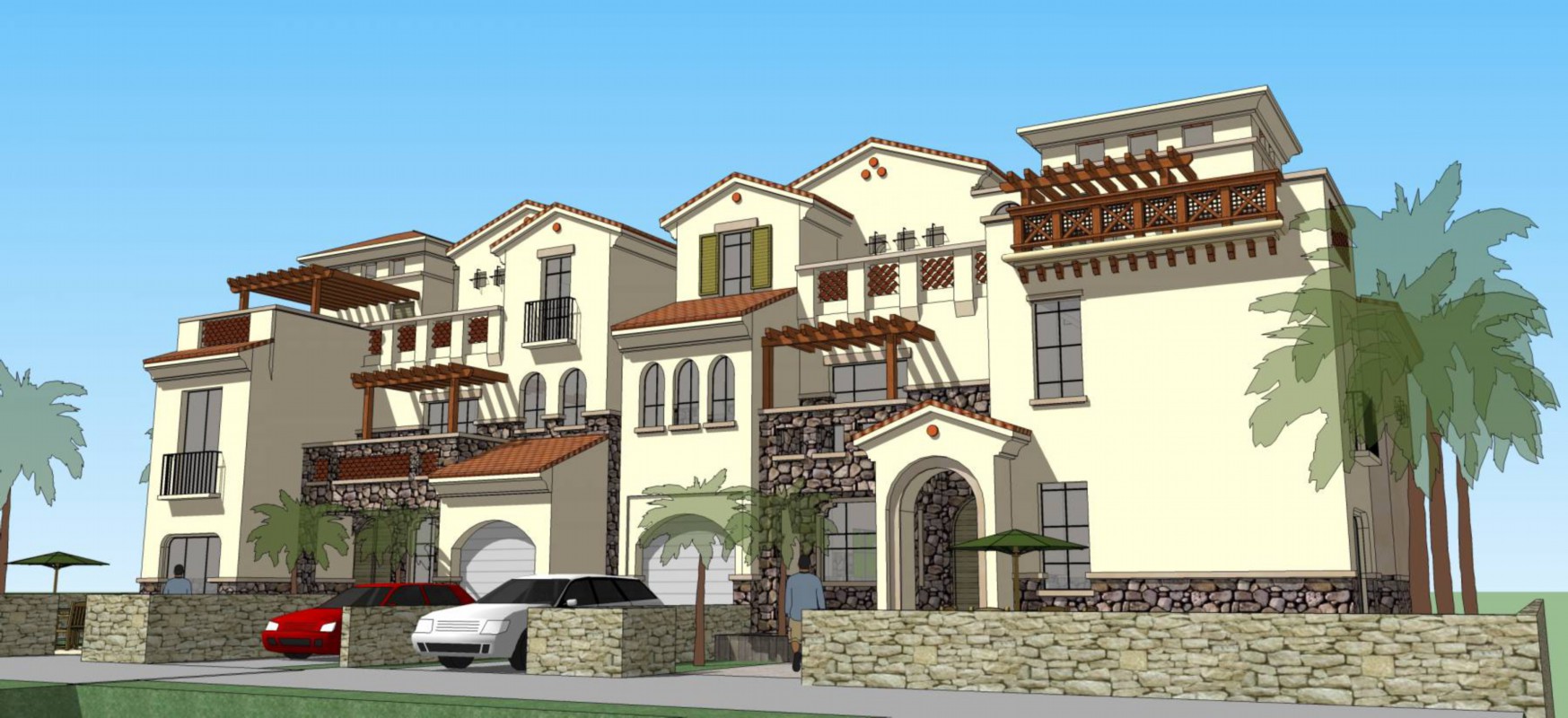
The Secret of the White Houses: More Than Just Paint
What’s more interesting is that traditional white houses weren’t painted with the modern latex paint we’re familiar with, but with a lime wash called cal. This natural coating is made by burning limestone and then adding water. Not only is it inexpensive with great coverage, but most importantly, it has natural antiseptic and disinfectant properties that help prevent insects, which was crucial in the past when sanitation standards were lower. Every year after the rainy season, families would repaint their exterior walls—a ritual that was both for beauty and for the cleaning and upkeep of the home, a traditional practice you might still see noted in some [real estate listings in Spain].
Beyond Andalusia
When people mention ‘pueblos blancos’ (white villages), Andalusia is undoubtedly the first place that comes to mind. Places like Ronda, Mijas, and Frigiliana are classic examples. But in reality, this architectural style is common in other parts of Spain too. Take the Balearic Islands, for instance, where the white houses of Ibiza and Formentera blend with the free-spirited island vibe to create a different kind of charm. You can even see stretches of white buildings along the coast in Sitges, Catalonia.
To make it clearer, I’ve put together a simple table comparing the pros and cons of this traditional architecture:
| Feature | Pros | Considerations |
|---|
| Insulation | Keeps interiors cool in summer, saving energy | Can feel a bit cold in northern regions or during winter |
| Maintenance Cost | Lime wash itself is inexpensive | Requires periodic repainting |
| Building Health | Natural, breathable material; prevents damp and mold | White walls show dirt easily, especially during the rainy season |
| Aesthetics | Iconic Mediterranean style, clean and bright | Glare can be intense in strong sunlight; often balanced with garden plants |
Spain’s white houses are far more than just a simple aesthetic choice to consider when [buying a house in Spain]; they are a culmination of climate, history, culture, and practical wisdom. Which white village is your favorite? I’m team Frigiliana, by the way, just kidding! Feel free to leave a comment below and share your thoughts! 😊
