Since moving to Spain, I’ve noticed that many locals and settled expats love living in suburban areas called ‘Urbanizaciones’. From the outside, they look like well-planned complexes of villas or apartments with beautiful surroundings. I’ve always been curious about what it’s really like to live there. So today, I’m starting this discussion to share what I’ve learned, including some insights on [how these Spanish communities are named], and I welcome anyone who lives in one to share their experiences!
An ‘Urbanización’ isn’t just a simple ‘residential complex.’ It’s more like a gated or semi-gated community, typically featuring detached villas, townhouses, or high-end apartments. One of the biggest draws is that they often come with shared amenities, such as swimming pools, tennis courts, children’s play areas, and even 24-hour security. It feels a bit like living in a fully-equipped resort.
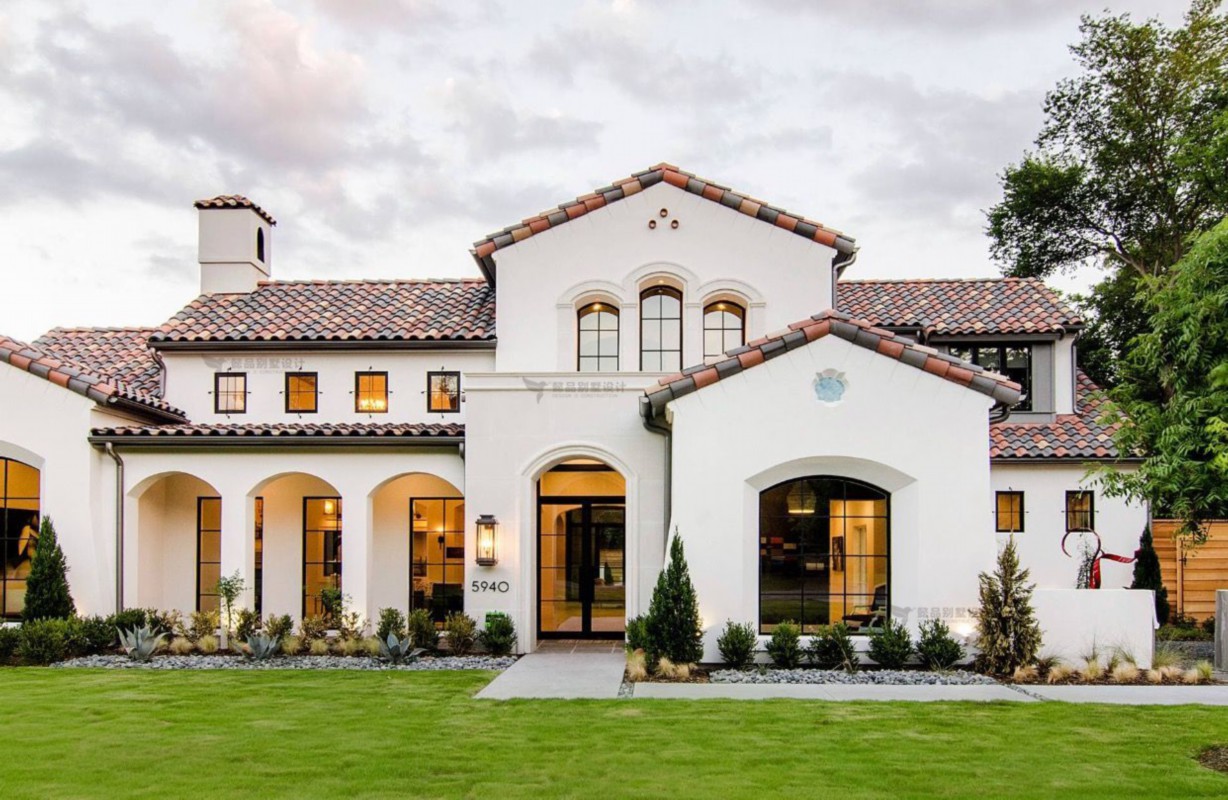
The Advantages of Living in an Urbanización
For me, the biggest benefits are the sense of security and privacy. This is especially true for families with children; the enclosed environment allows kids to play freely within the community without worrying much about traffic. In the summer, being able to just go downstairs and jump into the pool is an incredible feeling. Neighbors also tend to connect more easily by sharing these spaces, often fostering a good community spirit. Moreover, the environment in these areas, particularly in [luxury Spanish communities], is quiet with plenty of green space, which really elevates the quality of life.
The Downsides to Consider
But every paradise has its price. The most direct cost is the fees. In addition to the property cost itself, you have to pay a significant monthly community fee, known as gastos de comunidad. This money covers the maintenance of common areas like the pool, gardens, security, and more. It’s definitely not a small amount. Also, most urbanizaciones are located in more remote areas, making you almost entirely dependent on a car for daily errands. Trips to the supermarket or school runs require driving, which can be an adjustment for those used to urban conveniences, a common challenge when looking into [Spanish villa communities].
Here’s a rough guide to the costs to give you an idea:
| Item | Approximate Monthly Cost |
|---|
| Community Fees | €80 - €200+ |
| IBI (Property Tax) | Approx. €40 - €100 (monthly avg) |
| Waste Collection Fee | Included in IBI or billed separately |
| Private Garden/Pool Maint. | €50 - €150 |
An Urbanización offers a specific lifestyle with its own trade-offs. It exchanges urban convenience for tranquility, security, and more spacious living. What are your thoughts? Do you prefer the hustle and bustle of the city center, or do you long for the peace and quiet of the suburbs? Feel free to leave a comment and join the discussion!
