Lately, my friends and I have been house-hunting, and we’ve noticed that besides the familiar apartments and detached villas, there’s another very common housing type in Spain: the Chalet Pareado, which is essentially a ‘semi-detached house.’ As the name suggests, it consists of two houses sharing a common wall, like conjoined twins. This type of home is particularly prevalent in residential areas on the outskirts of cities, with its price and living experience falling somewhere between a detached house and a terraced house. Today, I’ll share my observations and what I’ve learned about them.
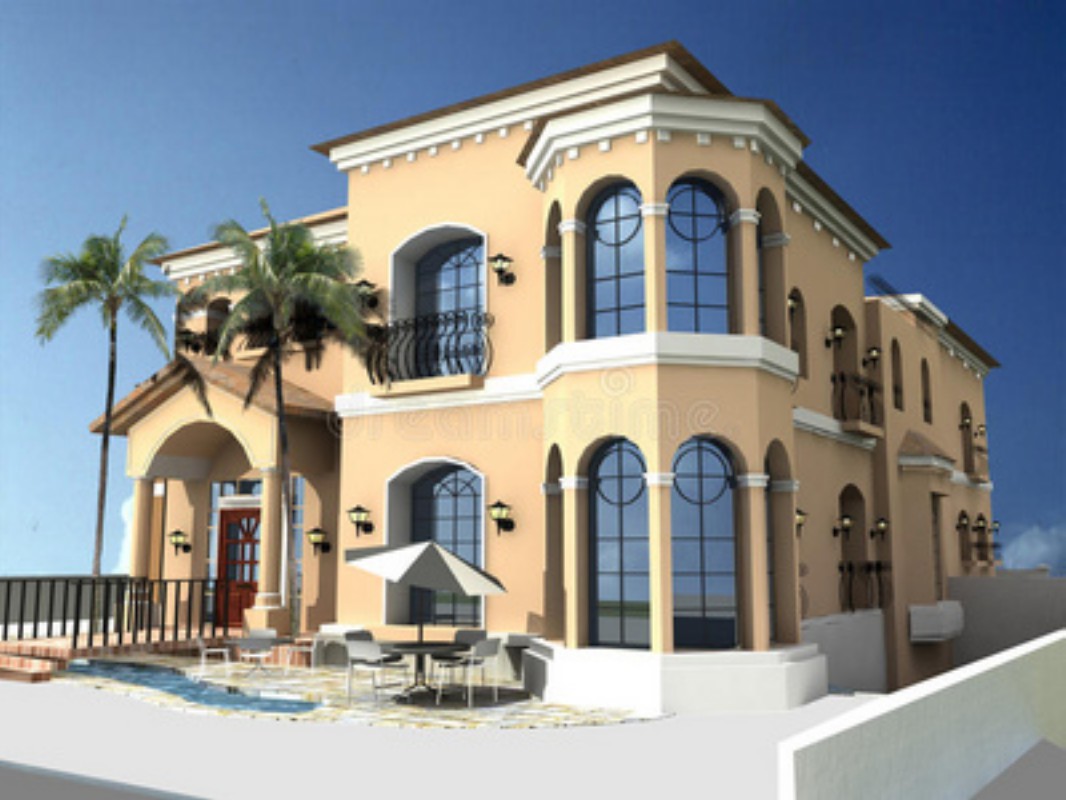
The biggest appeal of a Pareado is its sense of balance. It has elements of a detached villa, such as typically having windows on three sides and its own small garden for planting flowers or hosting a barbecue. At the same time, it’s more affordable than a fully detached villa, with relatively lower management costs and taxes. For many families, this represents an excellent compromise between budget and quality of life. You get more private space without bearing the high costs of a Chalet Pareado.
Pros and Cons of a Chalet Pareado
Everything has two sides. The core feature of a Pareado, which is also its biggest potential problem, comes from that shared wall. This means who your neighbor is and how effective the soundproofing of that wall is will directly determine half of your future quality of life. If you’re lucky enough to have neighbors with a regular schedule and a friendly demeanor, that’s a huge relief. But if you end up next to someone who loves late-night parties or has a drum set… well, the situation can get a bit tricky. That’s why when viewing this type of property, it’s crucial to pay close attention to the soundproofing materials and the year of construction, as the prices for Chalet Pareados in Spain can vary significantly.
What to Look for When Buying?
Besides the ‘soft’ factor of your neighbors, there are some ‘hard’ criteria to consider. For instance, the orientation of the house. Since it only gets light from three sides, if the shared wall blocks the best sunlight, the interior can be quite dark. Additionally, the privacy of the garden is important; check if it’s easily visible to neighbors or passersby. You can learn from others’ experience renovating in Spain. Finally, the community’s public facilities and management fees are a significant expense that you should inquire about beforehand. I’ve put together a simple comparison table to help you understand more intuitively:
| Property Type | Price Range | Privacy | Maintenance Cost |
|---|
| Detached House (Chalet Independiente) | High | High | High |
| Semi-Detached House (Chalet Pareado) | Medium | Medium | Medium |
| Terraced House (Chalet Adosado) | Low-Medium | Low | Low |
The Chalet Pareado is definitely a housing option worth considering in Spain, especially for families looking for more living space on a relatively limited budget. It offers a close-knit community feel while still preserving enough personal territory. The key is to spend enough time learning the story behind that shared wall before making a decision. Of course, buying a house sometimes comes down to luck. Have you ever lived in or looked at a Pareado? Feel free to share your experiences in the comments below!
