Recently, I was chatting with a friend about buying property in Spain. We weren’t talking about small city apartments, but rather those storybook castles and country estates. Many people’s first reaction is, ’You’d have to be incredibly wealthy!' but that’s not entirely the case. Due to its rich history, Spain has a vast number of ancient buildings, and some are even cheaper than apartments in major metropolitan areas. Of course, there’s a more complex financial story behind it.
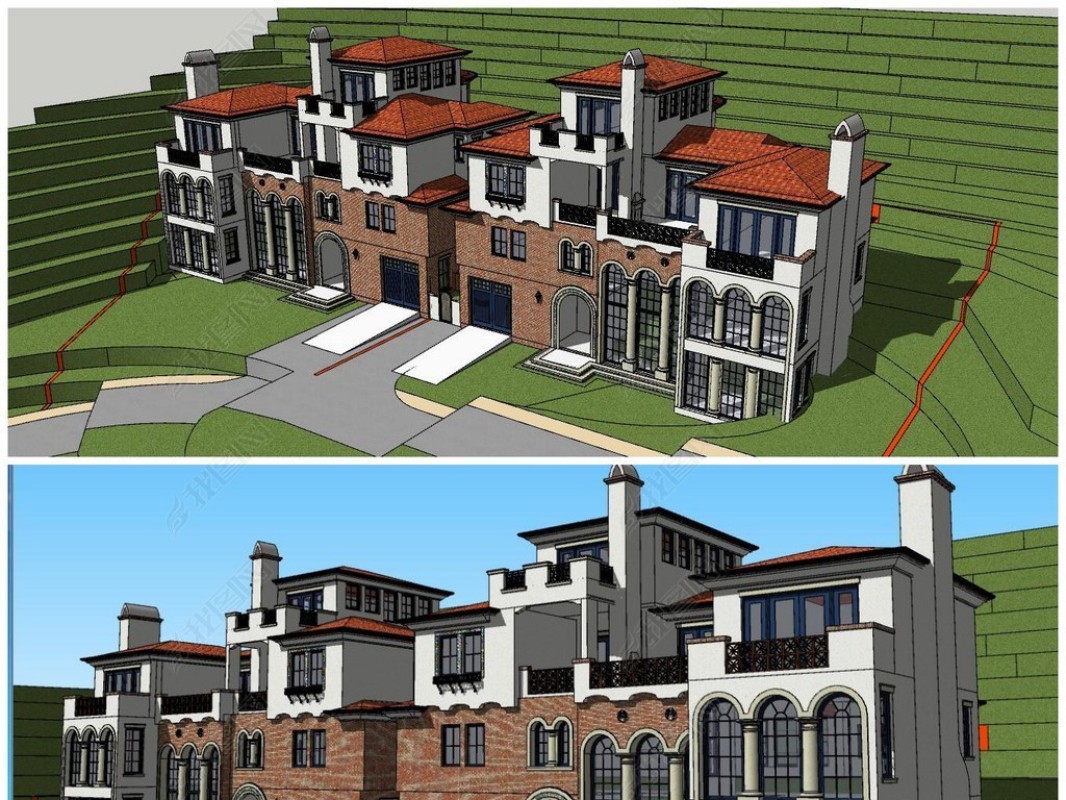
In Spain, these types of properties aren’t just simply called ‘manors.’ Different regions have different names, each representing a unique architectural style and historical background. For example, in Catalonia, you’ll find the Masía, typically a large stone farmhouse. In Andalusia, it’s the Cortijo, characterized by its large central courtyard. And in the northern region of Galicia, you have the Pazo, a grand granite house once owned by nobility. Each type embodies the local culture and history, which is where their true value lies.
Dream vs. Reality
Owning a castle or an estate sounds wonderful, but don’t be fooled by the seemingly low asking prices on some websites. The purchase is just the first step; the real major expenses come later. Most of these properties are historically protected buildings, which means your renovations and alterations will be strictly regulated. You’ll be required to use specific materials and hire certified artisans. The daily maintenance costs, from repairing the roof and tending the gardens to paying hefty property taxes, are certainly not insignificant.
Here is a simple comparison from [Spanish castles and villas] to give you a better idea:
| Property Type | Main Region | Characteristics | Maintenance Challenges |
|---|
| Masía | Catalonia | Stone structure, rustic style | Restrictions on modernizing the interior |
| Cortijo | Andalusia | Whitewashed walls, central courtyard | Summer insulation, outdated plumbing and electrical systems |
| Pazo | Galicia | Granite, often with towers/chapels | Wall maintenance due to humid climate |
| Castillo | Throughout Spain | Defensive structure, rich in history | Structural safety, numerous legal restrictions |
So, who is actually buying these properties? Besides a few ultra-wealthy individuals who purchase them as private residences, as this article on [Spanish castles and villas] mentions, many are converted into boutique hotels, wedding venues, wineries, or high-end B&Bs. This is a business model that revitalizes historical assets. For the average person interested in [Spanish castles and villas], renting an estate for a party or a weekend getaway to experience the ‘lord of the manor’ lifestyle might be a more realistic and smarter choice. I have a friend whose family converted an old country house into a B&B, and their business is doing quite well.
A Spanish castle or estate is indeed a fascinating option, representing not just a piece of real estate but a lifestyle and a historical legacy. But before you dive in, be sure to do your homework, especially regarding the subsequent maintenance costs and legal regulations. It is by no means a simple decision. Have you ever dreamed of owning your own little piece of heaven in Spain? Or have you visited any memorable castles or manors? Share your experiences!
