When I first arrived in Spain, living in an apartment seemed to be the norm. Over time, however, I noticed many friends moving into chalets—what we often refer to as detached or semi-detached houses. The lifestyle, with a small garden for summer barbecues and maybe even a pool, is certainly appealing. But after moving into a chalet, I discovered a gap between the dream and reality. Today, I’ll share the highs and lows of this experience.
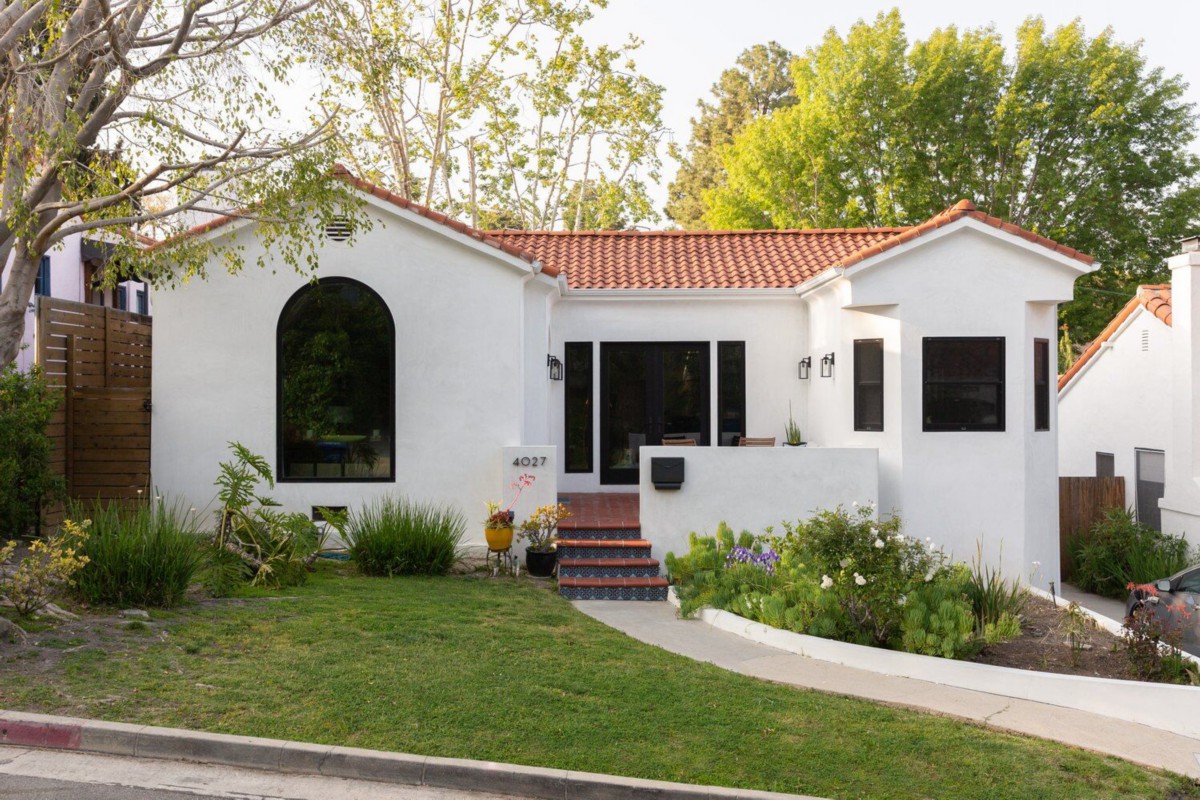
Common Types of Chalets
In Spain, the term ‘chalet’ actually covers several types of properties, with significant differences in price and privacy. It’s crucial to understand which type you’re looking at before you buy:
| Type | Spanish Term | Features |
|---|
| Terraced House | Chalet Adosado | A row of houses sharing both side walls. The most affordable option with a strong community feel. |
| Semi-detached House | Chalet Pareado | Two houses sharing one common wall, offering more independent space than an adosado. |
| Detached House | Chalet Independiente | A standalone house on its own plot of land. It offers the most privacy and is, of course, the most expensive. |
The Real Experience of Owning a Chalet
After living in a chalet for several years, my quality of life has definitely improved. The biggest benefits are the space and freedom. Kids can run around in the yard, and you can host parties without worrying about disturbing the neighbors upstairs or downstairs. During the pandemic, having our own garden to get some fresh air felt incredibly important. However, the downsides are just as apparent: the hassles and expenses. I used to think that living in a villa meant no community fees at all, but I later discovered that if a terraced house is located in an ‘Urbanización’ (a private residential estate), the community fees can be even higher than an apartment’s. This is because they cover the maintenance of shared pools, green areas, and roads.
Maintenance costs are another major expense. The lawn needs regular mowing, the pool requires cleaning and water changes, and the roof and exterior walls need upkeep over time. Unlike living in an apartment where the property management handles many of these tasks, here you either have to do everything yourself or pay someone to do it. For instance, the annual property tax (IBI) is typically higher than for an apartment of a similar size due to the larger plot of land. Security is also a concern, especially for a Chalet Independiente with no immediate neighbors, making a good security system and insurance particularly important.
A chalet offers a very pleasant and private lifestyle, much like what you might imagine for a Spanish sea view villa, but it’s more like a life investment that requires careful management. Before you decide to buy, I strongly recommend that you not only consider the purchase price but also have a clear estimate of the annual holding costs and the effort you’ll need to put in. I hope my experience can help those of you currently house-hunting, and I welcome everyone to share their own experiences of living in a chalet!
