I recently saw my neighbor replace their old wrought iron balcony railings with a very modern glass version, and it instantly upgraded the whole look of their house. It got me thinking. The railings on our balcony are the standard ones that came with the property, the style is a bit dated, and the paint is starting to peel in some places. So, I took this as an opportunity to look into the process of replacing balcony railings here in Spain, and I’m sharing what I found to help anyone else considering the same project.
A Comparison of Railing Materials
When choosing a railing, the first thing to consider is the material. Different materials vary greatly in style, durability, and price. I’ve put together a simple table to compare the three most common types on the market, drawing from this discussion on Spanish balcony railings:
| Material | Pros | Cons |
|---|
| Wrought Iron | Vintage look, artistic, sturdy | Heavy, needs regular painting to prevent rust |
| Aluminum | Lightweight, rust-proof, low maintenance | Simpler aesthetic, not as strong as wrought iron |
| Glass | Unobstructed view, modern and beautiful, easy to clean | Higher price, requires laminated safety glass |
Safety First: Regulations and Standards
Replacing a railing isn’t just about looks; safety is always the top priority. Spain’s Technical Building Code (CTE) has clear requirements for railings. Simply put, the minimum height for a railing is generally no less than 90 cm. If the vertical drop from a Spanish balcony exceeds 6 meters, the required railing height increases to at least 110 cm. Furthermore, the gaps between the balusters (the vertical bars) can’t be too wide—a 10 cm diameter sphere should not be able to pass through, which is mainly to prevent accidents involving children. When hiring someone for the installation, you must confirm that their proposal complies with CTE standards.
When it comes to the budget, things can get a bit more complex. The price varies depending on the material, design complexity, installation area, and your region. For example, labor costs here on the Costa del Sol might be different from those in Madrid. Generally, aluminum offers the best value for money, followed by wrought iron, while panoramic glass railings are usually the most expensive. It’s highly recommended to get quotes from several companies and carefully compare their material specifications, workmanship, and warranty terms.
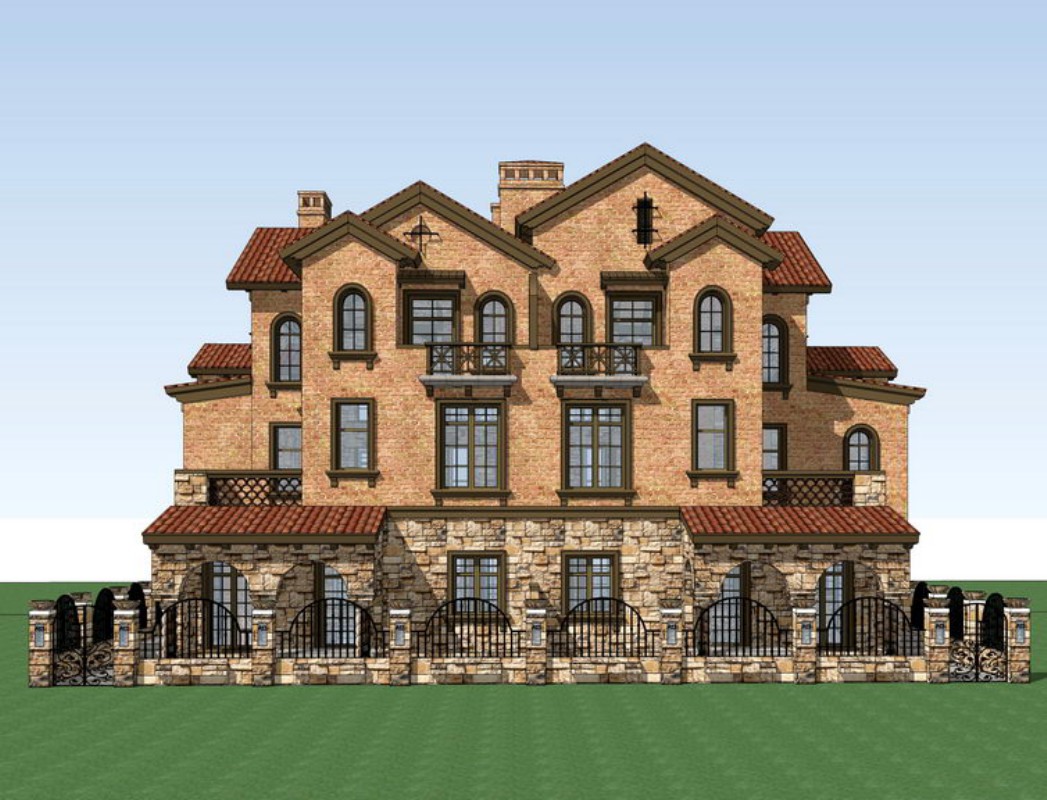
All in all, replacing a balcony railing is a significant project that requires balancing aesthetics with safety and regulations. Personally, I’m currently leaning towards a combination of an aluminum frame with glass panels, as it seems to offer both low maintenance and a modern look. What kind of railings do you have on your balconies? Did you encounter any pitfalls during the selection and installation process? Feel free to share your experiences and discuss in the comments below!
