Hello everyone, I’ve been a lurker here for a while. The interior part of our villa renovation has finally wrapped up. It was absolutely exhausting, but so rewarding. I’ve noticed many people on the forum are also interested in renovations, so I thought I’d start a thread to share the lessons I’ve learned and the pitfalls I encountered over the past few months. I hope this can help those who are just getting started.
Style Identity: It’s Not Just About the Mediterranean
When people think of Spain, the first thing that often comes to mind is the blue and white Mediterranean style. It’s a classic, for sure, but living in it long-term can start to feel a bit ‘touristy.’ In reality, Spanish interior design is very diverse. For example, there’s the warm and rustic country style, the clean-lined modern minimalist style, and even the Andalusian style with its Moorish elements, all of which are very distinctive. We ultimately chose a modern minimalist style mixed with some rustic, natural wood elements. This ensures the space feels open and airy while also having a cozy, homey feel. I recommend browsing local home decor magazines or websites, like El Mueble, to find inspiration and not limit yourself to a single style. There are also great forum discussions about Spanish interior styles right here.
The Crucial Choice of Materials
Building materials in Spain are quite different from what I was used to, and it’s essential to make good use of the local specialty materials. We struggled for a long time with the flooring choice. Our designer gave us a few options, which I’ve organized into a table for your reference:
| Material Type | Pros | Cons |
|---|
| Terracotta Tiles | Rustic look, breathable, cool in summer, warm in winter | Requires regular maintenance, relatively soft texture |
| Solid Wood Flooring | Comfortable underfoot, high-end feel | Expensive, susceptible to moisture and scratches |
| Microcement | Modern look, seamless, waterproof | High skill required for application, costly |
We ended up using terracotta tiles for the living room and hallway, and solid wood flooring for the bedrooms, and we’re quite happy with the result. Also, make sure to choose high-quality wall paint. The sun in southern Spain is incredibly strong, and poor-quality paint can fade within a few years.
Light and Space are the Soul of the Home
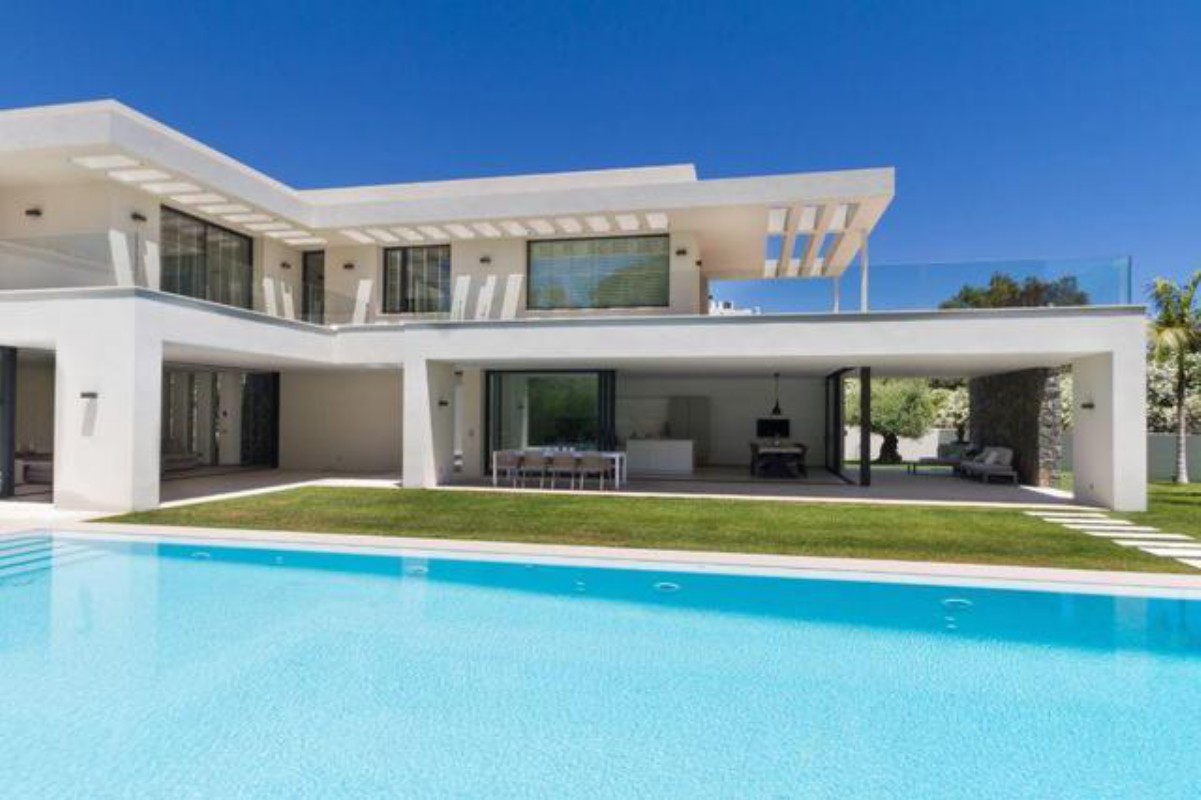
If there’s one thing Spain has in abundance, it’s sunlight. You must take full advantage of this during your renovation. Large floor-to-ceiling windows, light-colored walls, and pale furniture can all make a space feel bright and expansive. We replaced a relatively small window with a set of glass patio doors that lead directly to the yard, and it completely transformed the feel of the living room. Remember, natural light is the soul of a small villa! Don’t sacrifice it for the sake of extra decorative walls or cabinets.
Communication with the local team during the renovation process is so important. We thought verbal agreements with the foreman were enough, and we almost had a problem with the placement of the electrical outlets. Luckily, all changes were eventually confirmed in writing via email and WhatsApp. Make sure to have a professional review your contract, and ensure that the project timeline, payment schedule, and the specific brands and models of materials are all clearly listed. Don’t rely too much on verbal promises; a written agreement is your best protection. The whole process was exhausting, but seeing our home gradually transform into the place we dreamed of made it all worthwhile. I hope my experience is helpful to you all!
What great ideas or pitfalls have you encountered during your renovations? Feel free to share and discuss them below
!
