Lately, it seems more and more people on the forums are discussing buying a home, and many share an ultimate dream: owning their own chalet in Spain! A garden, space for barbecues, your own private world… just thinking about it sounds wonderful. However, as someone who has lived in a chalet for a few years, I want to talk about how this seemingly perfect life also comes with many practical issues to consider.
The Joys of Owning a Chalet
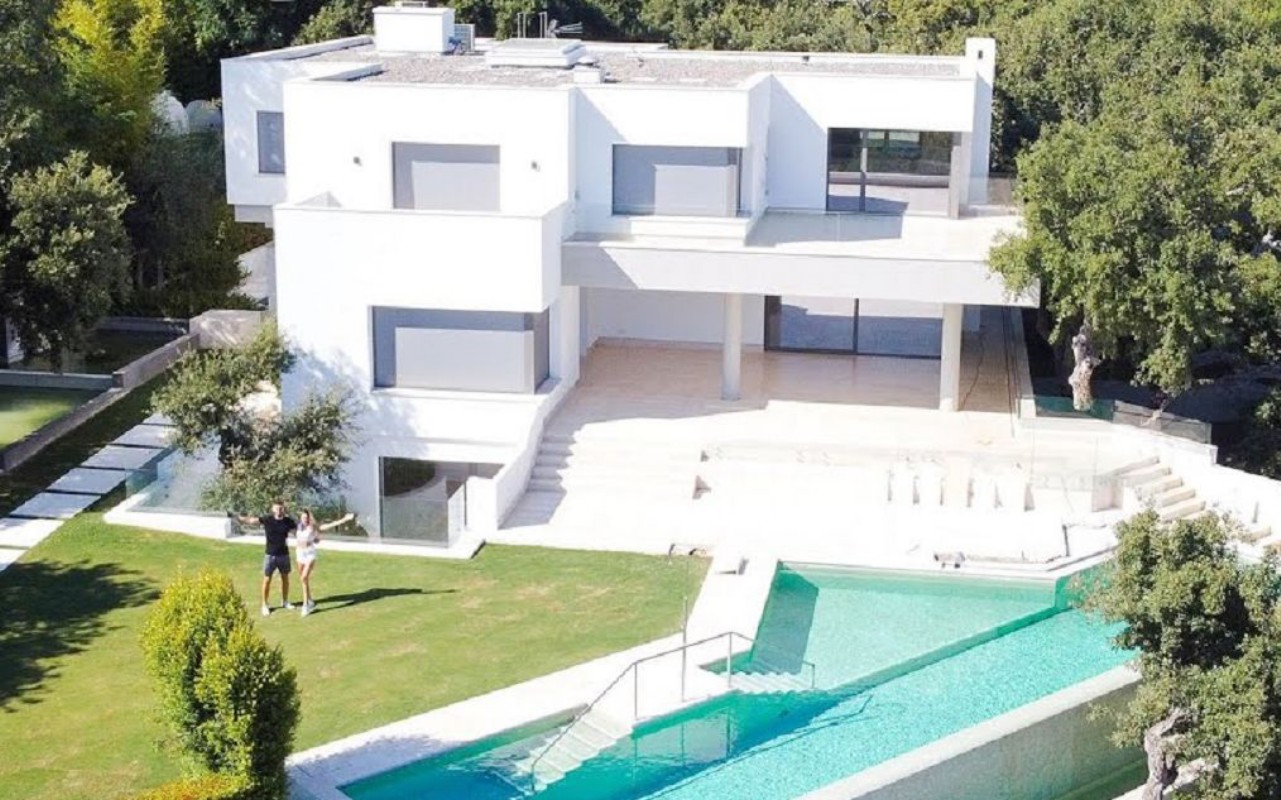
Let’s start with the pros, which are definitely something an apartment can’t compare to. The biggest benefits are the space and privacy. Kids can run wild in your own yard, and having friends over for a weekend Barbacoa is amazing. If you have a pool in the summer, the joy is multiplied. You don’t have to listen to noise from upstairs, nor worry about your own noise bothering the neighbors. This sense of freedom is very real. It feels like your whole pace of life slows down, bringing you closer to nature.
The Sweet Troubles
But there’s always another side to the coin. The maintenance costs and effort for a chalet are far greater than you might imagine. The garden needs regular weeding, watering, and pest control; the pool needs cleaning, water changes, and equipment maintenance; and you have to handle all the repairs for the house itself—thinking you can be a hands-off owner is simply not possible. Additionally, utility bills (water, electricity, gas) are usually much higher than in a piso (apartment), especially when you need heating in the winter. Security is also a major consideration, with many homeowners installing security cameras or alarm systems.
Regarding the types of chalets and their ownership costs, the differences can be significant. I’ve prepared a simple table to compare the three most common types; details like the design of garages in Spanish villas are a whole other topic, but here are the basics:
| Type | Community Fees | IBI | Maintenance Features |
|---|
| Adosado | Usually yes | Medium | Shared walls, smaller garden |
| Pareado | Sometimes | Medium-high | Shares one wall with a neighbor |
| Independiente | Usually none | High | Fully independent, highest cost |
Living in a chalet can indeed improve your quality of life, but it also means taking on more responsibility and expense to maintain the beautiful scenery of Spanish villas. It’s more of a lifestyle choice than a simple property upgrade. For those considering it, I strongly advise making a comprehensive decision based on your budget, family needs, and the amount of effort you’re willing to put in. What do you think is the biggest challenge of living in a chalet? Feel free to join the discussion!
