After living in Spain for a while, it’s hard not to long for a top-floor apartment with a large terrace. Picture this: sipping coffee on a sunny afternoon, tending to some plants, and hosting a weekend barbecue with friends—it sounds idyllic. But are these ‘sky garden villas’ as perfect as they seem? I’ve been house-hunting recently and chatted with friends who have lived in them, so I’m here to share some insights.
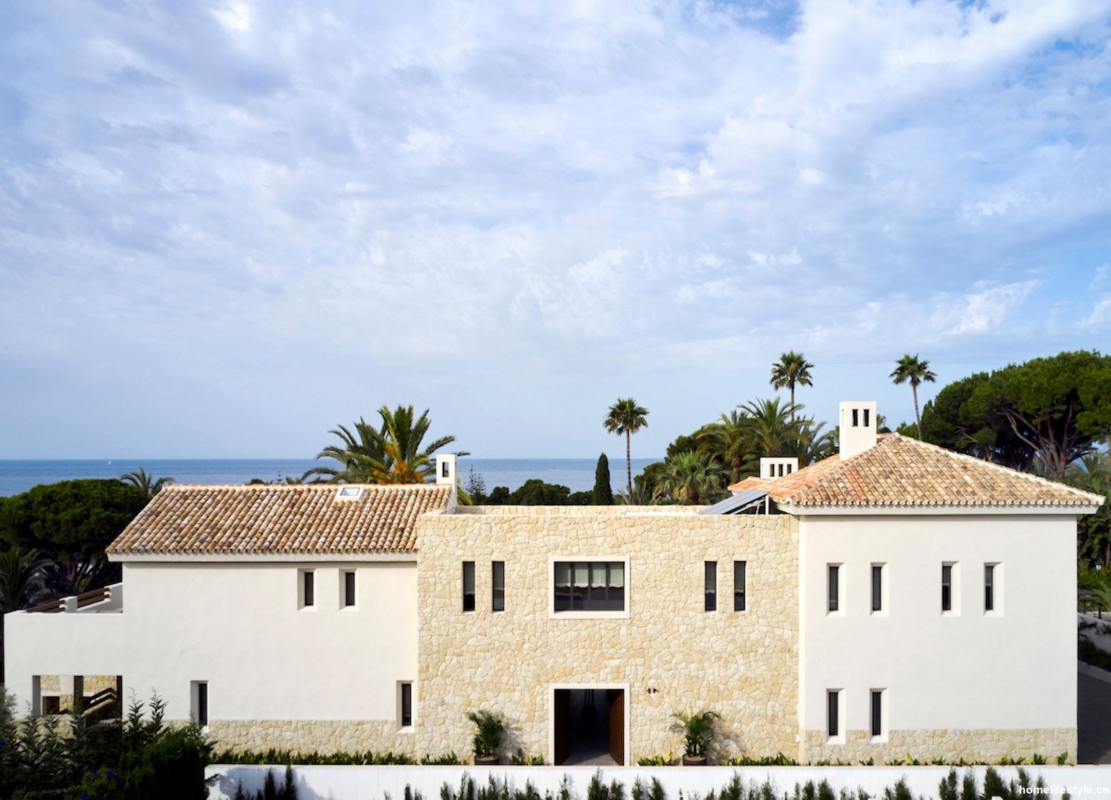
First, let’s be clear: when Spaniards talk about an ático, they don’t just mean any top-floor apartment. The key feature is that it typically comes with a private terrace much larger than the balconies of the floors below. These properties are especially popular in cities like Madrid and Barcelona, where apartment buildings are dense. Having your own outdoor space is a massive upgrade in quality of life.
The Pros and Cons of an Ático: Weighing Your Options
The Advantages are Obvious, but the Downsides Can Be Deal-Breakers
The pros, of course, include unbeatable natural light and views, as well as excellent privacy—no more enduring footsteps and noise from upstairs neighbors. The large terrace is your private sanctuary, which you can transform into a small garden, a relaxation area, or even an open-air gym.
But the downsides follow. The biggest headache is the extreme temperatures: scorching hot in the summer and freezing cold in the winter. This demands excellent insulation; otherwise, your utility bills will be staggering. Furthermore, the top floor is most vulnerable to leaks, especially in older buildings. After a heavy rain, you might have your downstairs neighbors knocking on your door—a stark contrast to the experience in a standalone Spanish Chalet. This is a point you really can’t overlook
!
I’ve organized some key points into a table for an easy comparison:
| Pros | Cons |
|---|
| Excellent light and views | Hot in summer, cold in winter; high energy consumption |
| Good privacy, no noise from above | More expensive, potentially higher community fees |
| Own private outdoor space | Prone to leakage issues |
| Ideal for barbecues, parties, gardening | Highly dependent on the elevator, inconvenient for moving |
So, if you decide to go for an ático, here are a few suggestions: prioritize newer buildings, as their construction materials and insulation technology are much better. When viewing a property, be sure to carefully inspect the ceiling and corners for any signs of water damage—it’s best to visit after a rainy day. Also, inquire about the community rules regarding terrace use, such as whether barbecues are allowed or if you can install an awning. It’s a lifestyle choice. For the pleasure of this ‘sky garden,’ you need to be prepared to invest more effort and money in maintenance. Have any of you lived in an ático? What was your experience like? Feel free to share in the comments!
