Recently on the forums, many people have been discussing the rural lifestyle in Spain, dreaming of having their own small estate, planting some olive trees, raising a few chickens, and having BBQs on weekends. The vehicle for this dream is often what we call a Spanish Finca. But is buying a Finca and becoming a carefree owner really as simple as it sounds, a question we also explored when discussing choosing a Spanish villa? Let’s dive into this topic today.
What Exactly is a Finca?
Many people think a Finca is just a villa in the countryside, but that’s not entirely accurate. In Spanish, ‘Finca’ refers to ‘a plot of land’ or ‘an estate’. The biggest distinction lies in the land’s classification, which mainly falls into two categories: Finca Rústica and Finca Urbana. These two are worlds apart, especially when it comes to building or renovating, and the potential pitfalls are numerous!
| Type | Primary Use | Building Restrictions |
|---|
| Finca Rústica | Agriculture, forestry, livestock | Very strict, new residential construction is generally not permitted |
| Finca Urbana | Residential, commercial | Fewer restrictions, subject to urban planning |
The Reality of Finca Living
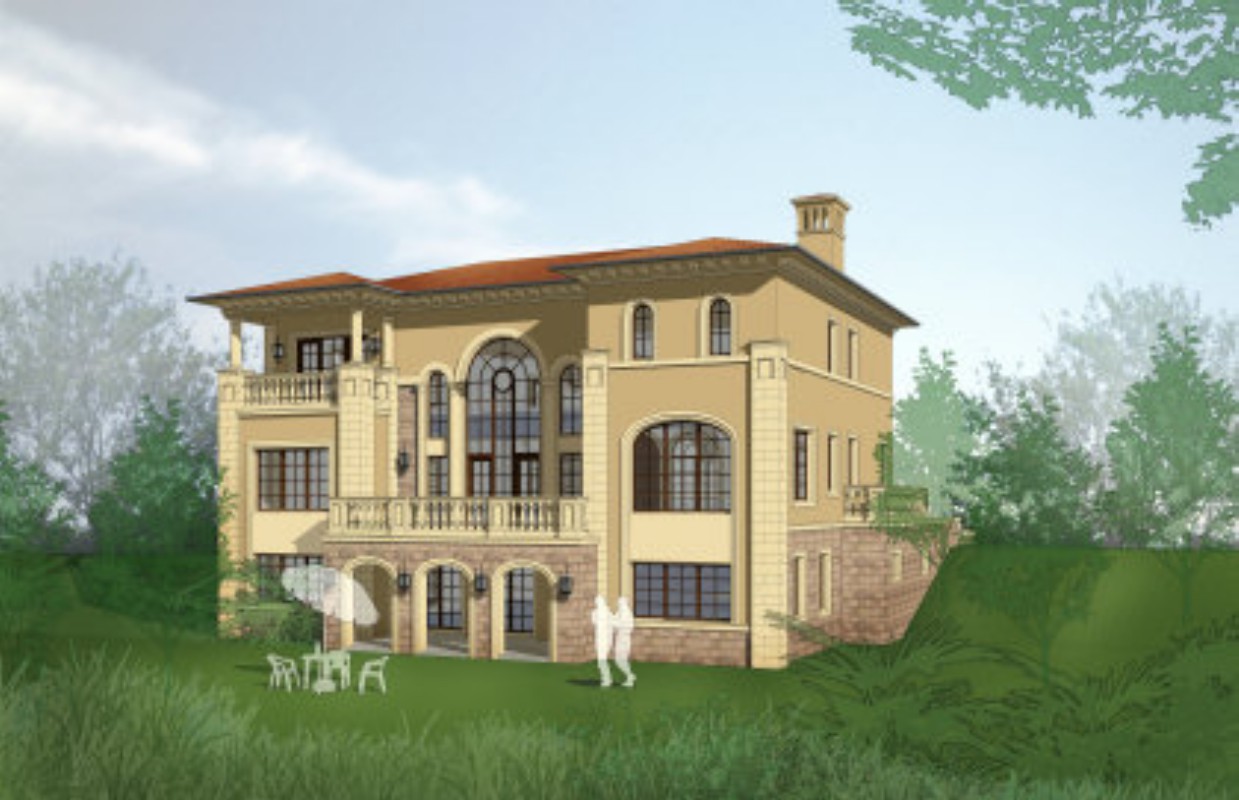
Living in a Finca can indeed be very pleasant—fresh air, ample space, and great privacy. But behind this idyllic picture lie real-world challenges. First, there are the maintenance costs. A large yard requires significant expense and effort just for mowing, gardening, and pool upkeep. Second is the distance. Most Fincas are some distance from the city center, meaning daily errands like grocery shopping, taking children to school, or going to the bank all require a car. This can lead to a sense of beautiful but profound isolation. Then there’s the infrastructure, like water, electricity, and internet. Some older Fincas may have issues with outdated wiring or poor signal.
Key Points to Consider When Buying a Finca
If you’re truly set on buying one, you need to go in with your eyes wide open. First, you must verify the land classification. Never fantasize about building a new villa on Rústica land; it’s highly likely to be illegal. Second, check the property’s title report—the Nota Simple—to see if there are any debts and if the title is clear. Third, you must confirm if the house has a Cédula de Habitabilidad (Certificate of Occupancy), especially for older houses on Rústica land. Many were originally ‘tool sheds’ or farm buildings, and without this certificate, living there is illegal, and you might not even be able to apply for utilities like water and electricity.
Owning a Spanish Finca is a wonderful dream, but turning that dream into reality requires thorough homework. It’s best suited for those who genuinely love nature, are handy, and can accept the inconveniences that come with it. I hope this sharing helps everyone! Are there any forum members already living in a Finca? Feel free to share your experiences!
