Lately, with the weather getting warmer, I’ve been constantly thinking about escaping to the mountains for some fresh air. My family and I have started considering a move to the suburbs, specifically targeting those residential areas surrounded by lush greenery. After some research, it seems the Chalet Pareado strikes a nice balance between budget and independence. So, I’m starting this thread to share what I’ve learned about forest villas, and I welcome anyone with experience to add their thoughts.
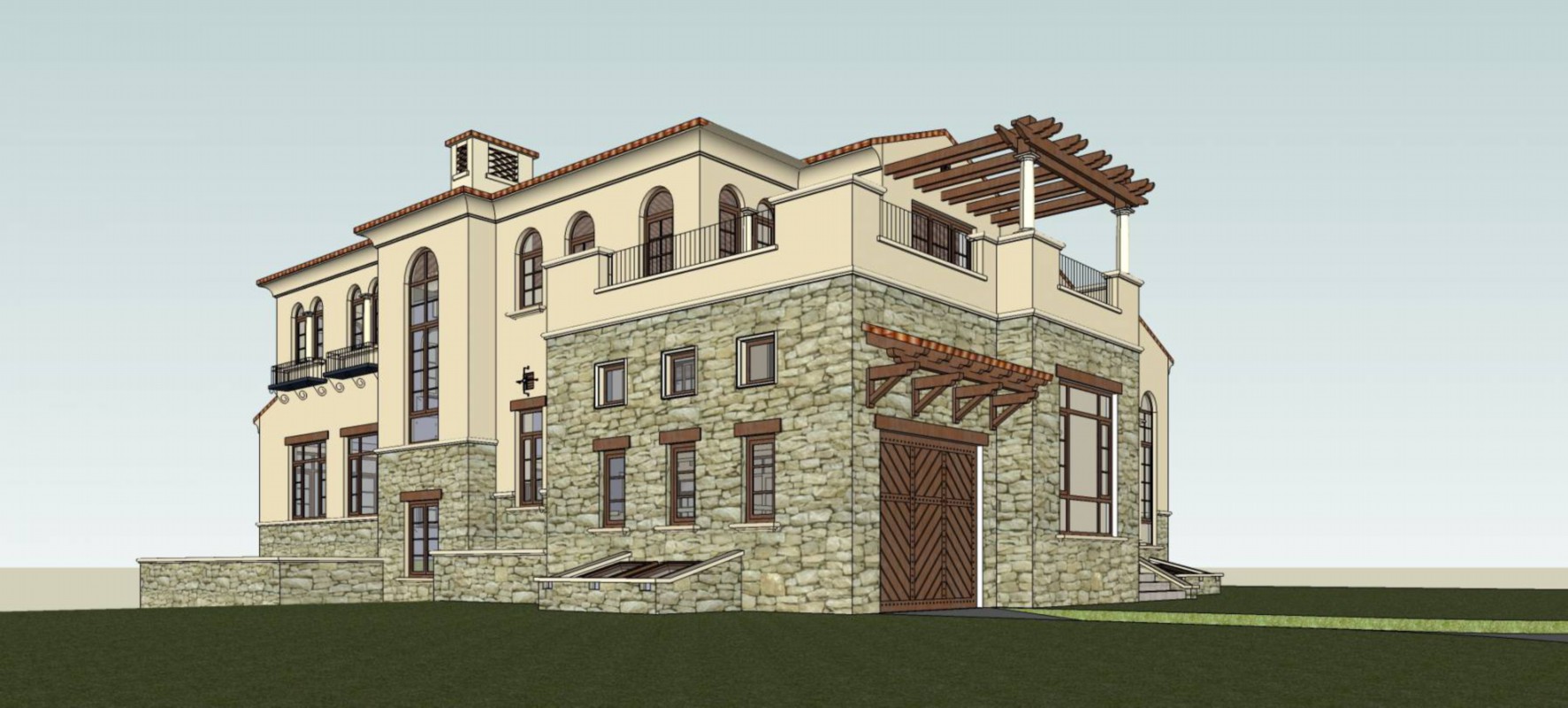
Many people might be a bit unclear about the different types of ‘Chalets’ in Spain. To put it simply, a Chalet Independiente is a detached house, not connected to any neighbors, offering the most privacy but also coming with the highest price tag. The common terraced house, or Adosado, is attached to neighbors on both sides. The Chalet Pareado, however, shares just one wall with a single neighbor, with the other side being your own garden or pathway. Compared to a terraced house, it usually offers better light and ventilation and gives more of a ‘private house and yard’ feel, yet its price is much more approachable than that of a fully detached house.
The Allure of Forest Living
Without a doubt, the biggest draw of living on the edge of a forest is the environment. Imagine waking up to the sound of birdsong every morning and opening your window to a view of endless green. On weekends, you can go hiking or mountain biking right from your doorstep, and the kids have much more space to run around. For example, areas like La Sierra in the mountains north of Madrid, or near Collserola Natural Park on the outskirts of Barcelona, are full of such residential communities. The kind of peace and comfort you find there is simply unattainable in a city center apartment building.
The Reality Check: Opportunities vs. Challenges
Behind the beautiful dream, there are always practical considerations. I’ve organized the main pros and cons into a table to make things clearer. One thing to pay special attention to is the reliance on cars. These residential areas usually have poor public transport, making it almost impossible to get around without a car. It’s best for a household to have two. Also, as the saying goes, ‘a big forest has all kinds of birds,’ and that includes all sorts of bugs, haha. Make sure you’re prepared for pest control.
| Pros | Cons |
|---|
| Beautiful surroundings, fresh air | Long commute, car-dependent |
| More living space, with a garden | More insects and small animals |
| Quiet community, better privacy | Amenities are far away |
| More affordable than the city center | High maintenance costs for house and garden |
Finally, let’s talk about maintenance and costs. Besides the annual property tax (IBI), many communities have community fees to maintain common areas like green spaces, swimming pools, etc. Your own garden will also need regular care, which can be quite a bit of work, especially during autumn when the leaves fall. Overall, a semi-detached forest villa offers a fantastic lifestyle, but it also requires you to invest more time and energy in its upkeep. I wonder if anyone on the forum already lives in such a house?
Do you think this lifestyle is worth it?
