We’re currently renovating our old house, and while most things are straightforward, figuring out the main door has been a real headache. It’s not just the face of your home; it’s the first line of defense for your security. This is especially true for a Chalet in the suburbs, where neighbors are further apart, and the peace of mind a sturdy door provides is priceless. After talking to friends and construction crews, I’ve learned there’s a lot to consider. So, I decided to start this thread to share what I’ve found, and I welcome everyone to add their own experiences.
Security First: Armored Doors
First, it’s important to clarify a key concept. In Spain, the mainstream high-security doors are called ‘puertas acorazadas’ (armored doors), which are different from what many might think of as a standard security door. The core difference lies in their internal structure. With an armored door, both the frame and the door leaf are made of steel, offering structural strength far superior to ordinary security doors that merely have a steel plate inside the leaf. In Spain, the security rating of an armored door is a crucial factor. For residential use, you should aim for at least Clase 3 or higher. If your budget allows, go directly for Clase 4, as it offers much stronger resistance against lock-picking and forced entry.
A Comparison of Common Brands
There is a wide variety of brands on the market, from Italian and French to local Spanish ones. I focused on a few with a good reputation:
| Brand | Country | Market Position | Key Features |
|---|
| Dierre | Italy | Mid-to-High End | Strong design, mature technology, wide range of models |
| Fichet | France | High-End | Top-tier security, patented lock cylinder technology, expensive |
| TESA | Spain | Mid-Range | Good value for money, well-known for locks, acquired by a Swedish group |
| RUIZ LÓPEZ | Spain | Mid-to-High End | Established local brand, solid workmanship, offers custom services |
Dierre and Fichet have the highest visibility in various building material markets; you could say they are the ‘Mercedes and BMW’ of the door world. TESA is more accessible, and many new apartments come with their locks as standard. RUIZ LÓPEZ is an established local Spanish brand, and a great one to check out if you value local craftsmanship and customization, similar to how you would research reputable Spanish villa developers for a new build.
Don’t Overlook Design and Materials
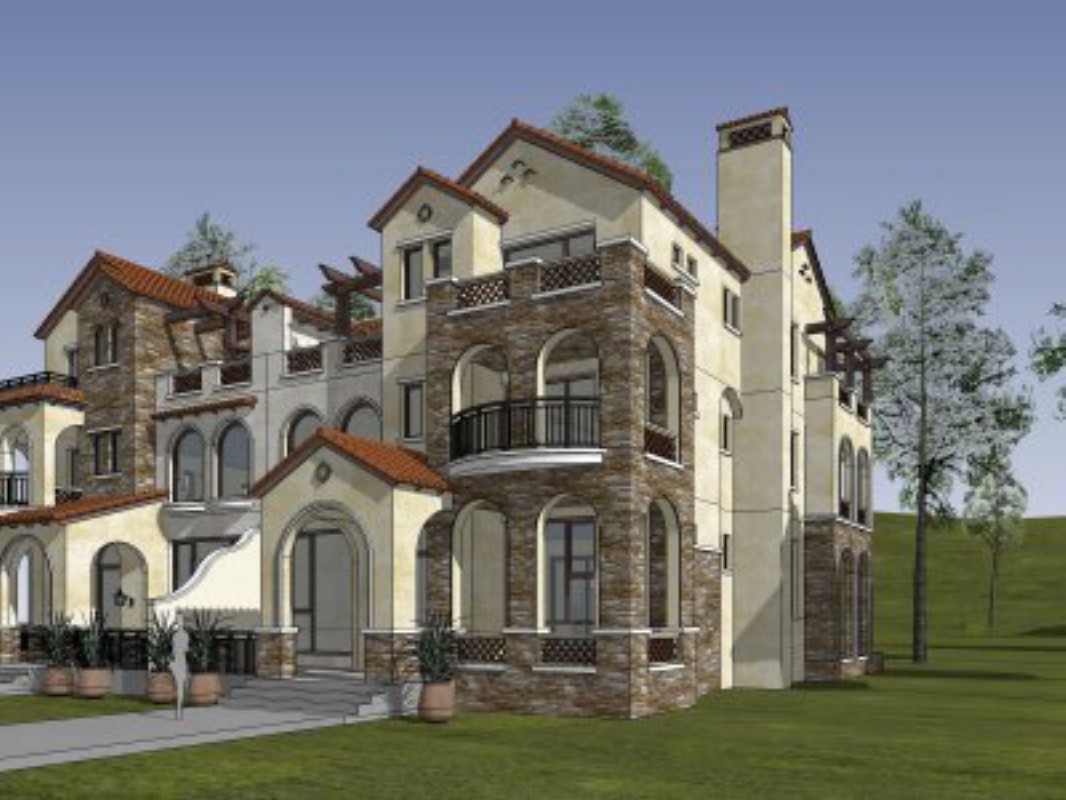
While security is paramount, the ‘curb appeal’ of your villa’s main door is also crucial. After all, nobody wants their home to look like a bank vault entrance, right? Nowadays, the exterior panels for armored doors come in a huge variety of options, from textured solid wood and waterproof PVC to contemporary aluminum panels. You can easily find a style that matches your villa’s architecture. Personally, I’m partial to dark wood panels with a rustic feel, as I think they pair beautifully with the Spanish sun and red-tiled walls.
Finally, let’s talk about budget and installation. A reliable, branded armored door, including materials and labor, will likely set you back somewhere in the €2,000-€4,000 range. For a top-tier model from a premium brand like Fichet, prices can easily exceed €10,000. Most importantly, make sure the installation is done by an officially certified or highly experienced professional
! No matter how good the door is, its security will be severely compromised if it’s installed with gaps or if the frame isn’t securely fixed. So, what brand of door do you all have at home? Any pitfalls to avoid or recommended installers you can share?
