Lately, more and more friends on the forum have been discussing immigration and settling down, with many setting their sights on Spain’s sunny coastline. Who wouldn’t want to open their window to the blue Mediterranean Sea every day? My family and I also considered buying a small villa by the sea and have spent a lot of time looking at different places, from the outskirts of Barcelona to the southern Costa del Sol. We’ve gathered some insights and learned some lessons, so I’m starting this thread to share them, hoping it can help others with the same idea.
Dream vs. Reality: The Pros and Cons of a Beach Villa
Imagine sipping Sangría on your own terrace, watching the sunset dip below the horizon, and being able to walk to the beach for a swim anytime in the summer… This lifestyle is indeed the ultimate dream for many. Especially in places like Malaga and Alicante, the climate is pleasant, and the pace of life is slow and very relaxed. But the reality is that a beach villa also comes with its challenges. For instance, there’s the noise and congestion from the influx of summer tourists, the quietness and decline of businesses in the winter, and the corrosion of the house from the high humidity and salt in the sea breeze—the maintenance costs can be quite high.
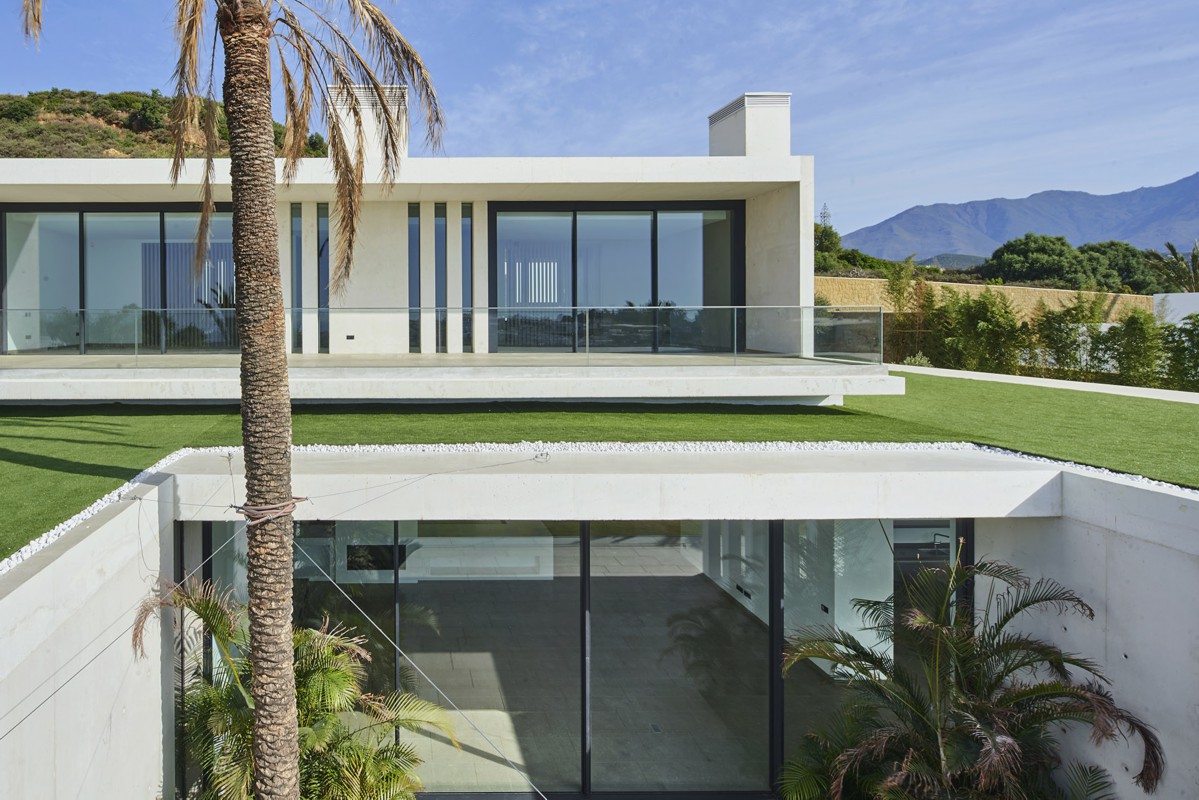
How to Choose a Popular Area?
Which area you choose largely depends on your budget and lifestyle needs. I’ve briefly summarized the characteristics of a few popular areas for your reference:
- Around Barcelona: The advantages are its proximity to the big city, convenient living, excellent amenities, and rich cultural life. The downside is…
expensive, very expensive! Plus, good properties are snapped up as soon as they hit the market, making it very competitive.
- Valencia and the Costa Blanca: Places like Jávea, Dénia, and Altea are picturesque, and property prices are much more affordable compared to Barcelona. The expat community here is well-established, making life convenient, but job opportunities are relatively scarce, making it more suitable for retirees or remote workers.
- Costa del Sol: Centered around Malaga, this area includes Marbella, Estepona, etc. It’s a traditional holiday area for the wealthy, with plenty of sunshine and numerous golf courses. The Spanish villa prices here span a wide range, from a few hundred thousand euros to mansions worth tens of millions. The drawback is the overwhelming number of tourists in the summer, and some areas are already overdeveloped.
When viewing properties, besides the price, be sure to pay attention to IBI (property tax), community fees, and utility bills (water, electricity, gas). Maintenance costs in coastal areas are usually higher than inland, especially for villas with pools and gardens. I’ve created a table with some key factors to consider, making it easier for you to compare:
| Consideration | Pros | Cons |
|---|
| Location | Close to the beach, beautiful scenery | Noisy in summer, deserted in winter |
| Property Maintenance | Potentially higher appreciation value | Salt corrosion, high humidity, high maintenance costs |
| Cost of Living | Enjoy a relaxed lifestyle | Prices can be higher in tourist areas |
| Community Environment | International community, easy to integrate | Neighborly relationships may be distant due to tourist turnover |
Buying a beach villa in Spain can be a dream come true, but it can also be a ‘sweet burden’ that requires a continuous investment of money and effort. I recommend that before making a decision, you first rent a place in your target city for a few months to experience life in different seasons. Especially during the off-season, see if you can adapt to the quiet, sometimes even lonely, atmosphere. I hope everyone finds their dream home! And other experienced friends are welcome to add their thoughts!
