Hello everyone! I’ve been a lurker here for a while. We’ve finally completed the renovation of our villa in the suburbs of Valencia, and it’s been quite a journey. I noticed there aren’t many threads on this topic, so I thought I’d get the ball rolling by sharing my experience and some tips. Hopefully, this can help others with similar plans.
1. Defining Your Budget and Design Style
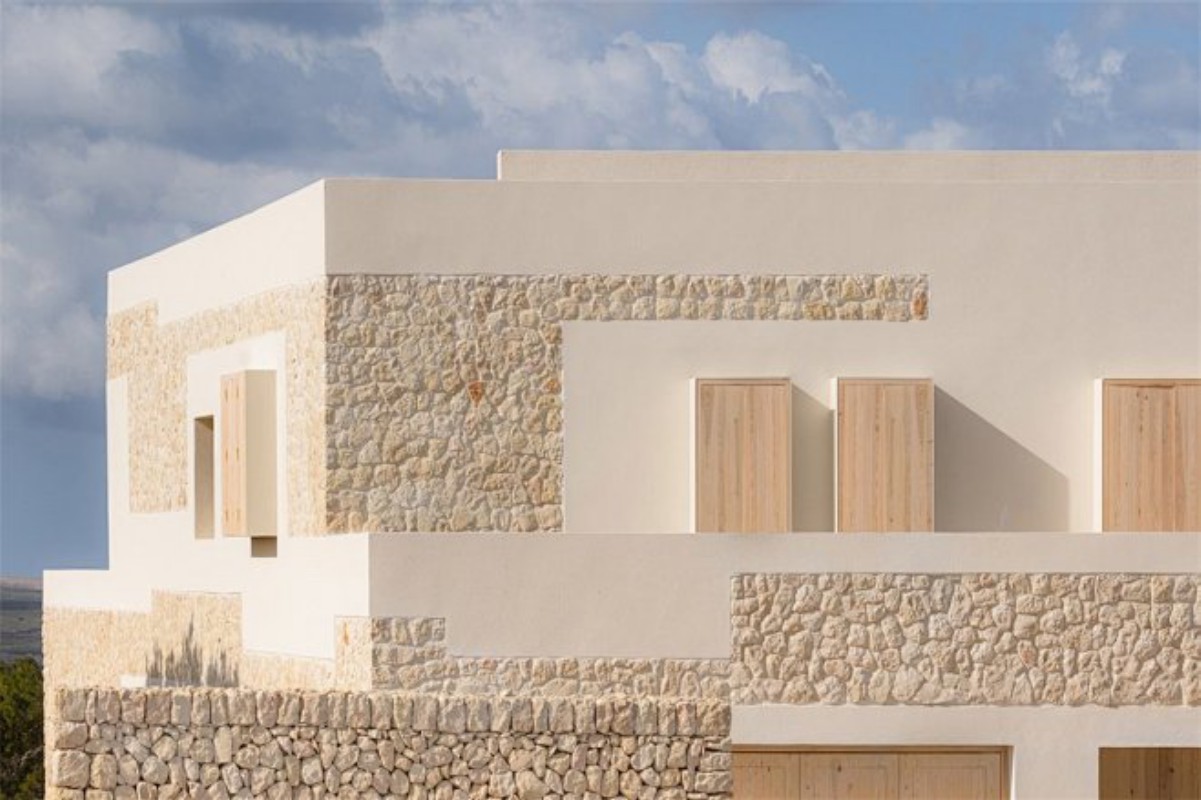
The first and most crucial step is to set your budget. Labor costs in Spain are not cheap, so make sure to leave plenty of wiggle room in your total budget. I recommend adding at least 15%-20% to your initial estimate as a contingency fund, as unexpected expenses always pop up during construction. As for the design style, we went back and forth for a long time before settling on a modern, minimalist Mediterranean style—white walls, natural wood furniture, and some terracotta elements. It retains a local feel while being timeless. I suggest browsing Pinterest or local Spanish home decor magazines for inspiration. Save pictures of what you like; it makes communicating with your designer or construction crew much more straightforward.
2. Finding a Reliable Construction Team
Finding a construction crew is definitely the most stressful part of the entire renovation process. Whatever you do, don’t just go for the cheapest option! We found our team through a friend’s recommendation after comparing several highly-rated companies on Google Maps, and ended up choosing a team of experienced local craftsmen. The key is to verify that they have a legitimate business license and insurance. Also, you absolutely must sign a formal contract that clearly outlines the project timeline, payment schedule, material brands, and warranty terms. Before signing, it’s best to have a knowledgeable friend or a paid third-party supervisor review it to avoid potential pitfalls.
Sourcing Materials
For materials, Spain has large chain stores like Leroy Merlin and Brico Depôt, where prices are transparent, and they’re great for picking out main materials like tiles, flooring, and bathroom fixtures yourself. But for certain things, like custom cabinets or special-sized doors and windows—items also common in specialized projects like a log cabin renovation—it’s more convenient to have the construction team order from their regular suppliers. They can often get a discount, and the measurements will be more accurate. We had our team handle the kitchen cabinets, and they did a great job, saving us a lot of stress.
3. Communication and Supervision During Construction
Even with a contract, communication during construction is absolutely vital. We made it a point to visit the site 2-3 times a week to check on progress and quality. If you spot an issue, like the routing of pipes or the placement of electrical outlets, bring it up immediately, take photos for your records, and confirm the revised plan with the foreman. Don’t be shy about it—it’s your home. A little extra effort now will save you a lot of trouble later. Below is a simple budget allocation table I’ve put together as a reference. Of course, this is just a rough guide, and the actual costs will vary significantly based on your region and material choices:
| Item | Budget Allocation |
|---|
| Permits & Design Fees | 5% - 10% |
| Demolition & Structural Work | 10% - 15% |
| Plumbing & Electrical | 15% - 20% |
| Walls, Flooring & Ceilings | 20% - 25% |
| Doors, Windows & Carpentry | 15% - 20% |
| Bathroom & Kitchen Fixtures | 10% - 15% |
| Painting & Miscellaneous | 5% |
Renovating a house in Spain is a major undertaking. It requires thorough budget and time planning, as well as finding trustworthy professionals. Although the process was challenging, the sense of accomplishment from seeing an old house transform into our dream home is priceless. I hope my sharing has been a little helpful, and I welcome anyone who is currently renovating or has experience to share their thoughts in the discussion below!
