I’ve been house-hunting recently, both for myself and for friends, and I’ve noticed there’s a lot of confusion about the different types of properties in Spain. So today, I wanted to start a discussion about my personal favorite: the classic Spanish detached villa, commonly known as a Chalet Clásico.
What Exactly is a Chalet Clásico?
When many people hear ‘villa,’ they often picture modern, minimalist ‘boxes.’ However, the classic Spanish chalet is a completely different concept. These homes often have decades, or even centuries, of history, exuding a charm that has deepened over time. Key features include sloping terracotta tile roofs, exterior walls adorned with hand-painted tiles (azulejos), wrought-iron window grilles and balconies, and a courtyard filled with flowers and plants. This type of house is more than just a living space; it’s a piece of art that embodies the warmth and history of southern Spain.
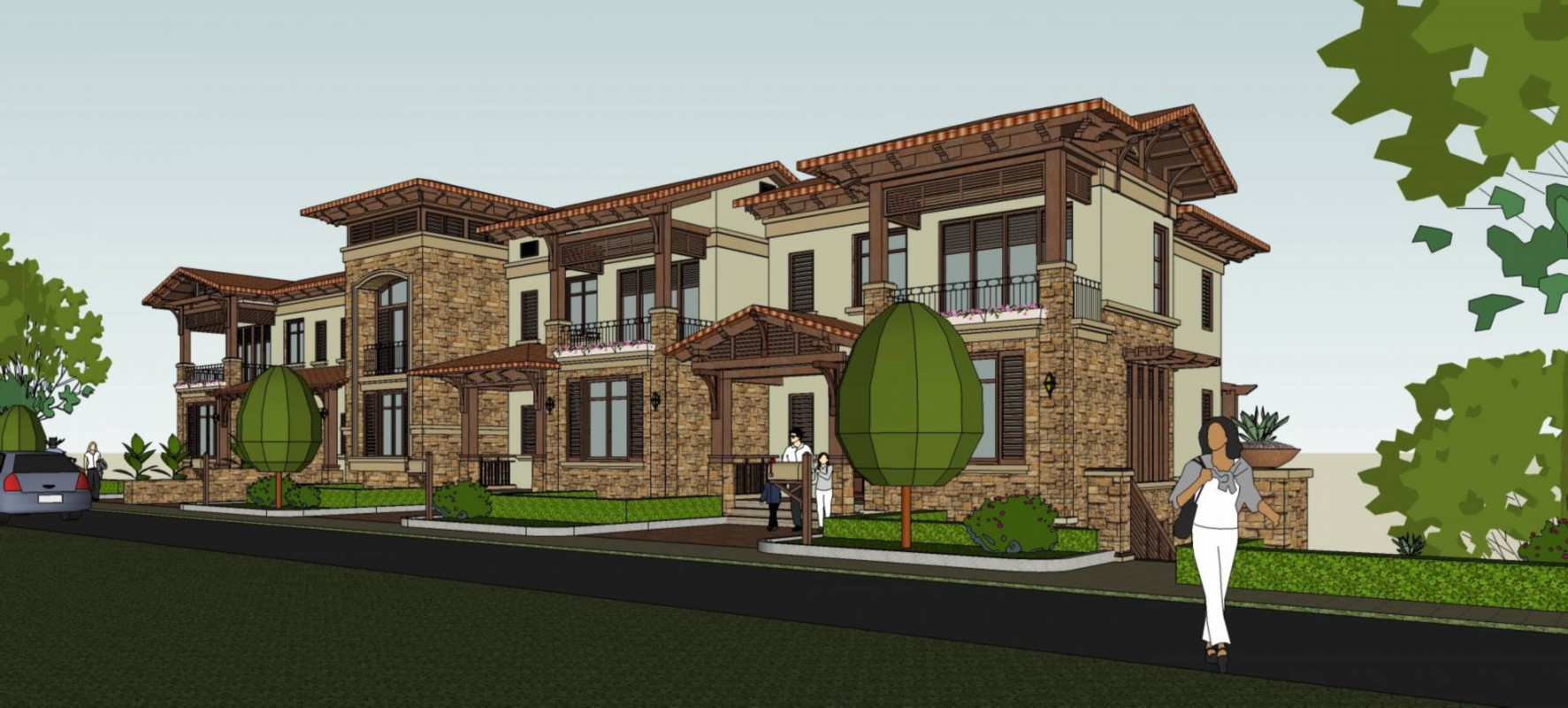
Styles and Regional Distribution
The styles of classic Spanish villas are diverse and closely tied to their geographical location. For example, in the Andalusia region, whitewashed walls are common to reflect the intense sun and keep interiors cool. In the north, such as in Galicia or the Basque Country, stone structures are more prevalent, and roof pitches are steeper to handle the rainy climate. My personal favorite is the style found along the Mediterranean coast, especially in the Valencia and Murcia regions. They feature bright colors, and their courtyards often have orange or lemon trees, creating a vibrant, lively atmosphere.
| Region | Main Architectural Style | Characteristics |
|---|
| Andalusia | Whitewashed walls, Moorish-style courtyards | Sun protection, internal patios, tilework (azulejos) |
| Catalonia | Modernisme, rustic stone houses (Masias) | Artistic, sturdy construction, rich history |
| Northern Spain | Stone structures, dark wood | Adapted for rainy climates, robust style |
| Mediterranean Coast | Bright colors, terracotta tiles | Gardens, fruit trees, strong holiday feel |
Living in a house like this is an unparalleled experience. In the summer, you can sip a cold drink in your own courtyard, enjoying the scent of flowers. In the winter, a fire in the fireplace makes the whole house feel cozy and warm. The neighborly relationships are often very friendly, with people sharing fruit grown in their own gardens. Of course, an older house also means more maintenance, like checking for roof leaks and tending to the garden, but in my view, these are labors of love. This kind of Spanish villa represents a more authentic, locally-integrated way of life, not just owning a piece of property. What are your thoughts on these classic villas? I’d love to hear them!
