I’ve just settled down near Málaga, having bought a Chalet Adosado (a semi-detached house) with a small yard. The house’s structure is quite good, but the exterior looks a bit dated. It’s covered in that standard white paint, and in some spots, it’s peeling and stained, not quite matching some of the great villa decoration styles I’ve seen. I’m thinking of redoing it to give our new home a fresh look. I’ve been doing some research lately and found that there’s a lot more to Spanish villa exteriors than just a simple coat of paint. I wanted to share what I’ve learned and also hear your suggestions.
Common Spanish Villa Exterior Materials
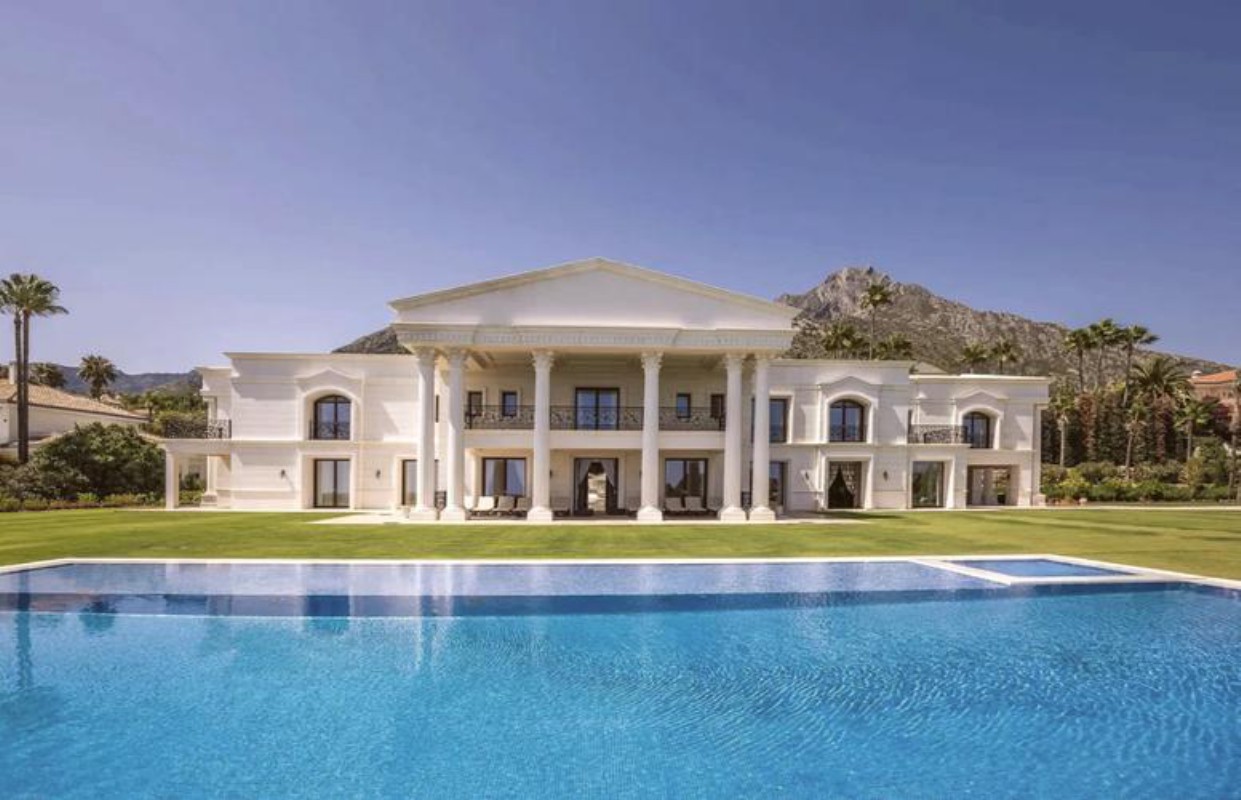
The most classic and common choice is, of course, the white facade, especially famous in the white villages (pueblos blancos) of Andalusia, which look stunning against the blue sky. This is typically achieved with a material called stucco (estuco), which is a type of cement plaster. Its advantages are a relatively low cost and quick application, and the classic white look truly fits the Mediterranean aesthetic. However, the downside is quite clear: it gets dirty easily, especially in areas with a lot of rain or dust. You might need to repaint it every 3-5 years, making maintenance a bit of a hassle.
Another option I personally love is natural stone finishing. It’s very common in northern Spain and some rural areas. Using irregularly shaped stones to build up walls or corners gives a fantastic, textured look with a rustic, vintage feel. The great thing about stone is that it’s incredibly durable, requires almost no maintenance, and provides excellent thermal and sound insulation. Of course, it’s not going to be cheap. Both material and labor costs are significantly higher than painting. If you were to cover the entire house in stone, the budget would skyrocket.
Then there’s exposed red or terracotta brick, often seen on older buildings in Madrid and the Castile region. This style has a strong historical feel, and the color and texture of the bricks themselves are decorative. One important thing to note is that waterproofing for brick walls must be done properly, otherwise they can be prone to moisture damage and weathering over time. Nowadays, many people choose to use brick only on certain parts of the house, like around window frames, on a porch, or as an accent wall, combining it with other materials for a great effect.
A Simple Comparison of Different Materials
To make it easier to see the differences, I’ve created a simple table comparing the pros and cons of these main materials. Keep in mind this is just a general overview; the actual price and final look will depend heavily on the quality of materials and the workmanship.
| Material Type | Pros | Cons | Estimated Maintenance Cycle |
|---|
| Stucco (Estuco) | Low cost, classic style | Not stain-resistant, prone to cracking | Requires repainting every 3-5 years |
| Natural Stone (Piedra Natural) | Extremely durable, good insulation, virtually no maintenance | High cost, complex installation | Virtually permanent |
| Exposed Brick (Ladrillo Visto) | Unique style, historical character | Requires good waterproofing, can be difficult to clean | Periodic inspection needed |
So, how have you all decorated your homes? Do you have any recommendations for construction teams or material brands? Or any other great ideas I might have missed? Let’s discuss!
