When I first came to Spain, every time I took a train or a road trip, I’d see beautiful houses scattered across the fields and mountains and think, ‘Wow, the Spanish countryside is all villas!’ It seemed like every family lived in a large house with a yard, enjoying such a relaxed life. However, after living in a small rural town for a while, I realized this impression was a bit one-sided. Today, as an ordinary resident, I’d like to share my perspective on housing in rural Spain.
Is It Really All Villas?
First off, it’s true that detached or semi-detached villas are very common in the countryside, especially in the satellite towns around major cities and in newer rural developments. These homes are typically called Chalet Adosado (semi-detached) or Chalet Individual (detached), and most have their own small gardens, terraces, or even swimming pools. But besides these, in the historic centers of old towns, you’re more likely to find multi-story apartment buildings or old terraced houses. These older buildings might look rustic on the outside but could be modernized internally, or they might still retain their centuries-old layout, offering a unique charm.
So, the idea that ‘the countryside is all villas’ isn’t entirely accurate. More precisely, rural areas offer a wider variety of housing options with private space and land. Unlike in big cities, where a Piso (apartment) is often the only choice.
Rural Property Prices and Cost of Living
When it comes to property prices, which is what most people are curious about, the difference compared to central Madrid or Barcelona is night and day. Of course, it also depends heavily on the specific location. I’ve put together a rough price range for your reference:
| Area Type | Property Type | Approximate Price Range |
|---|
| Satellite towns near major cities | Three-bedroom semi-detached Chalet | €200,000 - €400,000+ |
| Remote inland towns | Old house needing renovation | €30,000 - €100,000 |
| Coastal resort/rural areas | Detached Chalet with a pool | €300,000 - €800,000+ |
Besides lower property prices, the cost of goods, property taxes (IBI), and even a daily cup of coffee are significantly cheaper than in big cities. But the downsides are also clear: fewer job opportunities, limited public transport, and a heavy reliance on a private car. Moreover, if you’re used to the convenience of having everything within a 5-minute radius, you might find life in a Finca Rustica a bit isolating and inconvenient.
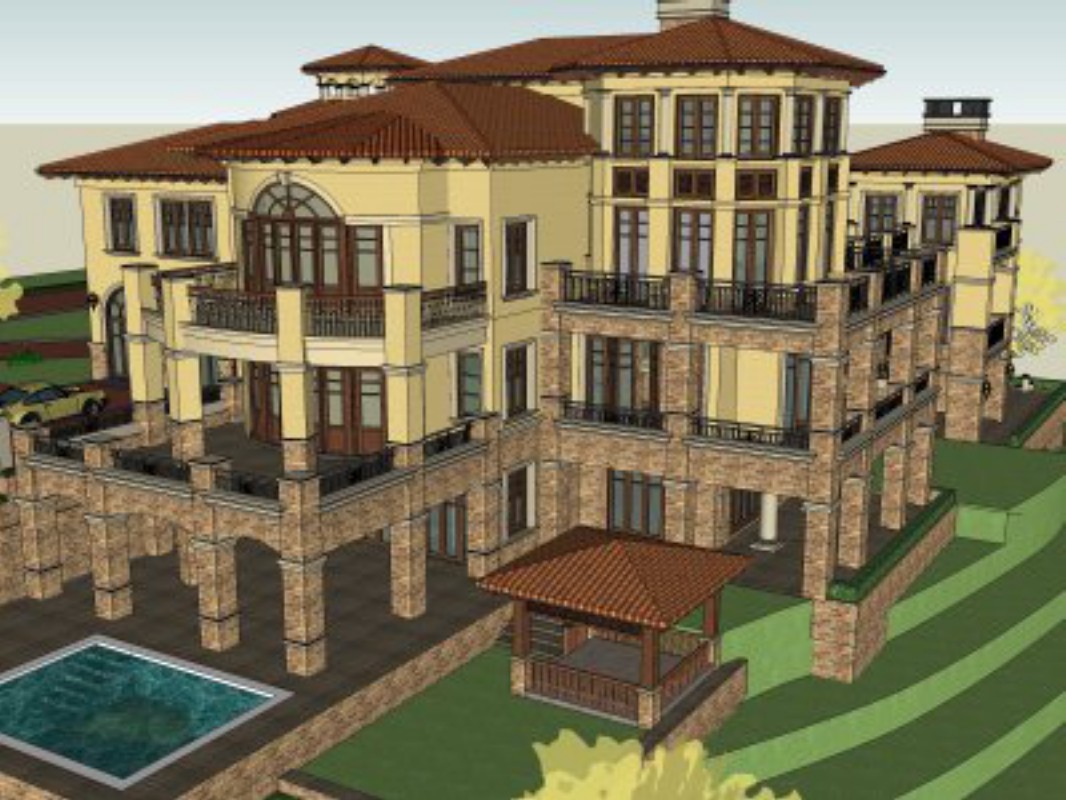
Life in the Spanish countryside truly offers an experience worlds apart from the hustle and bustle of the city. There’s less of the ‘rat race,’ community ties are closer, and you can enjoy more nature and personal space. However, this ‘slow life’ also requires giving up some urban conveniences. For those seeking tranquility, who enjoy gardening, or can work remotely, buying a Chalet in the countryside is a fantastic, high-value option. But if you’re someone who can’t live without the excitement and buzz of a bustling metropolis, you should think twice. What are your thoughts on rural life? Feel free to share and discuss!
