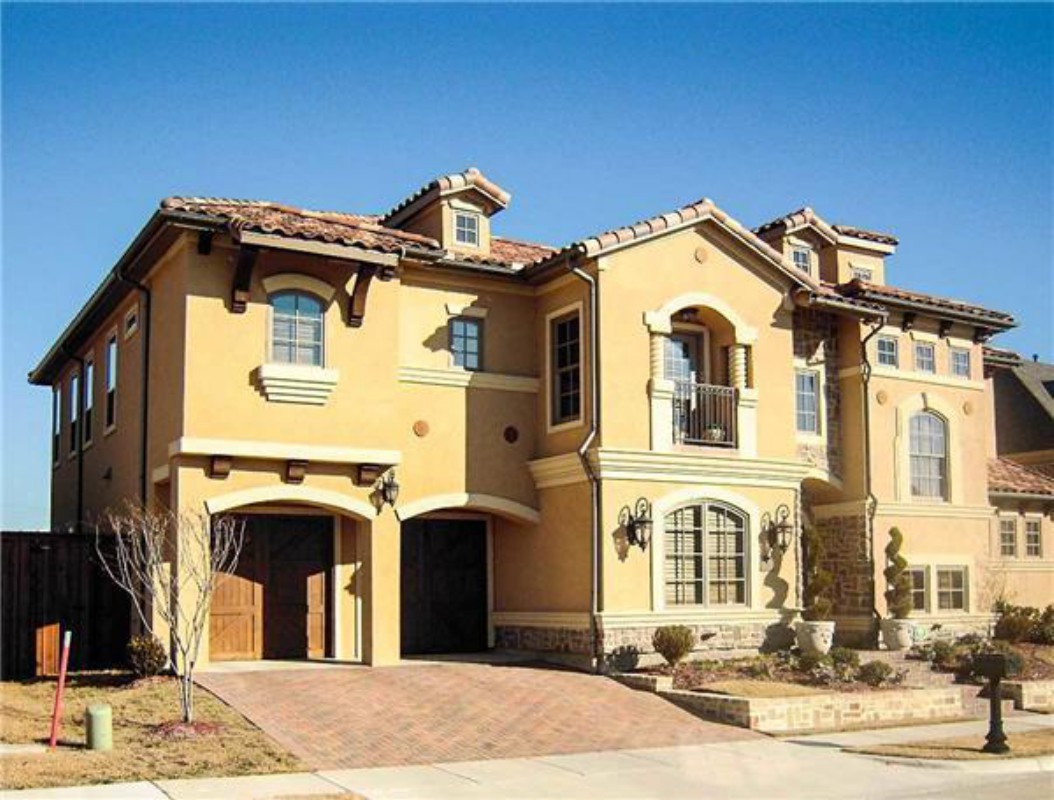
Lately, many people in online forums have been discussing buying property, especially detached villas with yards. Sunshine, gardens, pools… it’s all very appealing. I just went through the entire process recently and gained some insights, so I decided to organize and share them, hoping to help others with the same idea.
Key Identity and Documents: The NIE is Your First Step
As a foreigner in Spain, the very first step to buying property is to apply for a Foreigner’s Identity Number, commonly known as the NIE (Número de Identificación de Extranjero). This number is essentially your Spanish ID for almost everything, from buying a house and opening a bank account to paying taxes. The process to get an NIE isn’t complicated; you can apply directly at a police station in Spain or through a Spanish consulate in your home country. It’s advisable to start this process early, as appointments can be slow and it might take a few weeks to receive your number.
A Breakdown of Main Taxes
When it comes to buying a house, money is naturally a top concern. Besides the property price itself, taxes are a significant expense. I’ve compiled the main taxes into a table for a clearer overview:
| Tax Type | Applicable To | Reference Rate |
|---|
| VAT (IVA) | New-build properties | 10% |
| Stamp Duty (AJD) | Paid with VAT on new-builds | Varies by region, typically 1% - 1.5% |
| Property Transfer Tax (ITP) | Resale properties | Varies by region, typically 6% - 10% |
| Annual Property Tax (IBI) | Paid annually by property owners | Based on council’s property valuation, usually 0.4% - 1.1% |
Please note, you pay either ITP or VAT+AJD, not both. You pay VAT+AJD for new-builds and ITP for resale properties. These tax rates vary between Autonomous Communities, so the rate in Madrid might be different from that in Andalusia. Be sure to check the specific rates for the location of your target property before buying.
A Quick Word on the “Golden Visa”
Many people buy villas to obtain the “Golden Visa,” which is an investment-based residency permit. Under current policy, if you invest at least €500,000 in real estate in Spain, you can apply for a residency permit for yourself and your family. The advantage of this permit is that it doesn’t require you to live in Spain long-term and allows free travel within the Schengen Area. However, it’s worth noting that there are often rumors of changes to this policy. If your main goal for buying a Spanish chalet is to gain residency, it’s highly recommended to consult a professional lawyer to understand the latest official requirements.
The overall purchase process is roughly as follows: property viewing -> paying a deposit and signing a reservation contract -> applying for an NIE and a bank account -> arranging a mortgage -> lawyer conducts property due diligence -> signing the final deed of sale (Escritura) -> notarization at the notary’s office -> paying the remaining balance and taxes -> registering the property at the Land Registry. Finding a reliable lawyer is crucial. They can help you avoid many risks, such as checking if the property has outstanding debts, illegal constructions, or other issues. I hope this information is helpful to you all, and I welcome others with experience to add their thoughts and comments below!
