I’ve just settled down in Spain, having bought a villa with a small courtyard, and I’m currently figuring out how to achieve that authentic Mediterranean feel. After some research, I’ve realized that the exterior stone is the soul of the house! Walking through Spanish towns, the stone walls of old houses are just so charming; it feels like every stone tells a story. So, I’ve been digging into the common types of stone used for Spanish villas and wanted to share my findings to start a discussion.
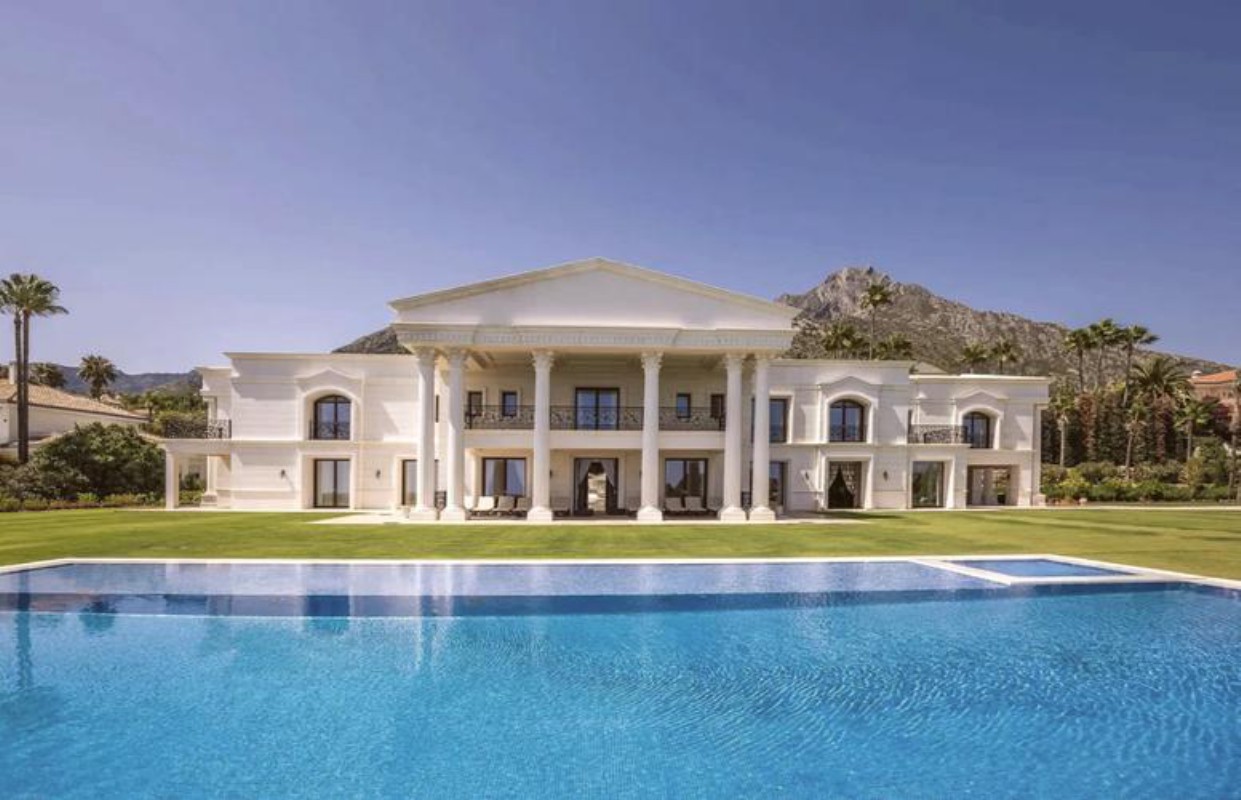
Common Types of Stone in Spanish Architecture
Spain is incredibly rich in stone resources, and the architectural styles of different regions are closely linked to the local stone. Based on my research and conversations with a few local contractors, these are some of the most popular choices:
Slate: This is very common in northern Spain, like in the Galicia region. It tends to be dark in color, mainly black, gray, or dark green. Its key feature is a distinct layered structure, allowing it to be split into thin sheets, which is why it’s often used for roof tiles and exterior cladding. The pros are its excellent water resistance and durability. The con is that its color is quite heavy, and using dark slate for the entire villa might feel a bit oppressive. That’s why for many stone villas, people often combine it with other lighter materials.
Limestone: This is a personal favorite of mine. It usually comes in white, cream, or pale yellow, with a soft and warm texture that looks sunny and inviting. Many of the white villages in Andalusia use this type of stone. Limestone is relatively soft and easy to shape, but this also means it’s more susceptible to erosion from acid rain and requires regular maintenance. However, the weathered look it develops over time has its own unique charm.
Sandstone: Sandstone also offers a rich color palette, from yellow and red to brown. It has a more granular, rough texture that looks very natural and rustic. It’s common in regions like Castile and León—the University of Salamanca’s facade is a classic example. Sandstone’s water absorption rate is a bit higher than limestone’s, so if you’re using it in a humid area, proper waterproofing is crucial. Nevertheless, its decorative effect is fantastic, especially when the sunlight hits it, creating a warm and cozy glow.
A Simple Comparison of Different Stones
To make the choice easier, I’ve created a simple table comparing the features of these common stones. Of course, this is just a general guide; the specifics will depend on the stone’s origin and quality.
| Stone Type | Common Colors | Pros | Cons |
|---|
| Slate | Black, gray, dark green | Excellent water resistance, very durable | Dark colors, can feel heavy/somber |
| Limestone | White, cream, pale yellow | Bright color, soft and warm texture | Softer material, requires maintenance |
| Sandstone | Yellow, red, brown | Natural texture, highly decorative | Slightly higher water absorption, needs waterproofing |
Choosing the right stone really depends on personal preference, the climate of your villa’s location, and your budget. I’m personally leaning towards using cream-colored limestone as the main material, with some cultured stone or red brick accents for a cozier feel. Do you have any good suggestions or practical experience to share? For example, which stone is easier to maintain, or are there any good value-for-money brands you’d recommend? Feel free to share your thoughts
!
