Hola a todos! We’ve been thinking about moving to a bigger house lately, and my husband has suddenly become obsessed with eco-villas. He keeps sending me beautiful pictures from Instagram, and I’m starting to get hooked too. These houses are all about energy efficiency, sustainability, and comfort, which sounds amazing. But whenever I hear words like ‘eco’ or ‘custom-built,’ my first thought is: It must be incredibly expensive, right?
!
With this question in mind, I spent a lot of time researching, browsing through various construction company websites, and talking to friends who are currently building their homes. So today, I’m starting this thread to share my ‘research findings’ on how much it actually costs to build an eco-villa in Spain. I welcome anyone with experience to join the discussion!
So, What’s the Real Cost?
First things first, it’s important to understand that an eco-villa isn’t a standard product, so prices can vary widely. Many factors affect the cost, such as location, floor area, material choices, design complexity, and so on. But generally speaking, the construction cost for a ‘passive house’ in the Spanish market today is around €1,300 to €2,000 per square meter.
This price refers to the construction cost of the building itself and doesn’t include expenses like purchasing land, obtaining permits, or landscaping. If you already own the land, building a 150-square-meter house would cost roughly between €195,000 and €300,000. Compared to a traditionally built villa of similar quality, this might only be 5% to 10% more expensive, or even about the same. It’s not as extreme as I had imagined.
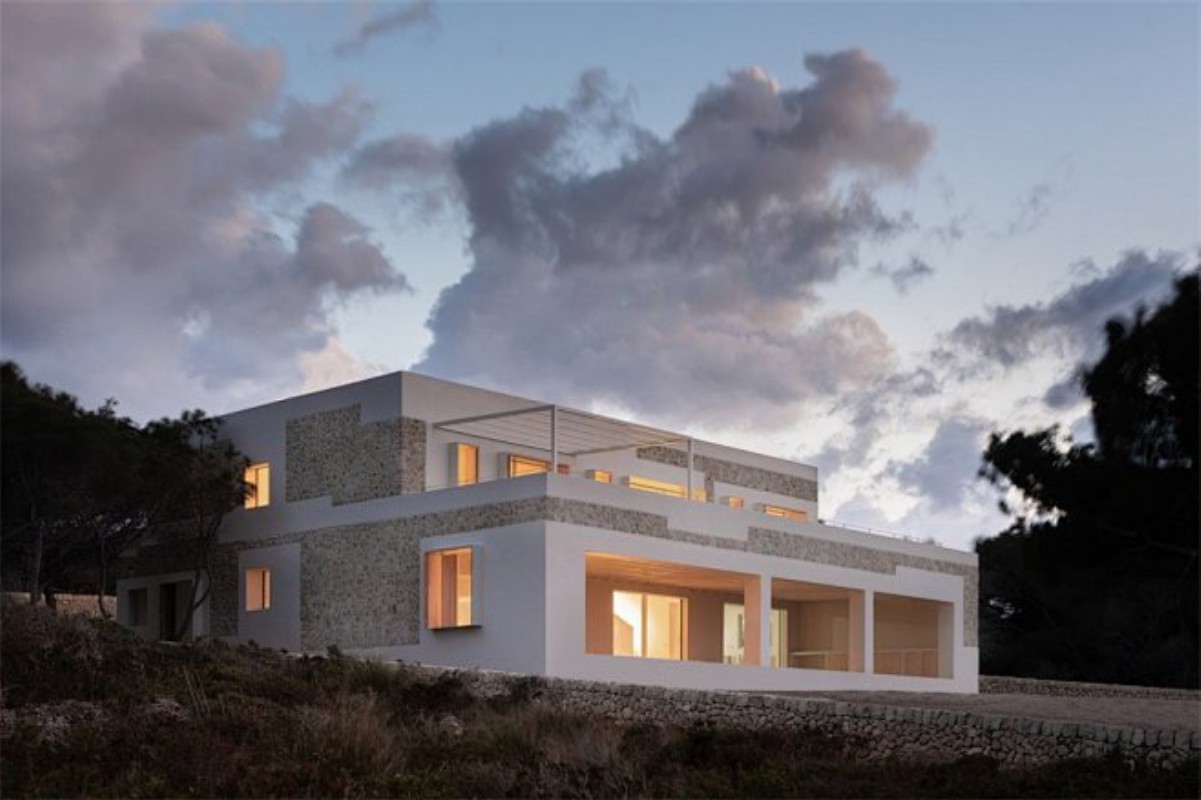
Why the Higher Initial Investment?
The reason eco-villas might have a slightly higher upfront cost is that the money is spent on ‘invisible but crucial’ features. For example:
- Superior Insulation: More substantial and higher-standard insulation materials are used for walls, roofs, and floors.
- High-Performance Windows and Doors: They typically feature triple-glazed windows with excellent airtightness to prevent energy loss.
- Mechanical Ventilation System: A system with heat recovery ensures fresh indoor air without opening windows, while also recovering heat from the exhausted air.
These investments are all aimed at achieving the ultimate goal of energy efficiency. A friend of mine lives in a passive house, and he says he barely needs to use the air conditioning in the summer, and his heating bills in winter are much lower than his neighbors’. The indoor temperature stays comfortably between 20-25°C year-round. In the long run, the savings on energy bills are quite substantial, and you can recoup the extra initial investment within a few years.
To give you a clearer picture, I’ve put together a simple table comparing some features of traditional villas versus eco-villas, inspired by this post on an eco-city villa
.
| Feature | Traditional Villa | Eco-Villa |
|---|
| Energy Consumption | High | Extremely Low |
| Living Comfort | Temperature fluctuates, can be damp | Constant temperature and humidity, high air quality |
| Initial Construction Cost | Standard | Potentially 5%-10% higher |
| Long-Term Operating Costs | High electricity/gas bills | Extremely low energy bills |
| Soundproofing | Average | Excellent |
I see eco-villas as an investment in the future. Although you might need a slightly larger budget upfront, what you get in return is a healthier, more comfortable living environment and continuous financial savings. Are there any members here who are already living in or currently building an eco-villa? Please feel free to share your experiences!
