When I first came to Spain, I hopped between several industries before a chance opportunity led me into the field of medical device sales, where I’ve been for nearly three years now. I’ve seen discussions about all sorts of jobs on the forum, so today I’d like to share my perspective on medical device sales in Spain as a reference for anyone interested. I also welcome fellow professionals to share their thoughts.
Entry Barriers and Industry Outlook
To legally sell medical devices in Spain, the absolute core requirement is that the product must have CE certification. This is the passport for the entire EU, signifying that the product meets safety, health, and environmental standards. In addition to CE marking, products must also be registered with the Spanish Agency for Medicines and Medical Devices (AEMPS). For sales personnel, language is a major hurdle; fluency in Spanish is a must. Knowing regional languages like Catalan or Basque can be a significant advantage in certain autonomous communities. In terms of professional background, a degree in medicine, pharmacy, bioengineering, or a related field is highly sought after, but it’s not an absolute rule. Many companies are also willing to train ‘outsiders’ with a talent for sales. Overall, with Spain’s aging population, the demand in the healthcare sector is continuously growing, so the outlook is quite positive.
What’s the Day-to-Day Work Like?
My daily routine is basically ‘on the road.’ The main tasks involve visiting hospital department heads, purchasing departments, and doctors in private clinics. You need to know your products inside and out—both strengths and weaknesses—because you’re dealing with professionals, and bluffing won’t work. In addition to presenting and giving demonstrations of various Spanish medical devices, you also handle orders, track logistics, resolve after-sales issues, and occasionally attend industry exhibitions and academic conferences. The job offers a lot of freedom, but the pressure is also high, as you have sales targets to meet every month.
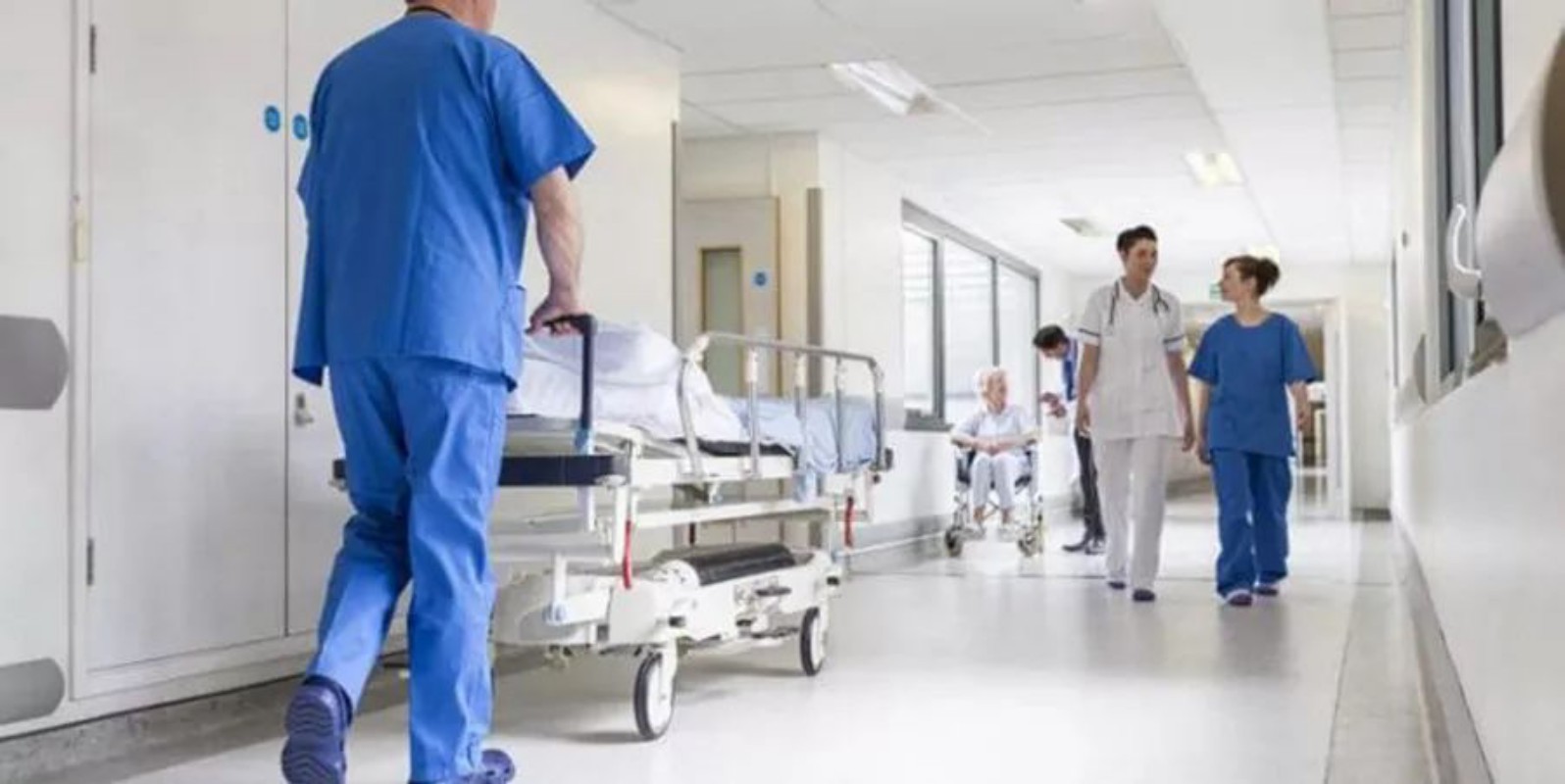
This job gives me the opportunity to interact with top medical experts and learn about the latest medical technologies, which is very fulfilling. But to be honest, rejection is also commonplace. Often, a scheduled doctor’s appointment gets postponed for hours due to an emergency surgery, or you end up making a trip for nothing. Furthermore, the procurement process in public hospitals is typically long and complex; it’s quite normal to follow up on a single order for six months or even a year. The entire process requires deep knowledge of regulatory hurdles like AEMPS registration. Therefore, much like navigating the complexities of MDR certification, patience and resilience are crucial.
A Few Tips for Newcomers
If you’re looking to enter the industry, I’ve summarized a few points that might be helpful. You could start with basic medical consumables or devices that aren’t as technologically complex to build experience and your network. The table below is my personal summary of the characteristics of different classes of medical devices in the Spanish market. It may not be perfectly accurate and is for reference only:
| Device Class | Market Characteristics | Sales Difficulty | Profit Margin |
|---|
| Class I | Mature market, intense competition | Low | Low |
| Class IIa/IIb | Medium technical requirements, needs professional knowledge | Medium | Medium |
| Class III | High technical barriers, strict regulations | High | High |
In short, it’s not a job where you can expect to make easy money, but if you have a passion for the medical field, enjoy interacting with people, and aren’t afraid of a challenge, it can be a very rewarding career. I hope my sharing helps!
