New to Spain? You might find yourself puzzled by the various names for medical facilities. Centro de Salud, CAP, Ambulatorio, Hospital… they can seem similar, but their roles are quite different. Today, we’ll break it all down so you’ll know exactly where to go when you need medical attention!
Community Healthcare: Your First Stop
In Spain, unless you’re facing a critical emergency, your first point of contact for healthcare isn’t a large hospital but the basic medical unit in your local community. This is where you see your family doctor (médico de cabecera), manage day-to-day health issues, get prescriptions, have check-ups, receive vaccinations, and obtain referrals to specialists.
Depending on the region, these centers go by different names:
- Centro de Salud: This is the most common term, meaning ‘health center,’ and is used throughout most of Spain.
- Centre d’Atenció Primària (CAP): This is the term for Spanish healthcare centers in Catalonia, meaning ‘Primary Care Center,’ which is equivalent to a Centro de Salud.
- Ambulatorio: This is a slightly older term still in use in some areas, but its function is essentially the same as a Centro de Salud.
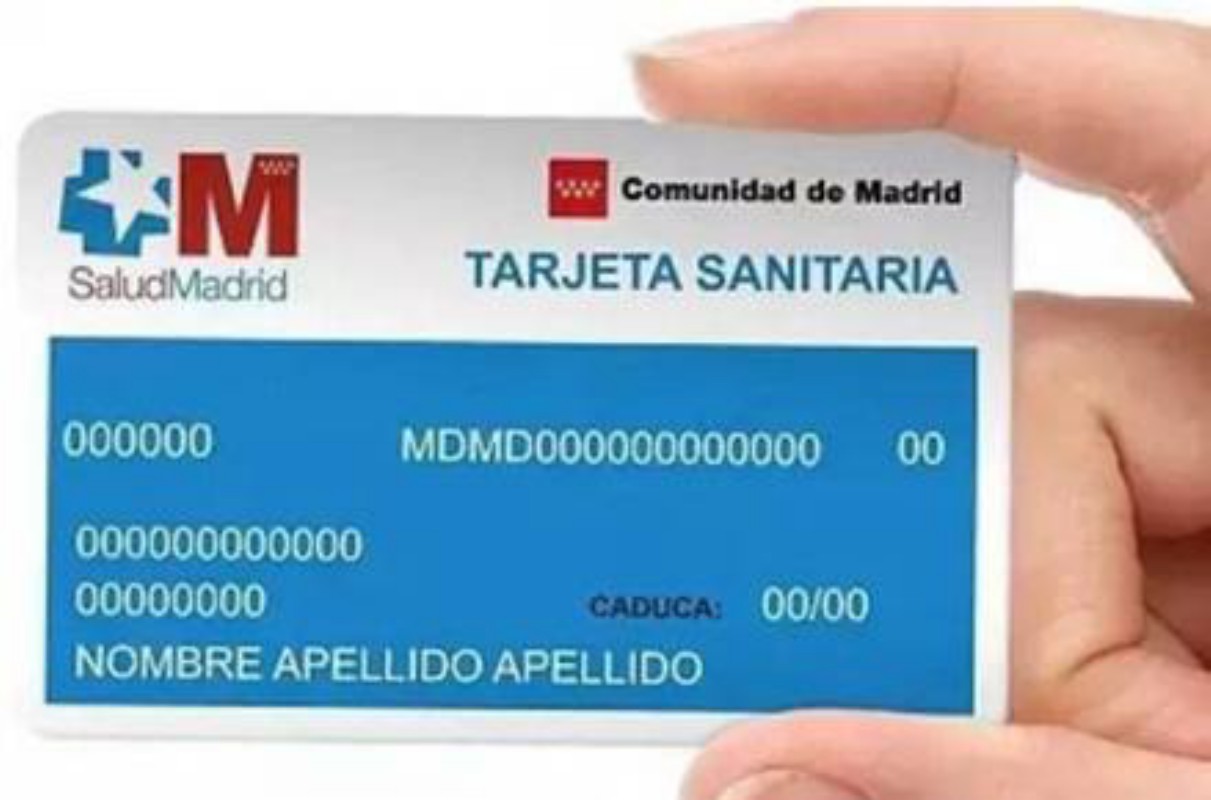
Therefore, once you receive your public health card (tarjeta sanitaria), your first step should be to register at the Centro de Salud or CAP assigned to your address. They will assign a family doctor to you. From then on, for common ailments like a cold, fever, or skin allergies, you’ll book an appointment here for [Spanish medical care].
Specialists and Emergencies: When to Go to the Hospital?
So, when is it necessary to go to a Hospital? There are two main scenarios.
The first is for Emergencies. If you are dealing with a severe injury, sudden intense pain, difficulty breathing, or other urgent situations related to [the Spanish healthcare system], do not hesitate. Go directly to the Urgencias (Emergency) department of the nearest public hospital. These departments are open 24/7 to handle critical cases.
The second is for Specialist Consultations. This is for when you need to see a specialist, such as a cardiologist, orthopedist, or endocrinologist. In this situation, you cannot go directly to the hospital to book an appointment. The correct procedure is to first visit your family doctor at your Centro de Salud. Your doctor will assess your condition and, if necessary, issue a referral for an appointment with a specialist at the appropriate hospital. The waiting time for this can be quite long, ranging from a few weeks to several months, so some patience is required.
To make it easier to understand, here is a simple table outlining their functions:
| Institution Type | Main Function | When to Go |
|---|
| Centro de Salud / CAP | Family doctor, common illnesses, prescriptions, check-ups, issuing referrals | Colds, fevers, chronic disease management, when needing a specialist referral |
| Hospital (Urgencias) | Handling life-threatening emergencies | Sudden severe illness, serious accidents, heart attacks, etc. |
| Hospital (Specialist Care) | Specialized diagnosis, treatment, and surgery | After receiving a referral from your family doctor, at the scheduled appointment time |
Remember this golden rule: Go to the community center for minor issues, and to the hospital for emergencies and serious conditions. Getting registered at your assigned Centro de Salud or CAP is the crucial first step to accessing Spain’s public healthcare benefits. We hope this guide helps new arrivals navigate the system with more confidence! If you have any other questions or tips to add, please leave a comment below and join the discussion!
