Having recently moved to Barcelona, I’d always heard that Spain’s universal free healthcare was excellent, but I never knew the details. After an unfortunate bout of the flu sent me to the hospital, I thought I’d take this opportunity to share my real experience with the Spanish healthcare system as a reference for other newcomers.
Public vs. Private Healthcare
Spain’s healthcare is divided into public and private systems. As long as you have legal residency in Spain and contribute to social security, you can apply for a health card (tarjeta sanitaria) and access the free public healthcare service. This ‘free’ service means that appointments, hospital stays, and surgeries are generally at no cost. However, you do have to co-pay for prescriptions, with the amount you pay (from 10% to 60%) depending on your income and retirement status. Private healthcare involves purchasing commercial insurance. Its advantages are virtually no waiting times, the ability to choose your own doctors and hospitals, and a better service experience, much like a premium or VIP service. I went to a public hospital this time, and my overall impression was—crowded, but professional.
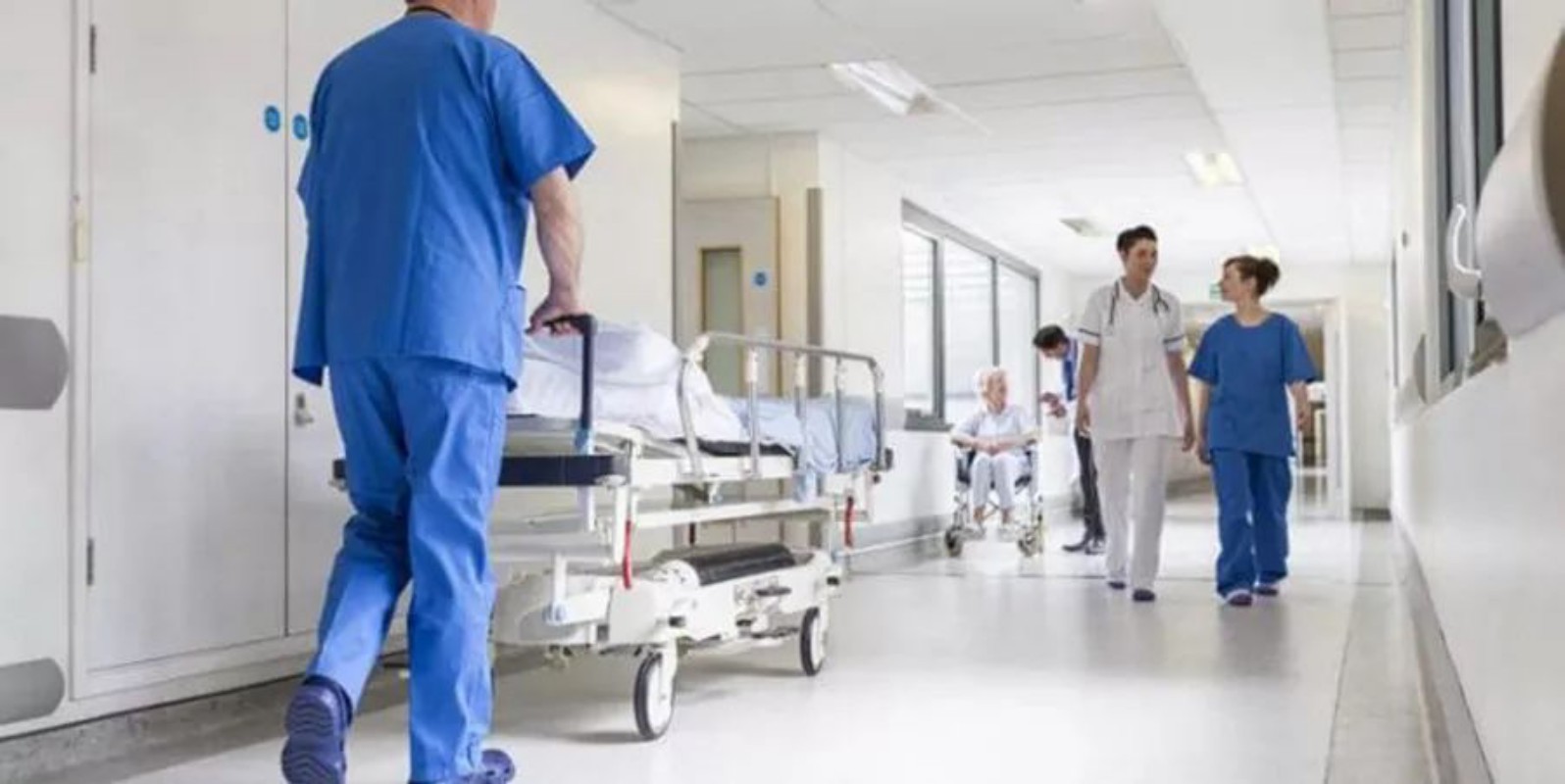
So, How Good Is the Quality of Care?
Many people are curious about the standard of healthcare in Spain. Instead of just taking my word for it, let’s look at the data. In the World Health Organization’s rankings of global healthcare systems, Spain consistently places in the top ten, often ahead of countries like the US and the UK. Spain’s expertise is particularly world-class in fields like organ transplantation, cancer treatment, and cardiovascular diseases. The doctors I interacted with struck me as very thorough and patient. Although the wait was long, the consultation itself was not rushed at all; they explained the cause of my illness and the treatment plan very clearly. I was also impressed that they don’t overuse antibiotics.
The appointment and consultation process is actually quite simple. Once you have your health card, you’ll be assigned to a local health center (centro de salud) and a family doctor (médico de cabecera). For minor illnesses, you can book an appointment directly with your family doctor; many regions now offer convenient booking through an app or website. For emergencies, you can go directly to the hospital’s emergency department (urgencias), but the wait time can be very long (I waited for almost 3 hours…). If your family doctor believes you need to see a specialist, they will issue a referral. Despite some wait times, overall Spanish healthcare rankings are excellent. Here’s a simple comparison I’ve put together to make it clearer:
| Feature | Public Healthcare | Private Healthcare |
|---|
| Cost | Mostly free | Requires private insurance |
| Appointments | Longer waiting times | Fast, more choices |
| Doctors | System-assigned, can request change | Free choice of doctors and hospitals |
| Coverage | Covers all conditions | Depends on the insurance plan |
| Experience | Streamlined, focused on effectiveness | Attentive service, better environment |
If you prioritize efficiency and a better service experience, and your budget allows, supplementing with private insurance is a good option. However, for dealing with everything from common ailments to major illnesses, the public Spanish healthcare system is more than reliable, and the overall quality of Spanish healthcare is definitely top-notch. For those of us living abroad, having a robust healthcare system as a safety net provides real peace of mind. If you have any of your own medical experiences in Spain, feel free to share them in the comments below!
