Falling ill is one of the biggest worries when you’ve just moved to Spain, especially when it’s an emergency. Not knowing the language or the procedures can be overwhelming. I recently had to make a trip to the ER for a family member’s allergic reaction, and I’ve finally gotten the hang of the whole process. Today, I’m sharing my experience to help you out in a critical moment.
Handling an Emergency
The most important number to remember is: 112! This is the universal emergency number for all of Europe, covering medical, police, and fire emergencies. The operators usually speak Spanish and English, and in major cities, multilingual services might be available. When you call, stay calm and clearly state:
- What the situation is.
- Where you are.
- Your contact phone number.
The operator will assess the situation and decide whether to dispatch an ambulance or advise you to go to the hospital yourself.
Public vs. Private Emergency Rooms
If your situation isn’t critical and you can get to the hospital on your own, you’ll need to choose between public and private facilities. This is a common question regarding [Spanish healthcare].
- Public Hospitals: The main advantage is that emergency care is completely free if you have a social security card or a European Health Insurance Card (EHIC). The downside is that they can be very crowded with long waiting times. Unless you have a life-threatening condition, waiting three or four hours is common. However, public hospitals typically have more comprehensive equipment and resources.
- Private Hospitals: If you have private health insurance, going to one of the designated private hospitals is much faster and a better experience. Without insurance, you’ll have to pay out-of-pocket, and it can be expensive. That’s why having suitable private insurance is highly recommended, especially considering the pressures on public [Spanish medical care].
ER Procedure and Non-Urgent Situations
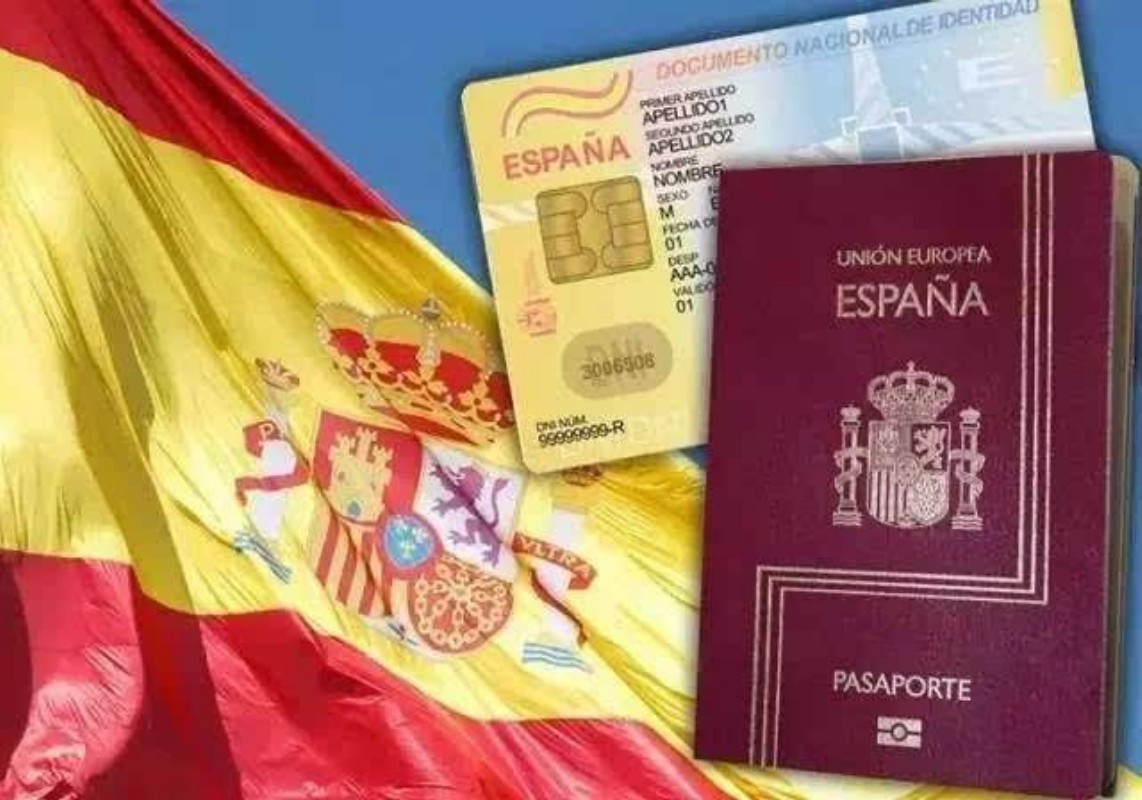
Upon arriving at the ‘Urgencias’ (emergency department), first register at the front desk. Present your ID and your social security card/insurance card. A nurse will then perform a triage to assess the severity of your condition and assign you a color code, which determines your priority. After that, it’s a long wait in the waiting area until your number is called. The process of consultation, tests, and getting a prescription is similar to what you might be used to, just with longer waits.
For minor issues like a common cold or a small cut, it’s not really necessary to crowd the emergency room. You can make an appointment with your family doctor at the local health center (‘centro de salud’) or go directly to a pharmacy. This is a common point of discussion when people share their experiences with the Spanish healthcare system.
| Situation | Recommended Action | Key Points |
|---|
| Life-threatening | Call 112 | Stay calm, state your location clearly |
| Fractures, persistent high fever | Hospital ER (‘Urgencias’) | Bring ID/cards, be prepared for a long wait |
| Common cold, stomach upset | Local health center or pharmacy | Many over-the-counter drugs are available at pharmacies |
One last tip: pharmacies in Spain are easily identified by a green cross sign outside. For nights or holidays, you can find on-duty pharmacies (‘farmacias de guardia’); a quick search on Google Maps will show you where they are. I hope you all stay healthy in Spain and never have to use this guide!
