Having recently moved to Spain, I’ve noticed a common question on forums from newcomers: ‘I heard healthcare in Spain is free, is that true?’ Well, the answer is both “yes” and “not entirely.” As someone who has lived in Spain for several years and navigated both the public and private hospital systems, today I’ll share my perspective on Spain’s public healthcare.
Public Healthcare: Is It Really ‘Free’?
Simply put, if you have legal residency and are employed and contributing to social security, you can apply for a public health card. With this card, visits to public community health centers or public hospitals are generally free. For instance, seeing a general practitioner (GP), a specialist, getting tests, being hospitalized, or undergoing surgery in the public system doesn’t require out-of-pocket payment at the time of service. This is because the costs are covered by the social security contributions deducted from our monthly salary, so it’s a ‘by the people, for the people’ system.
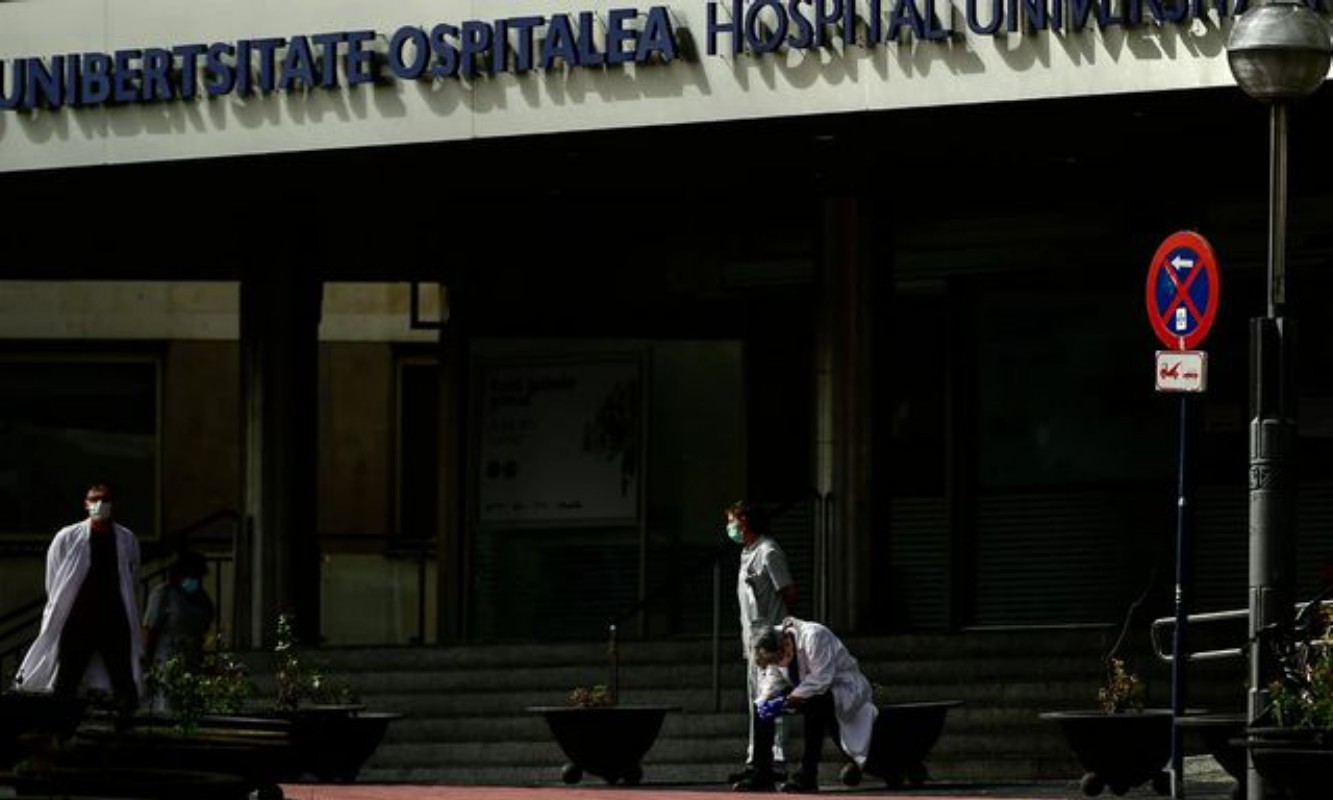
But it is important to understand what Spain’s free healthcare covers! “Free” doesn’t mean “completely free”. A classic example is prescription medication. You have to buy the medicine prescribed by your doctor at a pharmacy. However, with a prescription from a public doctor, you get a significant discount. Depending on your income and retirement status, you might only pay about 10% to 60% of the medication’s cost. Furthermore, services like dentistry and optometry are generally not covered by the public system, except for very basic check-ups or emergencies like tooth extractions. So don’t naively assume every medical service is completely free of charge.
Private Healthcare: Paying for Speed and Comfort
So, why do so many people buy private health insurance? The main reason is one word: speed. While the public system is free, its biggest drawback is the long waiting times. Scheduling an appointment with a specialist can take months, sometimes even half a year. Getting an ultrasound or an MRI also commonly involves long queues. If you don’t want to wait or prefer a better experience, you can purchase private insurance. By paying a monthly premium of a few dozen to over a hundred euros, you can see doctors and get tests done with minimal waiting. I personally have both the public card and private insurance. For minor ailments, I go to the community health center, but for urgent matters or when I need to see a specialist quickly, I use my private insurance.
Public vs. Private: A Quick Comparison
To give you a clearer picture, here’s a simple comparison table:
| Feature | Public Healthcare | Private Healthcare |
|---|
| Cost | Generally free after social security contributions | Requires purchasing commercial insurance with monthly premiums |
| Pros | Low cost, covers most illnesses and surgeries | Fast, short waiting times for appointments, better service |
| Cons | Long waiting times, especially for specialists and tests | Premiums are a fixed expense; potential for non-covered procedures within the private Spanish healthcare options. |
| Medication | Co-payment required for prescription drugs | Coverage depends on the insurance policy, may be full or partial |
Spain’s public healthcare system provides an excellent safety net, ensuring that everyone can afford medical care. However, if you have higher expectations for efficiency and service, purchasing private insurance as a supplement is a very common choice. I hope my sharing has been helpful for new arrivals! Feel free to share your own healthcare experiences in the comments below!
