When I first came to Spain, the most common thing I heard was “great welfare, free healthcare.” After living here for a while, I discovered that this “free” is a bit different from the “completely no cost” idea I had in mind. Today, from the perspective of an ordinary resident, I’ll talk about the Spanish healthcare system as I see it, hoping to help those who have just arrived or are planning to come.
What Does “Free” Actually Mean?
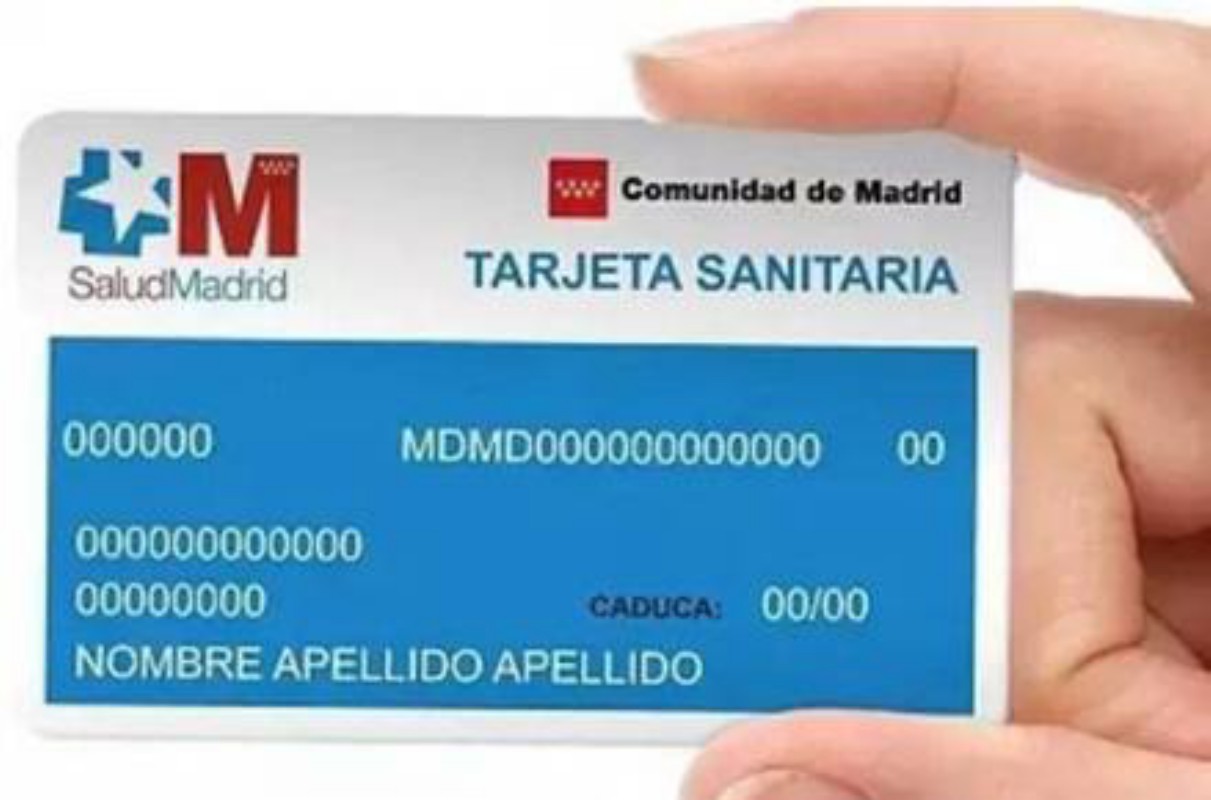
First, let’s be clear: Spain’s public healthcare is indeed available to all legal residents at no direct cost at the point of service. This “free” means that when you see a doctor, get hospitalized, have surgery, or receive a prescription, you don’t pay at the hospital counter. But this money doesn’t just disappear; it comes from the social security contributions we all make each month. So, a more accurate term would be a “universal social security-based healthcare system” rather than a freebie from the sky. As long as you have legal residency and are contributing to social security, you can get a health card and access the system.
My Experience Seeing a Doctor
One of the biggest differences from many other systems is that in Spain, you generally don’t go directly to a large hospital. Instead, you first visit the health center (centro de salud) assigned to your neighborhood. Everyone’s health card designates a family doctor (médico de cabecera). When you’re not feeling well, you make an appointment with this doctor first. Appointments are easy to make these days, either by phone or through a mobile app. For minor issues, the family doctor handles it directly. If they think the problem is more serious, they will refer you to a specialist or a hospital. This process can be a bit slow; waiting several months for a non-urgent specialist appointment is common in the Spanish public healthcare system, which can be frustrating.
What Isn’t Actually “Free”?
Although core medical services are free, not everything is covered. The most typical example is prescription costs. For drugs prescribed by your family doctor, you need to buy them at a pharmacy yourself. The healthcare system covers a portion, but you usually have to pay a co-payment of 10% to 60%, with the exact percentage depending on your income and whether you are retired. You can learn more about what Spain’s free healthcare includes. Additionally, services like dentistry, optometry, and certain cosmetic procedures are generally not covered by the public system, or only cover the most basic services like check-ups and extractions. This is why many people purchase private health insurance as a supplement.
| Category | Public Coverage | Common Approach |
|---|
| Routine/Emergency Visits | Mostly covered | Book an appointment with a family doctor or go to the ER |
| Hospitalization/Surgery | Mostly covered | Arranged by the doctor; no direct hospital fees |
| Prescription Drugs | Co-payment required | Purchase at a pharmacy with a prescription, paying a portion of the cost |
| Dental Care | Mostly not covered | Most people visit a private dentist or buy separate dental insurance |
| Eyeglasses/Contact Lenses | Not covered | Purchase at an optician’s shop yourself |
The Spanish public healthcare system provides a solid safety net for our basic health, ensuring that a major illness won’t bankrupt you. However, it’s important to be objective about its shortcomings, such as long waiting times and lack of coverage for certain services. Understanding these aspects of healthcare in Spain will help you make better use of the resources available. If you have any of your own experiences seeing a doctor or just want to share your thoughts, feel free to join the conversation below!
