Having recently moved to Spain, I’ve been talking with friends about seeing a doctor and found that everyone has a real love-hate relationship with the healthcare system here. I wanted to start a discussion, combining what I’ve learned about Spanish medical devices with the experiences of people around me, to explore what the healthcare industry in Spain is really like. This could also serve as a useful guide for newcomers.
Public Healthcare: A Free Lunch, But Patience is Required
Spain’s public healthcare system is a prime example of a universal welfare system. As long as you have legal residency and are registered with social security, you can apply for a health card (Tarjeta Sanitaria) and enjoy free medical services. From local general practitioners (GPs) to specialists in large public hospitals, as well as emergency care and surgeries, almost everything is covered without out-of-pocket payments. Sounds great, doesn’t it?
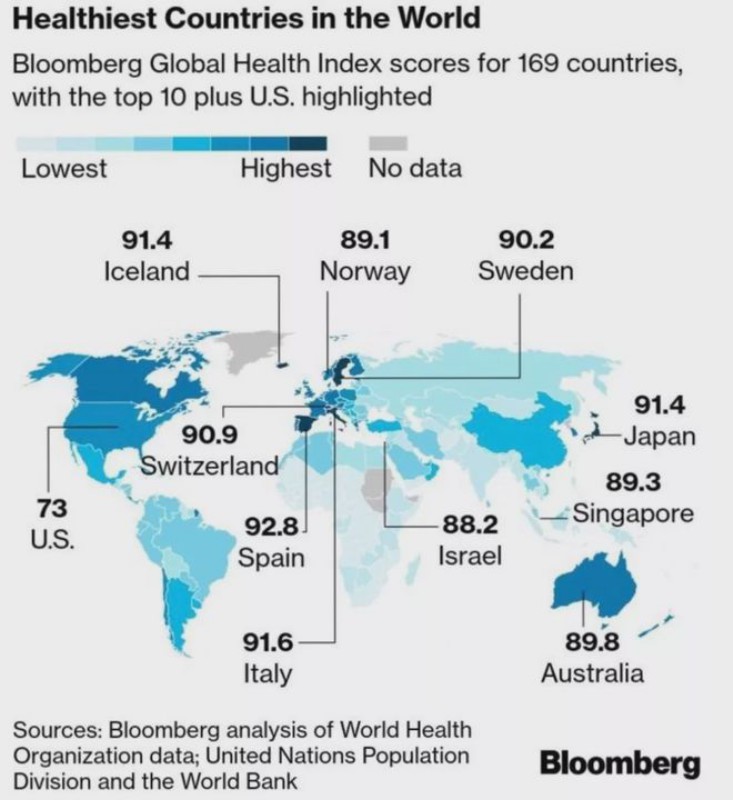
But the price for this ‘free’ service is—the wait
! Unless it’s a life-threatening emergency, the first step is always to book an appointment with your GP, which can often mean waiting several days or even a couple of weeks. If your GP refers you to a specialist, the wait time for the referral can be even longer. Waiting a few months, or even half a year, for popular specialties is quite common. A friend of mine with knee pain had to wait three months to see an orthopedist. So, for chronic conditions or non-urgent examinations within the Spanish healthcare
system, the public route certainly tests your patience, which makes understanding your options for Spanish health insurance all the more important.
Private Healthcare: Paying for Time and Efficiency
In stark contrast to the public system is private healthcare. Many expats and locals here purchase an additional private health insurance plan from major companies like Sanitas, Adeslas, or Asisa. The biggest advantage of private insurance is speed! You can directly book an appointment with any specialist you need to see, without a referral from a GP. The waiting time is usually just a few days, and sometimes you can even get an appointment the same or the next day. The hospital environments are generally nicer, the service is more personalized, and many private hospitals offer services in English (or even other languages), making communication much easier. Of course, this all comes at a cost, based on paying for a premium. Insurance fees can range from tens to hundreds of euros per month, depending on your age and the level of coverage.
Here’s a simple summary of the features of public and private healthcare to help you choose based on your needs:
| Feature | Public Healthcare | Private Healthcare |
|---|
| Cost | Free | Paid |
| Appointment Speed | Slow, long waiting times | Fast, direct access to specialists |
| Coverage | Comprehensive, including major illnesses | Depends on the insurance plan |
| Service Experience | Standardized, high patient volume | More personalized, better environment |
Overall, Spain’s healthcare system is quite comprehensive. For common ailments like a headache or a cold, or if you don’t mind waiting, the public system is perfectly adequate. However, if you value efficiency or have specific medical needs, getting private health insurance can definitely improve your quality of life in Spain. How do you all usually handle medical visits? Any pitfalls to avoid or recommendations to share? Feel free to leave a comment and join the discussion below!
