When I first came to Spain, the phrase I heard most often was “free healthcare for all,” which sounded incredibly impressive. After living here for several years and making numerous trips to hospitals and clinics with my family, I’ve gained some firsthand experience with the system. Today, I’m starting this thread to share my perspective on Spanish healthcare. This is purely based on my personal experience, and I welcome everyone to join the discussion and add their own insights.
Public Healthcare: Free, but Patience is Required
Spain’s public healthcare system does indeed have extensive coverage. As long as you have legal residency and a job, or have purchased student insurance, you can apply for a medical card (tarjeta sanitaria). With this card, visiting your family doctor at the local health center (centro de salud) is essentially free, and most prescribed medications are subsidized by the government, meaning you only pay a small portion. This is a fantastic benefit, especially for patients with chronic conditions requiring long-term medication, as it can lead to significant savings and is a key aspect of Spanish healthcare.
However! There are two sides to every coin. The biggest problem with public healthcare is that it’s SLOW. It usually takes a few days to get an appointment with a family doctor. If your family doctor refers you to a specialist, a process tied to your Spanish health insurance coverage, the wait can be much longer—several months or even half a year is considered normal. The waiting lists for tests like ultrasounds or MRIs can also be quite long. For emergencies and serious conditions, public hospital emergency rooms (urgencias) are very reliable, but if it’s not a life-threatening situation, waiting for several hours in the ER is common. You could say that with public healthcare, you are trading time for money.
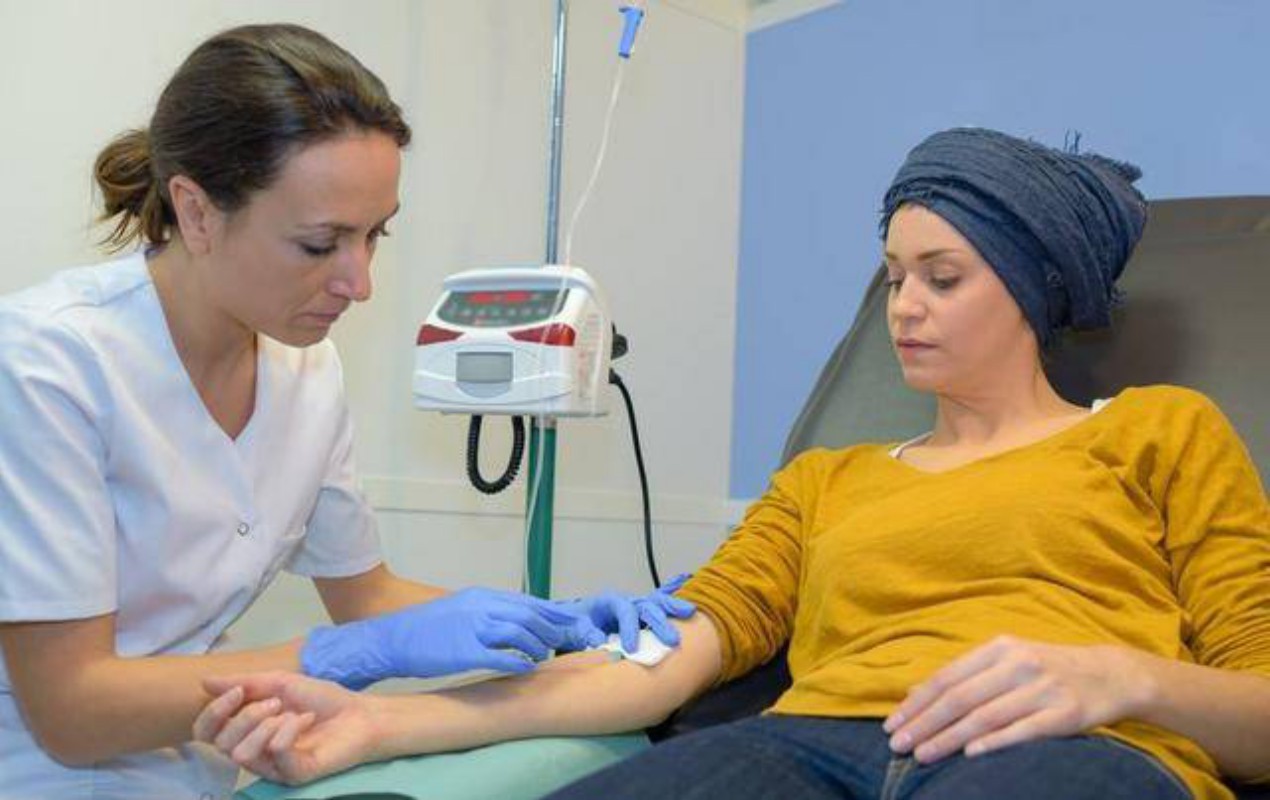
Private Healthcare: Paying for Efficiency
Precisely because of the “slowness” of public healthcare, many people in Spain with stable jobs and income, including myself, opt to buy additional private health insurance. The advantages of private insurance are speed and convenience. You can book an appointment with any specialist directly through the insurance company’s app, usually within a week. There’s almost no waiting time for tests either. The medical environment and service are generally better, and doctors have more time to discuss your condition with you. Of course, all of this isn’t getting it for free—it’s based on paying a monthly insurance premium. The cost varies from a few dozen to over a hundred euros per month, depending on your age, health status, and the extent of the coverage.
Here’s a simple comparison of my personal experiences with public and private healthcare:
| Feature | Public Healthcare | Private Healthcare |
|---|
| Pros | Low cost, wide coverage, good for serious illnesses | Fast appointments, more choice, better service experience |
| Cons | Long waiting times, inflexible appointments | Requires continuous premium payments, some treatments may not be covered |
| Best for | General emergencies, chronic disease management, those on a budget | Those who value time, need frequent specialist visits, or seek a premium experience |
Overall, Spain’s healthcare system is quite impressive. The public system provides a solid “safety net,” ensuring everyone can afford medical care and access related benefits like Spanish sick pay, while the private system offers more efficient and comfortable “value-added” services. Combining both systems can meet the medical needs of most people. Personally, I have both a public medical card and private insurance. For minor ailments or to get regular prescriptions, I go to the local health center. When I need to see a specialist quickly or get a test done, I use my private insurance. It’s about getting the best of both worlds. How do you all navigate the system?
