I moved to Valencia not long ago and, quite unluckily, I quickly got to experience Spain’s legendary universal free healthcare. I had read all sorts of things online, from people praising it to the skies to others complaining about waiting forever. Today, from the perspective of a regular new immigrant, I want to share my recent, firsthand experience to offer a reference for those who might find themselves in a similar situation.
My Experience Seeing a Doctor
It all started with a sudden, severe allergic reaction. I broke out in a widespread rash that was incredibly itchy. Since I had just gotten my social security card, I decided to give the public healthcare system a try. I first went to my local health center’s website to book an appointment with my family doctor (GP). The earliest available slot was three days later. To be honest, this waiting time is a bit slow for an acute issue, but it wasn’t completely unacceptable. For a routine prescription refill or a simple consultation, this speed is probably fine.
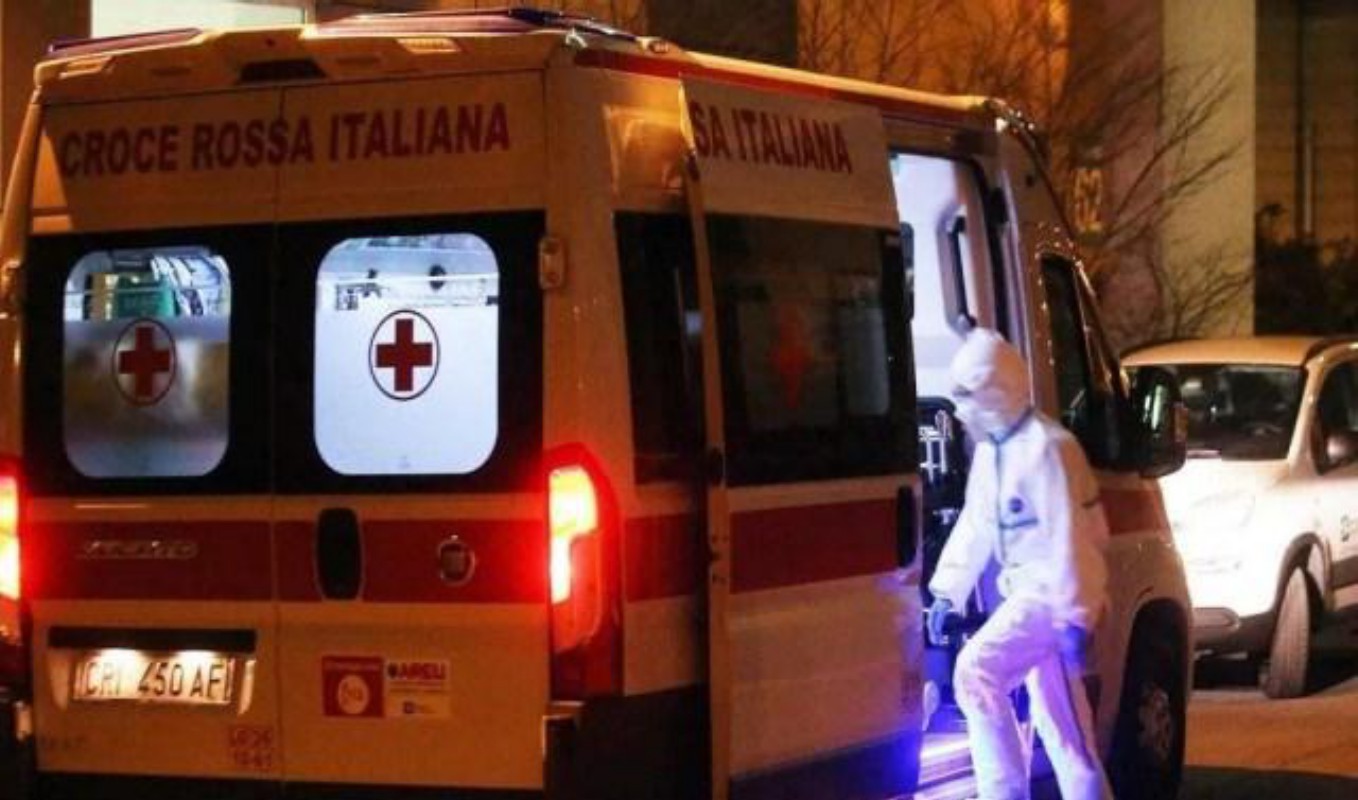
However, by the next evening, my condition worsened, and I started having some difficulty breathing. I knew I couldn’t wait any longer, so I took a taxi to the emergency room (Urgencias) at a nearby public hospital. In the ER, a nurse at the reception first triaged me based on the severity of my condition. Because I was having respiratory issues, I was prioritized and got to see a doctor after about a 40-minute wait. The doctor was very patient, asked about my situation in detail, performed an examination, and then arranged for an injection and follow-up oral medication. Aside from the taxi fare, it truly didn’t cost me a single cent.
A Summary of Pros and Cons
Based on this experience and stories from friends, I’ve summarized the main characteristics of Spain’s public healthcare. It’s a system with very distinct advantages and disadvantages.
| Pros | Cons |
|---|
| Universal Coverage, Mostly Free: As long as you have social security, visits, tests, hospital stays, and surgeries are generally free. | Long Waiting Times: For non-urgent specialist appointments or tests, waiting for several months is common. |
| Separate Prescription/Pharmacy System, Low Drug Prices: Doctors only write prescriptions; you buy the medicine at a pharmacy. With a social security card, you get a significant discount on medication. | Relatively Low Efficiency: ER waiting times can be unpredictable and depend entirely on how the triage nurse assesses your urgency. |
| Professional and Responsible Doctors: The doctors and nurses I encountered were patient, didn’t over-prescribe, and were very thorough. | Language Barrier: In smaller cities or non-tourist area health centers, doctors may not speak English. |
My sense is that the Spanish public healthcare system excels at providing a ‘safety net.’ For truly life-threatening, serious illnesses, it offers a solid guarantee—a key feature of Spanish healthcare—ensuring you won’t fall into poverty because of an illness. However, for those less urgent ‘minor ailments’ that still significantly impact your quality of life, its efficiency can be maddening. This is why many locals and expats who can afford it also buy private Spanish health insurance as a supplement. The common strategy is to use private care for minor issues for faster service, while relying on the public system for major illnesses for peace of mind. This is a separate matter from other social security provisions, such as Spanish sick pay benefits. What have your experiences been like? Feel free to share and discuss in the comments below!
