When I first moved to Spain, one of my biggest worries was what to do if I got sick. The healthcare system here is quite different from what I was used to back home, and it took me a while to figure it out. Today, I’m sharing my experience with navigating the Spanish healthcare system from a regular user’s perspective, hoping it can help others.
Public vs. Private Healthcare
First, it’s essential to understand the main characteristic of Spanish healthcare: the public and private systems are two completely separate tracks. In simple terms:
- Public Healthcare: As long as you have legal residency and are contributing to social security (seguridad social), you are entitled to free access. Doctor’s visits, hospital stays, and surgeries are generally free of charge. The downside is the long waiting times; waiting several months for a specialist appointment is common.
- Private Healthcare: This requires purchasing a private health insurance plan from companies like Sanitas, Adeslas, or Asisa. The advantage is that there are
almost no waits; appointments are quick to book, the service is excellent, and the facilities can feel like a hotel. The obvious drawback is the cost of the insurance premium.
Personally, my company pays for my social security, and I also bought a private insurance plan. Having both options gives me peace of mind.
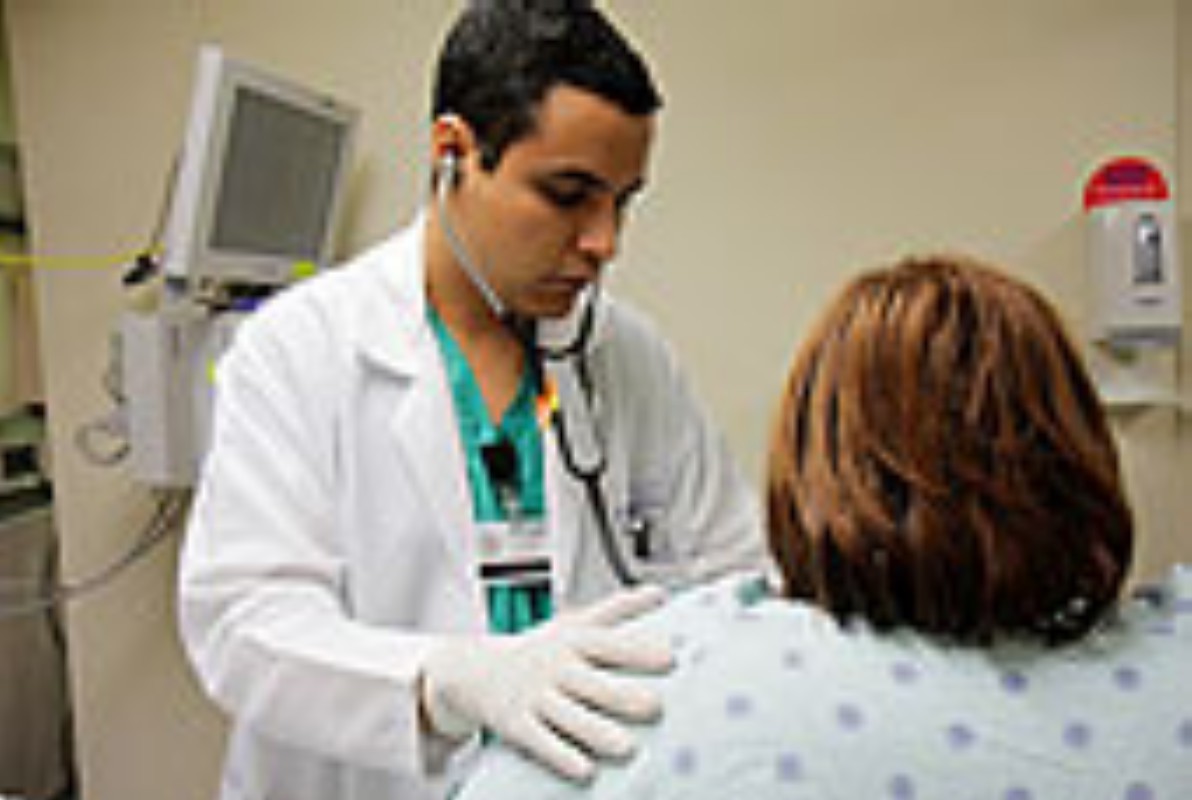
How to See a Doctor: The Process Explained
Whether you use the public or private system, the general process for seeing a doctor is similar, but the specific steps differ.
The typical public system process is: You feel unwell -> Book an appointment with your family doctor (médico de cabecera) -> The family doctor makes an initial diagnosis. If they can’t resolve the issue -> They will give you a referral to a specialist -> You wait for the specialist’s hospital to call you with an appointment.
The private system process is much simpler: You feel unwell -> Directly search for a specialist within your insurance provider’s network on their app or website -> Call or book an appointment online yourself -> Attend your appointment. It skips the family doctor step, making it much more efficient.
This table can help you understand the differences more clearly:
| Feature | Public Healthcare | Private Healthcare |
|---|
| Core Process | Referral from family doctor | Direct choice of specialist |
| Pros | Free or very low cost | Fast, convenient, high-quality service |
| Cons | Extremely long waiting times | Requires paying for insurance |
| Best for | Minor illnesses, chronic disease management | Urgent specialist needs, efficiency-focused |
Finally, let’s talk about emergency services (Urgencias). If you have an emergency, like a fracture or acute abdominal pain, don’t hesitate to go directly to the emergency department of any public hospital. The Spanish healthcare system is designed to prioritize saving lives, so they will treat you first, even if you don’t have a social security card. Of course, you might be required to pay for the services later, which is an important aspect of the Spanish healthcare system. If you have private insurance, you can also go to the emergency room of a designated private Spanish hospital, which is usually less crowded. In short, when it’s a matter of life and death, go to the nearest hospital
! I hope you never have to use your medical card and stay in great health!
