I recently moved to Spain, and the pace of life has slowed down considerably. Many things are quite different from what I was used to. The questions I’ve been asked most frequently are about healthcare and schooling, so today, I’m starting this post to share my recent experiences and what I’ve learned, hoping it can help others who are planning to come here.
What’s Public Healthcare Like in Spain?
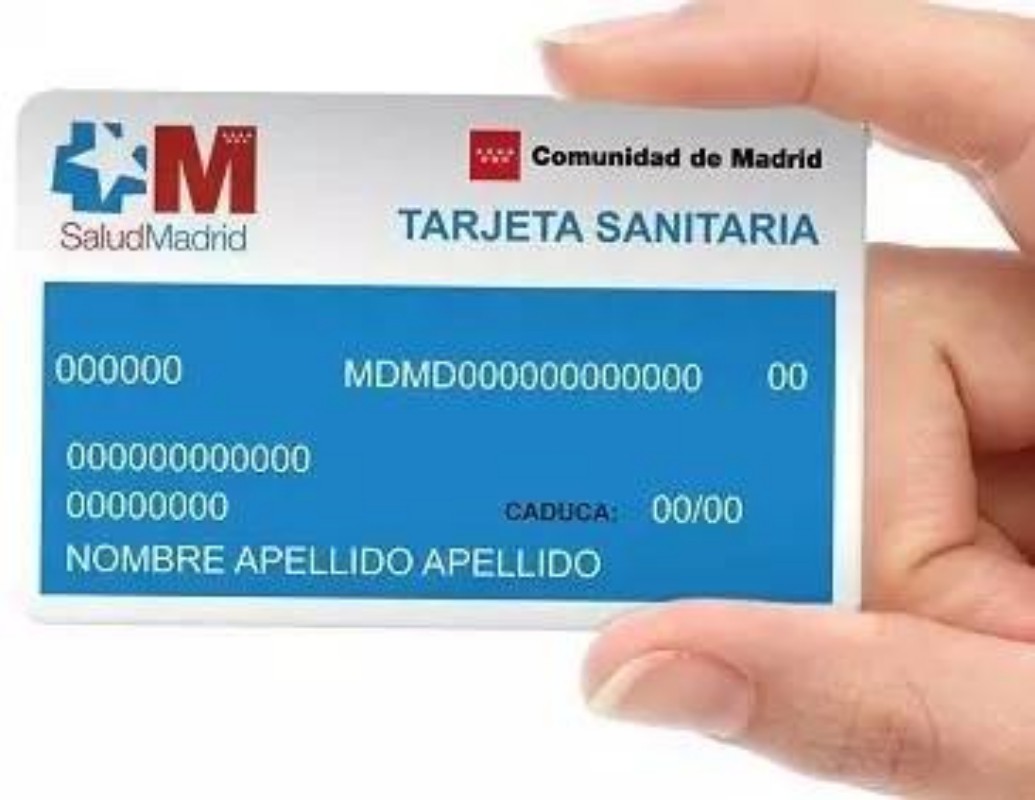
When talking about Spain’s social benefits, public healthcare is a topic you can’t avoid. As long as you have legal residency and contribute to social security, you can apply for a health card (tarjeta sanitaria) and access the free public healthcare system. As soon as I got my residency card, I registered at my local health center (centro de salud) and was assigned a family doctor (médico de cabecera).
For minor issues like a cold or fever, you first make an appointment with your family doctor. It’s quite convenient; you can call or use a mobile app. The downside, however, is that the waiting times can be really long. It might take a few days to see a family doctor, and it’s common to wait a month or two, or even longer, for a specialist appointment—a known aspect of the system that’s often discussed alongside topics like [Spanish medical education]. However, if it’s an emergency (urgencias), as this [guide to living in Spain] explains, the service is quite fast. My child once had a high fever in the middle of the night, and we went straight to the public hospital’s emergency room. From triage to the doctor’s examination and tests, the whole process was well-organized, even though it was crowded. In the end, we didn’t pay a single cent for the visit, only for the prescription medicine. It was very reassuring.
Children’s Education: Public, Private, or Semi-Private (Concertado)?
My child’s education is a top priority. Spain’s education system is mainly divided into three types: public, semi-private (concertado), and private. I spent a lot of time researching their differences and asked many local friends, so I’ve summarized it in a simple table for your reference:
| School Type | Cost | Language of Instruction | Features |
|---|
| Public School (Público) | Free | Mainly Spanish | Enrollment is based on your residential zone. Diverse student body. Teacher turnover can be relatively high, a point of discussion similar to staffing in other public systems, like that for [Spanish medical education]. |
| Semi-Private School (Concertado) | Subsidized by the government, lower fees | Mainly Spanish, some are bilingual | Often have a religious background. Generally good teaching quality. Admission requires an application and is based on a points system. |
| Private School (Privado) | Expensive | Often English/bilingual instruction | Excellent facilities, wide range of courses, highly international. |
Based on our address and budget, our family ultimately chose a public school near our home that seems quite good for now. The idea is to let our child immerse in the language environment first and then see how things go. I feel there’s no absolute right or wrong choice; it really depends on your family’s plans and your child’s ability to adapt. I also have friends who chose a semi-private school and their feedback is positive, mentioning that it’s well-managed with a good academic atmosphere.
Spain’s healthcare and education resources are indeed abundant, but they are very different from what we might have been used to. The public system emphasizes fairness and universal access, but often at the cost of efficiency. The private system, on the other hand, offers more personalized and efficient options but requires financial means. For friends who are new here, it’s a good idea to plan ahead based on your specific circumstances. Feel free to share your own experiences and join the discussion below!
