When I first came to Spain, I often heard people call it a ‘paradise for the lazy,’ with benefits so good you wouldn’t want to work. After living here for a few years, I want to share my first-hand experiences with Spain’s healthcare, education, and various social benefits from the perspective of an ordinary resident. Hopefully, this can be a useful reference for newcomers.
Healthcare Experience: Free but Requires Patience
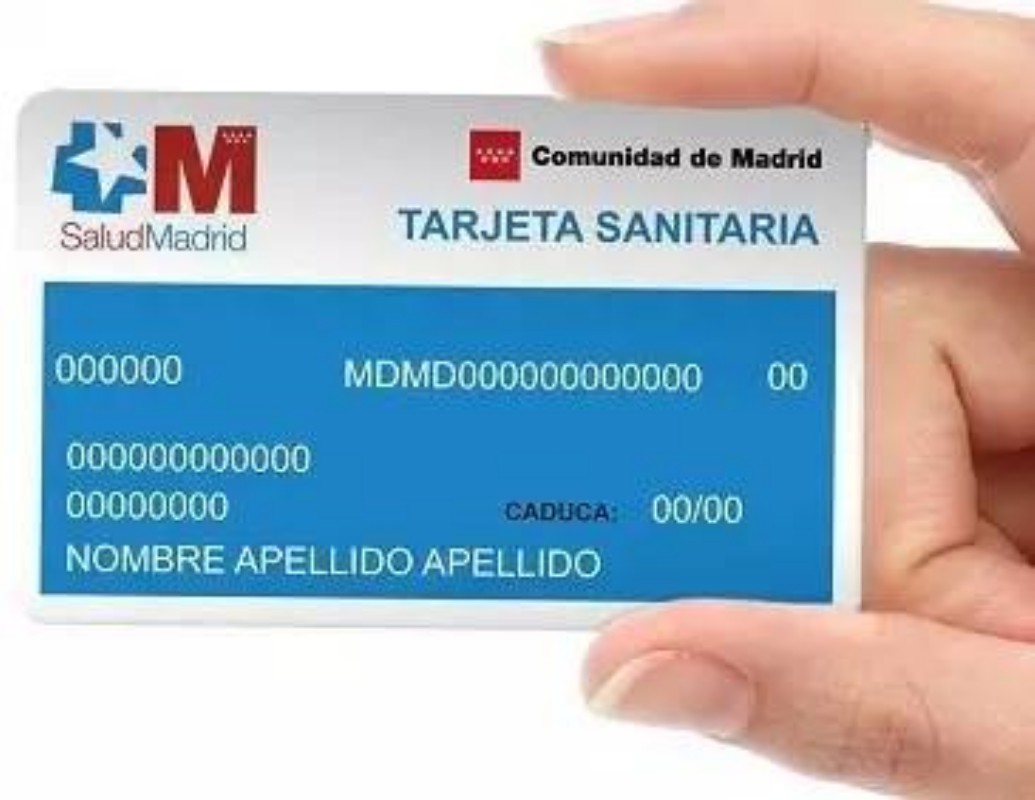
Spain’s public healthcare system is indeed free for everyone; as long as you’re registered with social security, doctor’s visits, hospital stays, and surgeries are essentially free of charge. For minor issues like a headache or a cold, you just make an appointment with your family doctor at the local health center. However, the price of ‘free’ is ‘waiting.’ It’s common to wait for months for a specialist appointment or an ultrasound. While emergency room waits aren’t quite as long, you’ll still wait several hours unless it’s a life-threatening situation. The practical realities of the public system are a key topic in Spanish medical education. Because of these delays, many families who can afford it opt for private health insurance, mainly for the speed.
Educational Resources: Free Public Schools, Plenty of Private/Semi-Private Options
A child’s education is a top priority. In Spain, public education is free from kindergarten through high school; you only need to pay for textbooks and meals. Teachers in public schools are very dedicated, focusing more on fostering creativity and independent thinking rather than exam-taking skills. However, the quality of facilities and resources can vary significantly between public schools, and spots in the better ones are highly sought-after, requiring you to queue based on a point system for your school district. If you want your child to receive a more elite or international education, a topic covered in any good [Guide to Living in Spain], you can also opt for private or semi-private (concertado) schools. The latter are partially subsidized by the government, making their fees more affordable.
Comparison of Main Education Types
| Education Type | Pros | Cons |
|---|
| Public Schools | Completely free, focuses on holistic development | Uneven resources, difficult to get into popular schools |
| Semi-Private (Concertado) | Lower tuition, guaranteed teaching quality | Limited spots, many have a religious affiliation |
| Private Schools | Good facilities, more international curricula | Not cheap Very expensive |
Social Benefits: Unemployment and Pensions
Besides healthcare and education, what people are often most curious about are unemployment benefits and pensions. As long as you have contributed to social security for the required amount of time, you can claim unemployment benefits if you lose your job involuntarily. The amount and duration are based on your previous contribution record, and it’s enough to help you through the transition period while you look for a new job. Pensions work on a similar principle: the longer you contribute and the higher your contributions, the more you will receive in retirement. This system provides a crucial safety net for workers.
Spain’s welfare system truly provides a strong safety net for the average person’s life. It’s not perfect, especially when it comes to efficiency, but it ensures that everyone has access to basic healthcare and educational rights. For ordinary people like us living here, and for those exploring topics like [Spanish medical education], this sense of security is perhaps the greatest benefit of all. If you have different experiences, feel free to share and discuss!
