Falling ill is often the biggest worry when you’ve just moved to Spain. The language barrier and unfamiliar procedures can be overwhelming. I recently caught a seasonal cold and went through the entire public healthcare process, so I’ve put together this guide to share with other newcomers, hoping it helps you avoid common pitfalls.
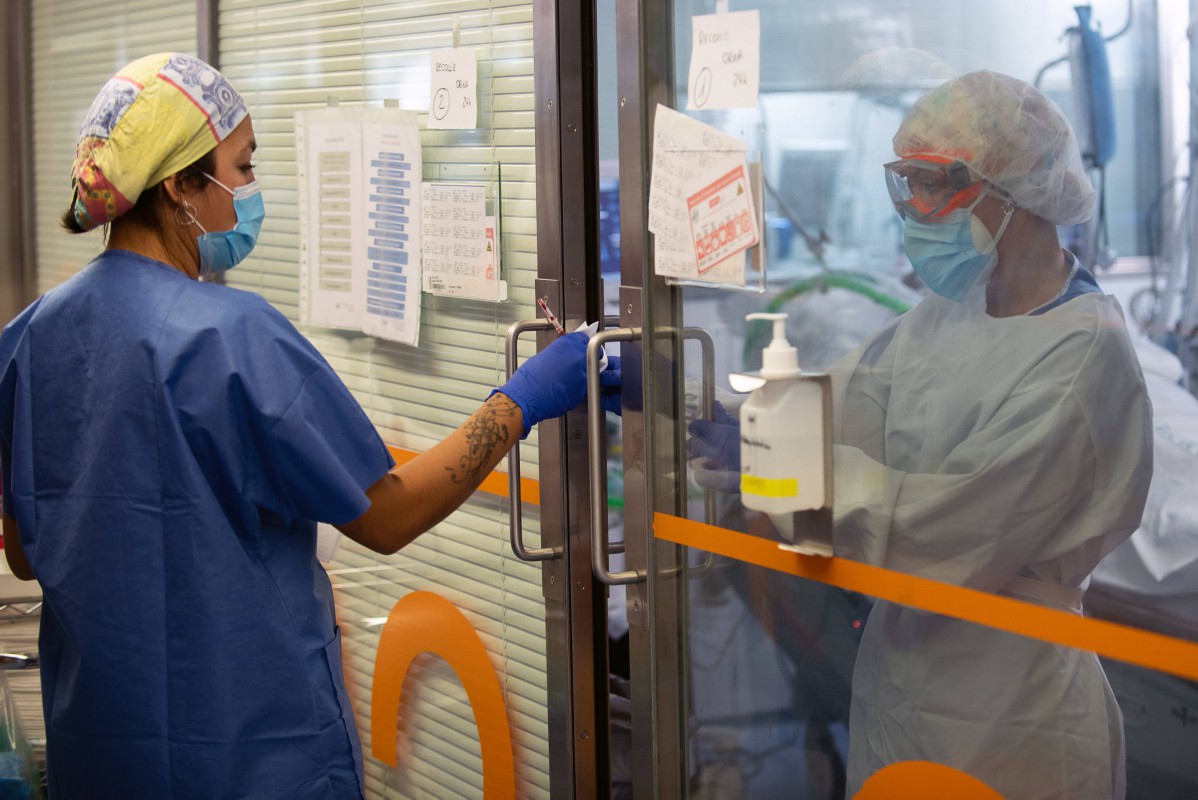
Public Healthcare System: The Process of Seeing a Doctor
If you have social security, the public system is your first choice for medical care, as it’s free. However, the process can be a bit more complex. The key is to first see your family doctor (GP).
Step 1: Booking an Appointment with Your Family Doctor
Once you get your health card (tarjeta sanitaria), it will assign you to a local health center (centro de salud) and a family doctor. The first step to seeing a doctor is to book an appointment with them. There are several ways to do this, so choose the one most convenient for you:
- By Phone: Call your health center directly and provide your social security number or NIE.
- Via App: Each autonomous community has its own health app, such as “Cita Sanitaria Madrid” in Madrid or “La Meva Salut” in Catalonia. Download the app, link your health card, and you can easily choose an appointment time. Highly recommended!
- Online: Similar to the app, you can book by logging into the official health portal of your autonomous community.
- In Person: If you live nearby, you can also go directly to the reception desk at your health center to book.
Step 2: Consultation and Referral
Go to the health center at your scheduled time, check in at the reception desk or a self-service kiosk, and wait to be called. The family doctor will perform an initial diagnosis and prescribe common medications. If they determine you need to see a specialist, such as a dermatologist or ophthalmologist, they will issue a referral. After this, the hospital will notify you of the specialist appointment via mail, SMS, or the app; note that the wait can be quite long, so be prepared. For minor issues, the family doctor’s prescription is all you need to get your medicine. While the public system is mostly free, some situations may involve payments, for which you can learn about Spanish medical reimbursement or how to get a [medical refund].
| Medical Stage | Key Features | Notes |
|---|
| Booking a Family Doctor | Free, but requires an appointment | First choice for common illnesses like colds and fevers |
| Seeing a Specialist | Requires a referral from a family doctor | The waiting time can be long |
| Emergency Room (Urgencias) | For urgent situations | Do not misuse for non-emergencies |
About the Emergency Room and Buying Medicine
If you have an emergency, such as a high fever that won’t break in the middle of the night or an accidental injury, go directly to the hospital’s emergency room (Urgencias). No appointment is needed; just bring your health card or residence card (TIE). However, be aware that triage in the ER is strict. A nurse will assess the severity of your condition to determine the order of treatment—it’s not first-come, first-served. So, if you go for a simple cold, you might end up waiting for a very long time.
Finally, let’s talk about [buying medicine in Spain]. Pharmacies (farmacias), marked by a green cross, are everywhere. You can buy prescription drugs with a doctor’s electronic or paper prescription, for which you’ll need to co-pay a portion of the cost. Over-the-counter medications like ibuprofen and paracetamol can be purchased directly. Note that antibiotics can only be obtained with a doctor’s prescription.
Once you’re familiar with the process, seeing a doctor in Spain isn’t so daunting. See your family doctor for minor illnesses, follow the referral plan for more serious conditions, and go to the ER for emergencies. I hope this guide helps you stay prepared and healthy!
