I recently moved to Madrid and, thanks to some seasonal allergies, got a full tour of the Spanish healthcare system. I’ve seen on forums that many newcomers are unsure about how to see a doctor here, so I decided to start a thread to share the [Spanish medical information] I’ve gathered and my own experiences. I hope it helps! If I’ve gotten anything wrong, I welcome corrections from the veterans here!
First Things First: The Health Card (Tarjeta Sanitaria)
To access Spain’s free public healthcare, the very first step is to apply for a health card. It’s the equivalent of a national insurance card; you need it for everything from seeing a doctor to getting prescriptions. As long as you have legal residency and are contributing to social security, you can apply at your local health center (centro de salud). Just bring your residence card, proof of address (empadronamiento), and a document with your social security number. After filling out a form, the card will be mailed to your home. While you wait, you’ll receive a temporary paper certificate that works just the same. And if you move, don’t forget you’ll need to update your health card information!
How to Use the Public Healthcare System
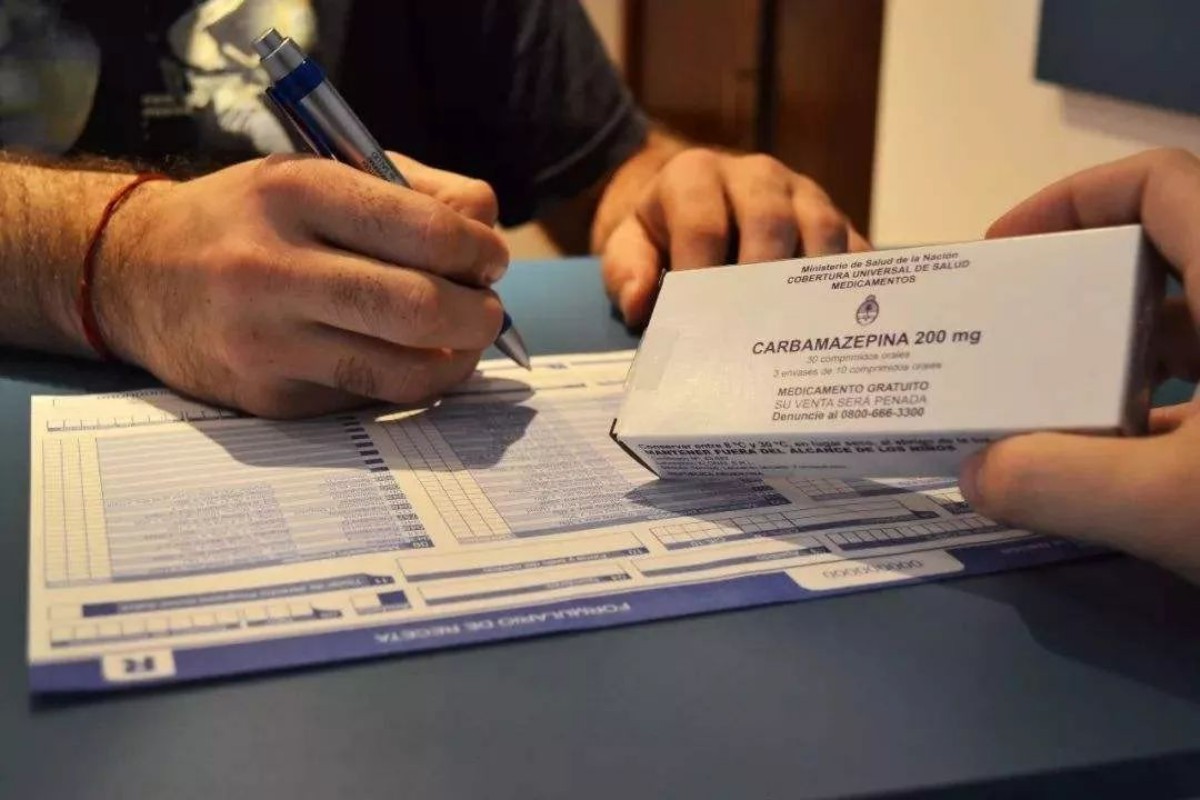
Once you have your health card, you’ll be assigned a family doctor (médico de cabecera). If you’re feeling unwell, you don’t go straight to the hospital; instead, you first book an appointment with your family doctor. Booking is easy these days—you can do it through a mobile app or by phone. The family doctor will make an initial diagnosis, prescribe common medications, or, if necessary, refer you to a specialist. This referral process can involve a wait; sometimes it takes several months for popular specialties, which is one of the main drawbacks of the public system. The upside, however, is that besides a small co-payment for prescriptions, consultations and tests are generally free.
Is Private Health Insurance Worth It?
If you don’t want to wait a long time to see a specialist or you prefer a more comfortable medical environment, getting private health insurance is a great option. Many companies even offer it as an employee benefit. With private insurance, you can directly book appointments with any specialist within your provider’s network, bypassing the need for a referral and significantly cutting down on waiting times. Private plans also typically cover a wider range of services and offer access to better hospital facilities. Of course, you get what you pay for, which means a monthly premium. Some of my friends have both, using the public system for minor issues and their private plan for urgent matters or when they need to see a specialist quickly.
| Comparison | Public Healthcare | Private Insurance |
|---|
| Cost | Mostly covered by social security, with a co-payment for prescriptions | Monthly premium; some services may have a co-payment (copago) |
| Appointments | Book with a family doctor, who then provides a referral | Directly book with any specialist in the network |
| Waiting Time | Long, especially for specialists and non-urgent surgeries | Very short, flexible access to care |
| Pros | Broad coverage, guarantees care for major illnesses | High efficiency, better service, more choice |
Overall, Spain’s healthcare system is quite impressive. Public healthcare provides a fundamental safety net, ensuring everyone can afford medical treatment, while private insurance offers a more efficient and comfortable supplementary option. For all the newcomers, make sure getting your health card is your top priority—it’s your most basic form of coverage, and remember to keep track of any [health card information changes]. As for whether to buy private insurance, it really depends on your personal needs and budget. What did you all choose? Let’s discuss it in the comments!
