For those new to Spain, does the thought of seeing a doctor feel a bit overwhelming? The healthcare system here can be quite different from what you’re used to. Don’t worry, today we’re diving into the Spanish healthcare system to give you a clear breakdown of both public healthcare and private insurance!
Public Healthcare System
First, let’s talk about what most people are curious about: public healthcare. Spain’s public healthcare system is a universal benefit. As long as you have legal residency and are registered with Social Security, you can apply for a health card. With this card, you can receive free consultations, tests, and even hospitalization and surgery at your assigned local health center and public hospitals. When I first arrived, this little card was a lifesaver for a few bouts of colds and fevers.
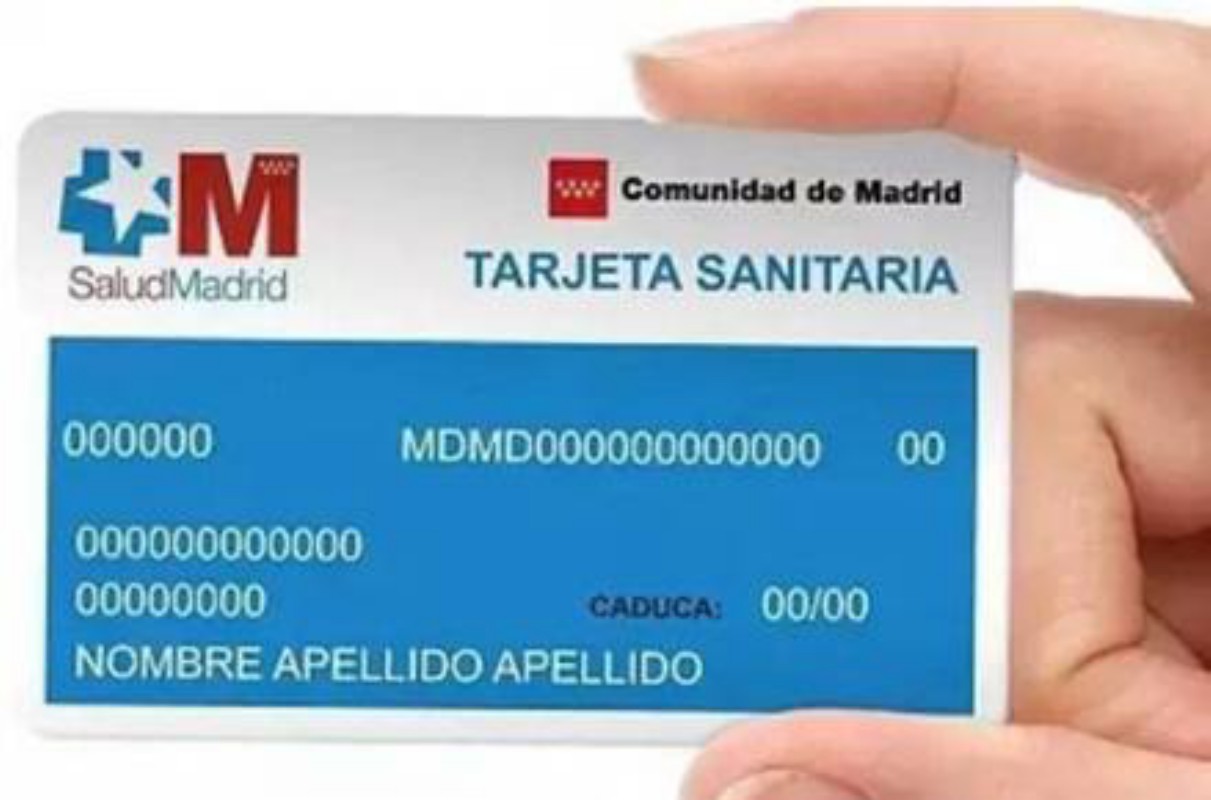
To apply for the health card, you’ll typically need your residence card (TIE/NIE), proof of address (empadronamiento), and your Social Security registration document. Just take them to your nearest Centro de Salud. However, the biggest drawback of public healthcare is that it’s slow! Booking an appointment with a general practitioner might take a few days, and if you need to see a specialist, waiting several months or even longer is commonplace. For non-urgent yet annoying conditions like skin issues or allergies, about which you can find more in this guide to [Spanish medical information], the waiting process can be truly agonizing.
Private Health Insurance
Precisely because public healthcare can be slow, many people with a bit of a budget opt to purchase private health insurance. It’s like a ‘fast pass’ for your health. With private insurance, you can directly book appointments with any doctor at a private hospital, with virtually no waiting time. Getting tests and seeing specialists is incredibly fast. Last year, I had a knee problem and used my private insurance to see an orthopedic specialist. It only took three days from booking the appointment to seeing the doctor—the experience was fantastic! Of course, this comes at an extra cost. Monthly premiums can range from a few dozen to over a hundred euros, depending on your age and the coverage plan.
Public vs. Private Healthcare
To give you a clearer picture, here’s a simple table comparing the main differences between the two:
| Feature | Public Healthcare | Private Healthcare |
|---|
| Cost | Mostly free | Requires monthly or annual premium payments |
| Waiting Time | Long, especially for specialists | Very short, flexible appointments |
| Choice of Hospitals | Assigned local health centers and public hospitals | Access to a network of private hospitals |
| Scope of Services | Comprehensive, but long waits for major issues | Broad coverage, excellent service experience |
| Best For | Everyone, especially for emergencies and chronic disease management | Those who value efficiency, have the budget, or have specific needs |
Public healthcare is the basic guarantee, while private insurance is an upgrade for efficiency and experience. For most international students or young professionals, who often have to deal with administrative tasks like updating your health card information, getting a public health card first is a good precaution. If your budget allows or if you need fast access to care, adding a private insurance plan is highly recommended. Many of my friends use a “public + private” dual insurance model: they use private insurance for minor ailments that need a quick resolution, and for major problems, the public system provides the ultimate safety net, which includes understanding processes like [health card information changes]. You should choose based on your own situation. We hope this information is helpful to you!
