When I first came to Spain, I often heard that the public healthcare system was a free ‘paradise’. But after living here for a while, I’ve heard more and more complaints from friends, with the most common ones being ‘waiting half a year for a specialist appointment’ and ‘waiting an eternity in the emergency room’. So, is the Spanish healthcare system really so strained and inadequate for things like healthcare immigration? Today, I want to share my honest feelings from the perspective of an ordinary resident.
Public Healthcare: A Love-Hate Relationship with Waiting
To be honest, for minor, everyday ailments, the public healthcare system is quite convenient. You have your own family doctor (GP), and you can book appointments through a mobile app. For common colds, fevers, or getting regular prescriptions, you can usually see a doctor within a few days, which is a good experience. The problem arises when you need to see a ‘specialist’. For example, I had a skin allergy, and my family doctor thought I should see a dermatologist. After the referral, the appointment date I received was three months away. This kind of wait is acceptable for non-urgent situations where you might just need Spanish medical supplies, but if the condition is particularly distressing, it can feel like an eternity, especially if you’re trying to find [scarce medicines in Spain].
The Reality of the Emergency Room
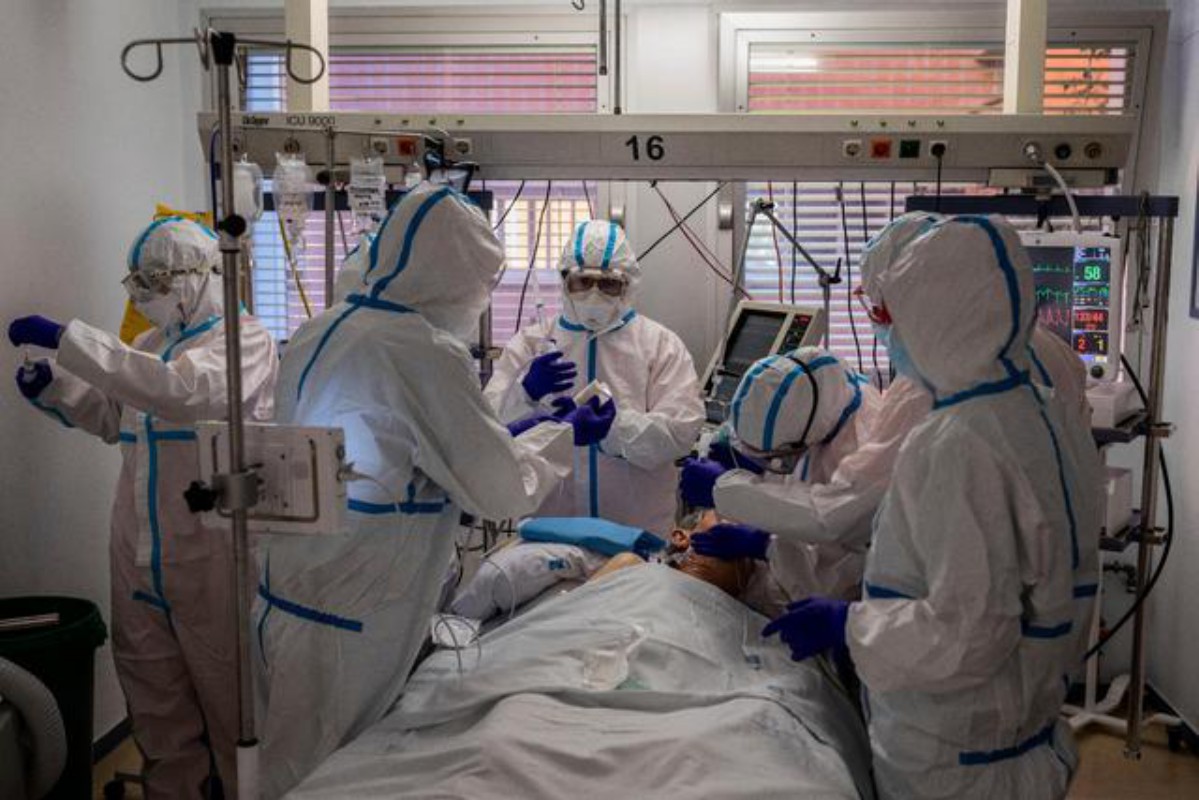
As for the emergency room (ER), that’s the ultimate test of patience. Unless you’re bleeding profusely or have an obviously severe condition, a nurse will triage you based on your situation. Most people are assigned a lower priority level, which is followed by a long wait. A friend of mine once went to the ER for acute gastroenteritis at 10 PM and didn’t see a doctor until 3 AM. So, my advice is, unless it’s absolutely necessary, never use the ER for a non-emergency that a regular clinic could handle; otherwise, the waiting time will make you question your life choices.
| Medical Service | Public Healthcare | Private Healthcare |
|---|
| Family Doctor (GP) | Short wait time | Very short wait time |
| Specialist | Long wait time | Short wait time |
| ER Wait Time | Very long time | Relatively short time |
| Cost | Mostly free | Requires insurance; monthly or annual fee |
Private Insurance: Paying for Time and Efficiency
It’s precisely because of the ‘slowness’ of the public system that many people in Spain with stable jobs and incomes, myself included, choose to buy private health insurance. The biggest advantage of private insurance is ‘speed’. For that same dermatology visit, I used my private insurance and saw a specialist within a week. For tests like an ultrasound or MRI, you might wait months in the public system, whereas with private insurance, it can be done in a few days. This isn’t to say that private doctors are more skilled than public ones, but rather that you’re paying for the privilege to ‘skip the line’. Of course, the insurance premium is a significant expense, ranging from a few dozen to over a hundred euros per month, depending on the plan.
So, is Spanish healthcare really under strain? My answer is: it depends. For major illnesses and life-threatening emergencies, the public system remains a solid safety net; they won’t let you die just because you can’t pay. However, for those non-fatal ‘minor issues’ that still affect your quality of life, the inefficiency of the public system can be a real headache. Therefore, if your financial situation allows, getting a private insurance plan as a supplement can definitely and significantly improve your healthcare experience in Spain. What have your experiences been like? Feel free to share and discuss in the comments below!
