I moved to Spain not long ago and recently caught a cold. I went to a pharmacy to buy some medicine but found it was completely different from what I expected. It’s not as straightforward as in some Asian countries, as many drugs require a doctor’s prescription. I’m sure many of you have faced similar situations, so I’m starting this thread to discuss how to buy medicine in Spain and what essentials you should keep at home for emergencies, including tips on [buying medicine in Spain].
Understanding Spain’s Pharmaceutical Categories
In Spain, the regulation of pharmaceuticals is very strict. They are generally divided into two main categories:
- Over-the-counter (OTC) drugs: These can be purchased directly from a pharmacy (farmacia), including mild painkillers, cold remedies, cough syrups, vitamins, or antiseptics for minor cuts. However, even for OTC drugs, the pharmacist may ask about your symptoms to offer professional advice.
- Prescription drugs: This category includes the vast majority of medications, such as antibiotics, most blood pressure medications, and strong allergy medicines. You must have a doctor’s prescription to purchase them. When it comes to [buying medicine in Spain], if you have public or private health insurance, you’ll need to see a general practitioner (GP) or a specialist first. They will diagnose you and issue a digital or paper prescription, which you can then take to the pharmacy to get your medication.
Common Drugs: English-Spanish Reference
To make things easier, I’ve put together a simple table listing some common OTC drugs and their Spanish names. You can just show this to the pharmacist.
| English | Spanish | Common Brands/Ingredients | Use |
|---|
| Painkiller/Fever Reducer | Analgésico/Antipirético | Paracetamol / Ibuprofeno | Headache, fever, muscle aches |
| Cough Syrup | Jarabe para la tos | Bisolvon / Propalcof | Cough, phlegm |
| Throat Lozenges | Pastillas para la garganta | Strepsils / Lizipaína | Sore throat, itchy throat |
| Band-aids / Plasters | Tiritas | Tiritas | Minor cuts, scrapes |
| Antiseptic | Antiséptico | Betadine / Cristalmina | Wound disinfection |
Recommended Home First-Aid Kit Checklist
Given the potential difficulty in buying medicine, having a first-aid kit at home is crucial. You can gradually stock up by visiting a pharmacy, just in case of an emergency late at night or on a holiday. Here are my personal suggestions, and feel free to add more:
- Pain and Fever: Ibuprofen and Paracetamol are must-haves. Ibuprofen is better for anti-inflammatory pain relief, while Paracetamol is primarily for reducing fever and general pain.
- Colds and Allergies: A nasal decongestant spray and some antihistamines are good to have, especially during pollen season.
- Digestive Health: Anti-diarrhea medication and digestive aids, in case you have an upset stomach from new food or water.
- Wound Care: Antiseptic spray, cotton swabs, gauze, bandages, and plasters/band-aids of various sizes.
I used to think I’d never need them, but I realized how important they were after cutting my hand while cooking.
- Other Essentials: A thermometer, small scissors, tweezers, and ointment for insect bites.
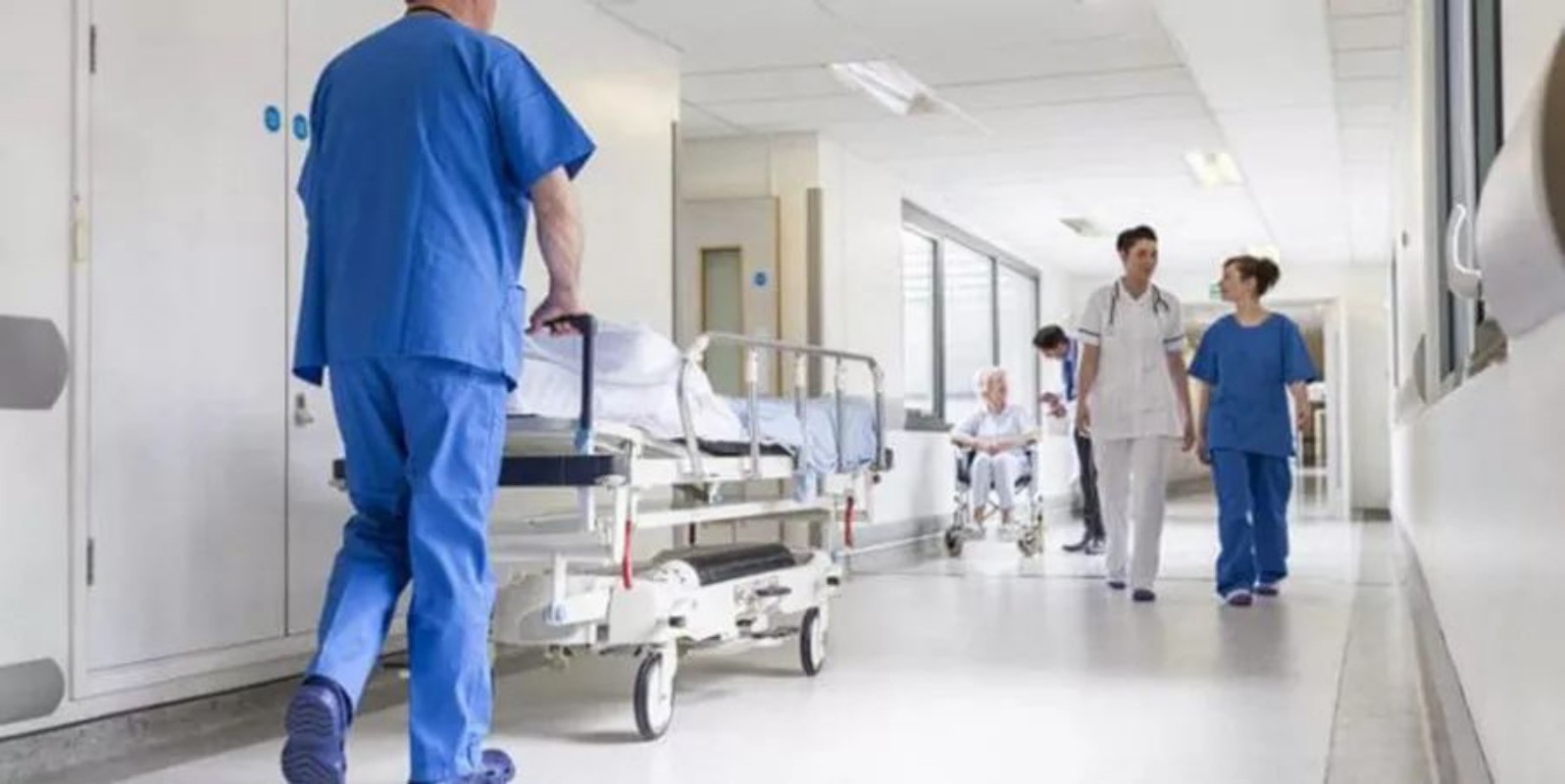
In Spain, for minor aches and pains, you can always consult a pharmacist first—they are very professional. However, if your situation is more complex or doesn’t improve, be sure to make a doctor’s appointment promptly. I hope this post helps everyone, and I welcome all experienced members to share more tips on seeing a doctor and buying medicine in Spain, as well as their experiences with healthcare in Spain in general!
