When I first moved to Spain, my biggest worry was what to do if I got sick. The language barrier and an unfamiliar system were daunting. After a few years of experiencing both the public and private systems, I’ve learned a thing or two. I’m writing this post to share my thoughts, purely based on personal experience, and I welcome everyone to discuss and add their own insights.
Spain’s Healthcare: A Dual Public and Private System
Spain has a dual healthcare system, with public and private options running in parallel. As long as you have legal residency and contribute to social security, you’re entitled to free public healthcare services. Doctor’s visits, hospital stays, and surgeries are generally free of charge, though you do have to co-pay for prescriptions. Private healthcare, on the other hand, requires purchasing a commercial insurance plan. The advantages are faster appointments, better service, and more comfortable facilities—think of it as a premium or VIP service.
Public Healthcare: Free, but Patience is a Virtue
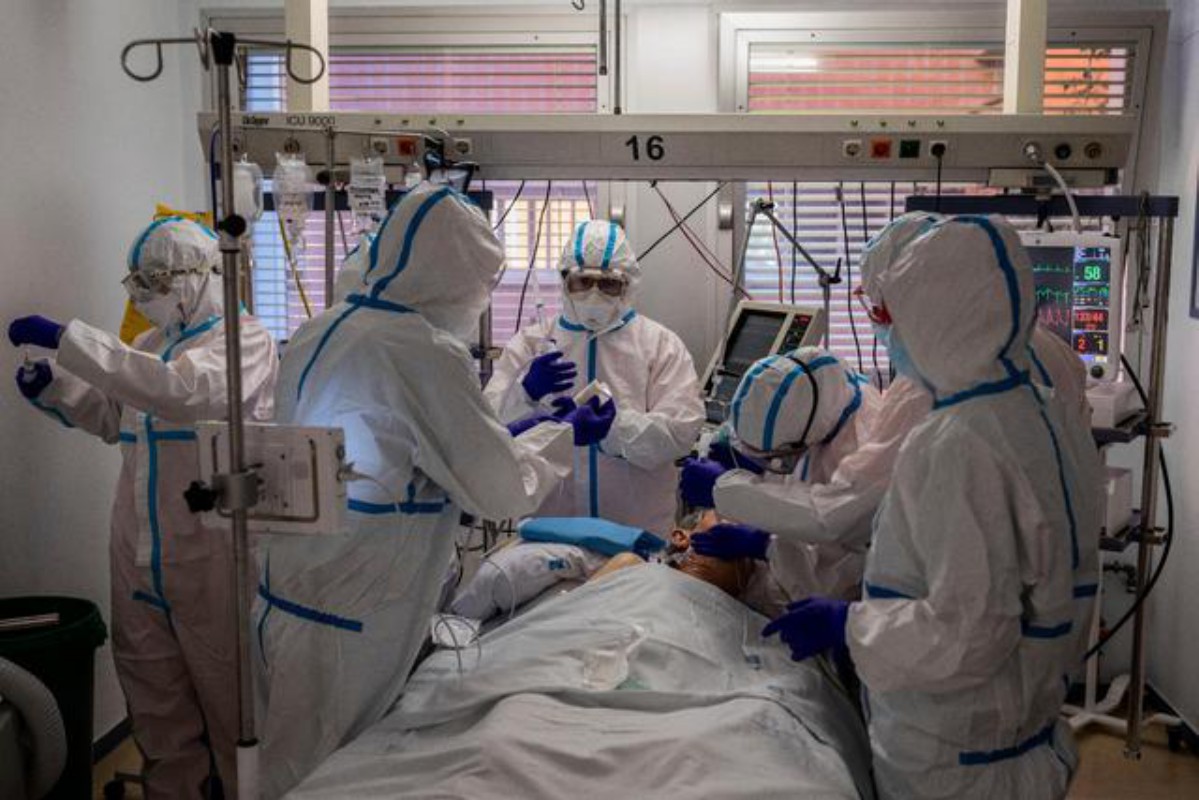
The cornerstone of the public system is your family doctor (GP). For any health issue, your first step is to book an appointment with your GP at the local health center (centro de salud). They can handle minor ailments directly. If you need further tests or a specialist, they will give you a referral. The waiting time for these referrals… well, it can be incredibly long. It’s common to wait several months for an appointment with a popular specialist. However, for emergencies, you can go directly to the hospital’s emergency room (urgencias), and they are quite fast, so no need to worry there. Overall, public healthcare is great for non-urgent routine check-ups and managing chronic conditions—after all, the fact that it’s free is a major perk!
Private Healthcare: Paying for Speed and Comfort
If you have private health insurance, the experience is much better. You can book specialist appointments directly through the insurance company’s app or website, bypassing the need for a GP referral. This is much faster, and you can usually get an appointment within a week or two. Moreover, the environment and service in private hospitals offering great Spanish healthcare are superior. They have more English-speaking doctors, which is a big help for those whose Spanish isn’t fluent, and you can even research top facilities using Spanish medical rankings. I once had an acute allergic reaction and used my private insurance to book a dermatologist. I was seen the same day—the experience was top-notch. Here is a simple comparison I’ve put together:
| Feature | Public Healthcare | Private Healthcare |
|---|
| Cost | Mostly free | Pay annual/monthly insurance premium |
| Appointment Speed | Slower, requires waiting for specialists | Fast, direct access to specialists |
| Choice of Doctor | Assigned by system, limited choice | Free choice within insurance network |
| Service & Environment | Basic, often crowded | Superior, more private |
| Best for | Chronic conditions, routine check-ups, emergencies | Efficiency, specialist needs, language barriers |
Spain’s healthcare system is quite comprehensive. For most people, public healthcare is generally sufficient for everyday needs, but if your budget allows, you value efficiency, or face a language barrier, getting a private insurance plan with the right insurance certifications as a supplement can provide significant peace of mind while living in Spain. How did you make your choice? Feel free to share your experiences in the comments below!
