When I first moved to Spain, I often heard that the public Spanish healthcare system was free but inefficient, which always made me a bit apprehensive. Recently, a family member had to go through the full emergency, surgery, and hospitalization process for acute appendicitis. This gave me a firsthand look at Spanish hospital rooms, and today I’d like to share my experience to help others who might need it.
What’s the Room Environment Like?
For our healthcare in Spain experience, we were admitted to a large public hospital and assigned a double room. The room was quite spacious and bright. Each patient had their own bed, a bedside table, a pull-around curtain for privacy, and a small wardrobe. The beds were electric and adjustable, with a call button and light switch conveniently located nearby. What surprised me most was that each bed had a small TV, but you had to buy a prepaid card to watch it, which reminded me of the old pay-per-use systems in university dorms, haha. The bathroom was shared between the two patients and located inside the room. It was cleaned very frequently, which gets a big thumbs-up from me. I’ve heard that some hospitals or certain wards have single rooms, reflecting different Spanish hospital room design philosophies, but they are usually reserved for more serious cases or available as a paid upgrade. In our situation, we were directly assigned a double room.
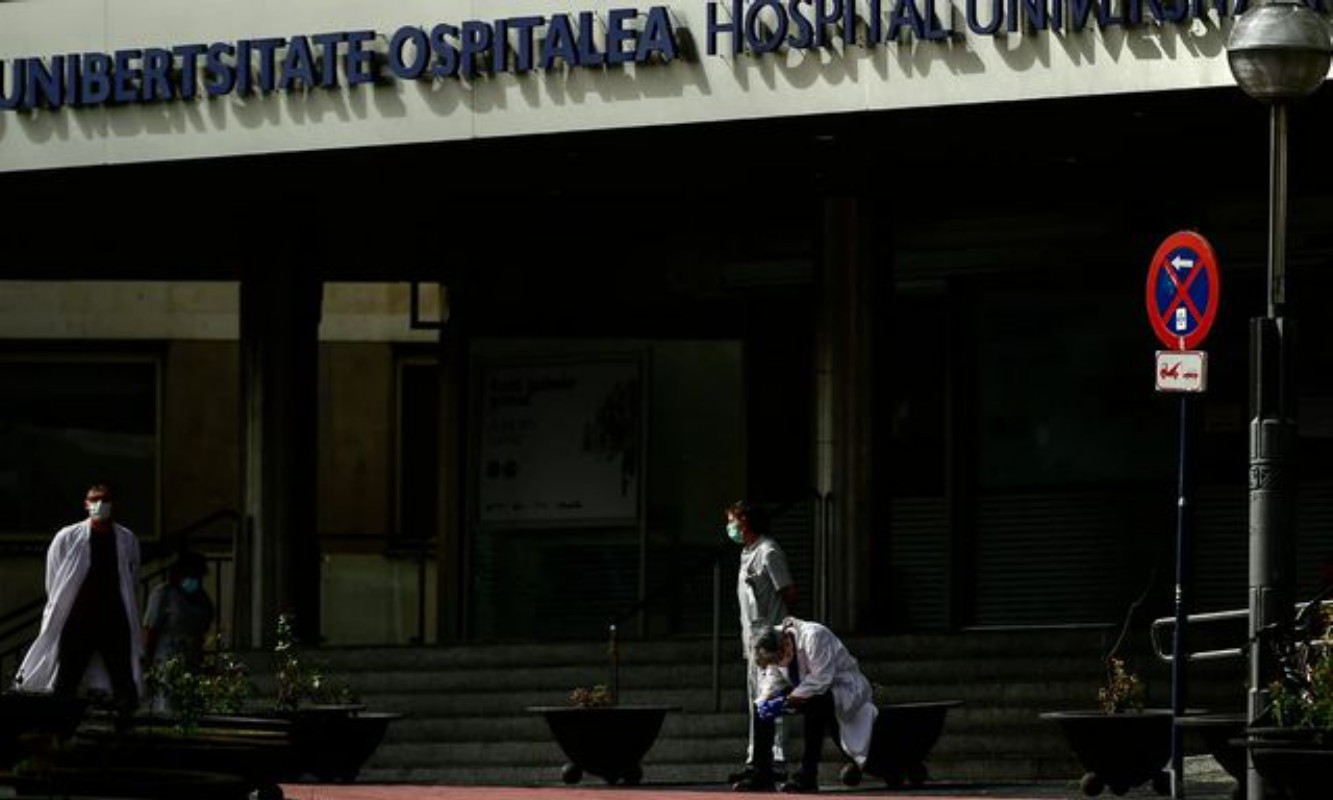
Food, Drinks, and Visiting During Your Stay
Three meals a day are included during the hospital stay. A nurse gives you a menu a day in advance to choose from, based on your preferences and the doctor’s orders. To be honest, don’t expect gourmet food; the meals are focused on being bland and healthy. For a patient, however, this diet is actually the most sensible. Visiting hours are set, usually in the afternoon and evening, and the number of visitors is restricted to one or two people at a time. It’s important to be aware of this, so don’t show up with a large group of friends, or the nurses will ask them to leave. After visiting hours, only one family member is allowed to stay overnight, and a folding sofa bed is provided for them.
Costs and Discharge
Now for the most asked-about topic: the cost. Since we have our public health cards, the entire process—from the emergency room, tests, and surgery to the several days of hospitalization, including meals and medication—was completely free. At discharge, all we had to do was sign some papers; we didn’t spend a single cent. Of course, personal expenses like the TV card or snacks and coffee from the downstairs vending machines or café are on you. The discharge process was also simpler than I expected. Once the doctor confirmed the patient’s recovery was on track, they prepared the discharge papers and prescriptions for follow-up medication. A nurse then explained in detail the post-discharge care instructions, dressing change schedules, and follow-up appointments. After that, we were free to pack up and head home.
Overall, it was a pretty positive hospital experience. Although the wait time in the emergency room was indeed long, once admitted, the entire process was very professional and humane. Most of the medical staff were friendly and, despite being busy, very patient. Here’s a quick summary comparing single and double rooms for your reference.
| Feature | Double Room | Single Room |
|---|
| Allocation | Standard allocation, most common | Based on medical need or self-pay |
| Privacy | Lower, separated by a curtain | High, private space |
| Bathroom | Shared by two | Private |
| Cost | Free | May require extra payment |
I hope everyone stays healthy and never needs this article! But if you ever do, don’t be too anxious—the Spanish healthcare system is quite reliable.
