I’ve been lurking in the forums lately and noticed more and more people talking about starting a business or working in Spain. Coincidentally, I recently helped a friend with importing medical devices into Spain, and I ran into quite a few pitfalls, gaining some experience along the way. Since I haven’t seen a dedicated thread on this topic, I thought I’d get the ball rolling and share some solid info on Spanish medical device certification standards. Hopefully, this can help others in need.
Core Regulation: Goodbye MDD, Hello MDR
First things first, it’s crucial to understand that all medical device certification within the EU now follows a brand-new regulation: MDR (EU) 2017/745, the Medical Device Regulation. This regulation fully replaced the old MDD (Medical Device Directive) on May 26, 2021. If you’re still looking at MDD materials, you can pretty much toss them out; that information is obsolete. The MDR is much stricter than the MDD, especially regarding clinical evaluation, post-market surveillance, and traceability—the requirements are several levels higher. Simply put, the bar is higher, supervision is tighter, and cutting corners is nearly impossible.
Certification Process and Key Players
To legally sell your medical device product in Spain, the most critical step is obtaining the CE marking. The process generally looks like this:
- Determine Product Classification: Classify your product as Class I, IIa, IIb, or III based on the MDR’s risk levels. This classification is vital as it determines the subsequent certification path.
- Prepare Technical Documentation: This is the most crucial part of the entire process, including all documentation on product design, risk management, clinical evaluation, labeling, and instructions for use.
- Select a Notified Body: With the exception of a few Class I devices that can be self-declared, all other products must be audited by a Notified Body designated by the EU.
- Audit and Certification: The Notified Body will review your technical documentation and quality management system. Once approved—a process separate from other administrative steps like setting up a Convenio Especial—you will receive the CE certificate and can affix the CE marking to your product.
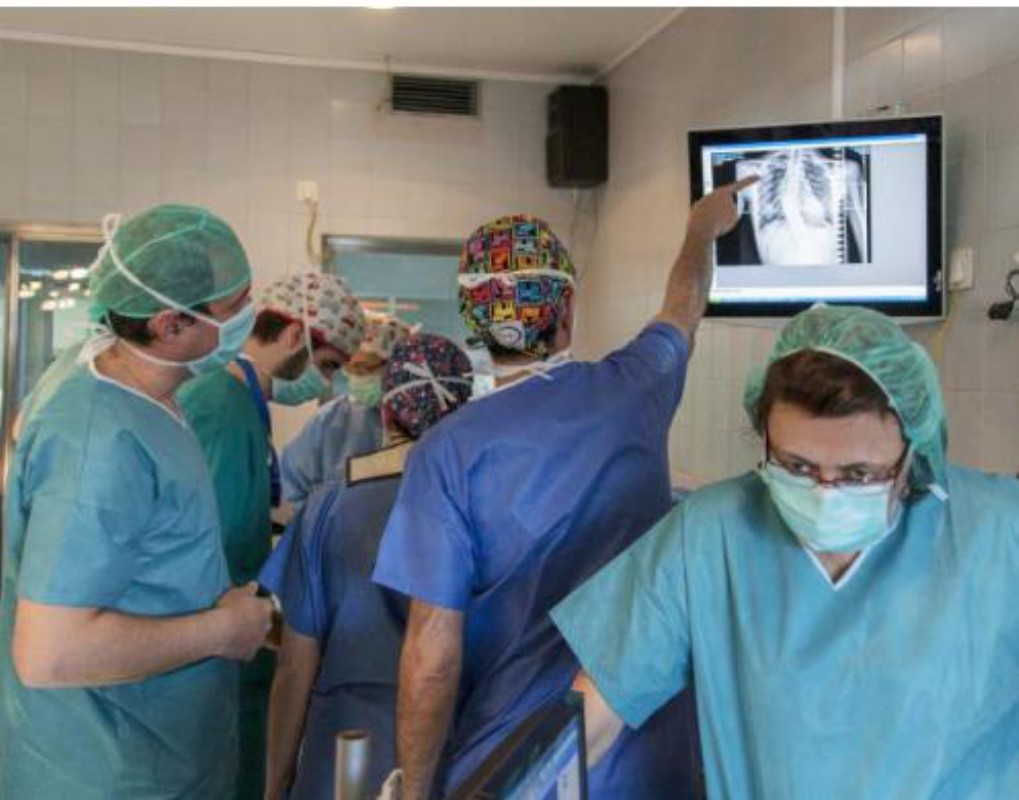
In Spain, the official body responsible for regulating medical devices is the AEMPS (Spanish Agency of Medicines and Medical Devices). Although the CE marking is valid throughout the EU, once the product enters the Spanish market, the manufacturer or their EU Authorized Representative must register it with the AEMPS. Don’t forget this step!
Overview of Medical Device Classification
I’ve simplified the MDR classifications below. You can use this table for a preliminary assessment of your product’s risk class. However, please note that this is a highly simplified version. The precise classification must be determined according to the 22 rules in Annex VIII of the MDR, or by consulting a professional.
| Risk Class | Common Product Examples | Conformity Assessment Route |
|---|
| Class I | Cotton swabs, wheelchairs, tongue depressors | Self-declaration |
| Class IIa | Hearing aids, dental materials, surgical gloves | Notified Body review of technical documentation and QMS |
| Class IIb | Ventilators, infusion pumps, condoms | Stricter Notified Body review |
| Class III | Artificial heart valves, implantable stents | Strictest review, typically requires clinical trials |
The entire process is highly technical, lengthy, and expensive—much like navigating other complex systems such as Spanish social security contributions. If you don’t have a professional background in this area, I suggest you don’t try to figure it out on your own and instead partner with a reliable consulting firm from the start. After all, time is money. If you have any specific questions, feel free to leave a comment below, and I’ll do my best to answer. Other experts are also welcome to chime in and add their insights!
