When I first came to Spain, I always heard that its healthcare benefits were world-renowned. But when it came to actually seeing a doctor, I discovered it’s not so simple. Public, private, commercial insurance… it was all a bit overwhelming. Recently, I chatted with some long-time expats and local friends, did some research, and today I’m sharing what I’ve learned to figure out what truly is the ‘best Spanish healthcare system’.
The Free (But Slow) Public Healthcare System
This is the system most people living in Spain are familiar with. As long as you have legal residency and contribute to social security, you can apply for a health card and enjoy free public medical services. The biggest advantage is that it’s almost entirely free! From seeing a family doctor to undergoing major surgery, the state basically covers the cost. But the disadvantage is just as obvious: it’s slow. It might take a week or two to get an appointment with your family doctor, and several months to see a specialist. It’s even normal to be on a waiting list for a year or two for non-emergency surgeries. For acute illnesses or situations requiring a quick diagnosis, the public system can be quite frustrating.
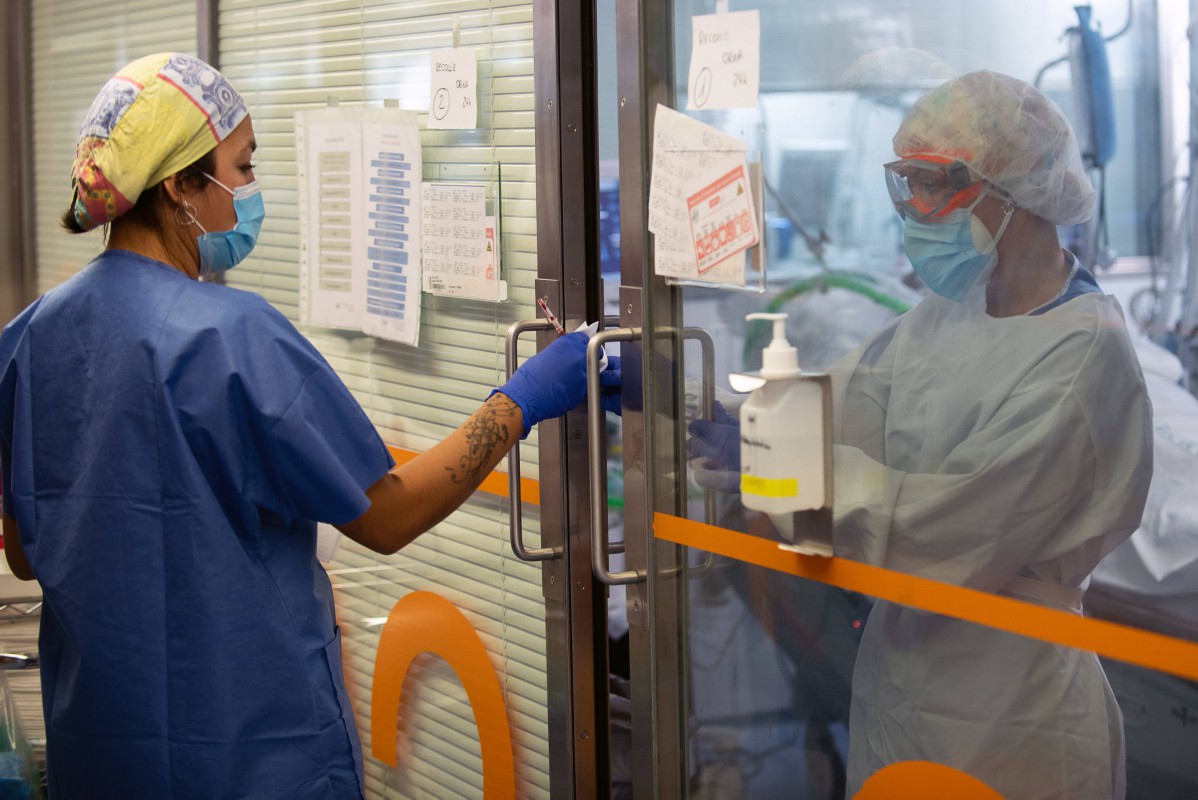
Paying for Efficiency: Private Healthcare
If you don’t want to wait, private healthcare is a great option. Spain has a very developed network of private hospitals and clinics. The service experience is usually much better than in the public system, with facilities that feel like hotels and friendly doctors and nurses. Most importantly, it’s efficient. Getting a same-day appointment with a specialist or scheduling surgery within a week or two is standard. Of course, all of this is based on a foundation of free money strong financial backing. A single private consultation can cost around €100, not to mention tests and surgeries, which can be very expensive. Therefore, paying out-of-pocket for private hospitals is really only suitable for the well-off.
The Smart Choice: Commercial Health Insurance
This is arguably the optimal solution that balances both efficiency and cost, and it’s why almost everyone applying for a residency permit buys a policy. By paying a monthly premium of a few dozen to over a hundred euros, you can access the private healthcare network. Consultations and tests are generally covered, appointments are fast, and the service is excellent. It’s not just an essential requirement for renewing residency, but also a huge safeguard for daily life. To help you navigate the world of Spanish healthcare and the various Spanish hospitals available, I’ve put together a brief summary of the features of a few major insurance companies for your reference:
| Insurance Company | Main Features |
|---|
| Adeslas | Spain’s largest health insurance company with the most extensive medical network and coverage. |
| Sanitas | Excellent service and reputation, with abundant resources, especially in the Madrid and Barcelona areas. |
| DKV | A German brand known for its thoroughness and quality of service, with a high degree of internationalization. |
| Asisa | Relatively competitive pricing, suitable for users looking for cost-effectiveness. |
There is no single ‘best’ healthcare system, only the one that is best for you. If you are a student or a salaried employee in good health, the combination of ‘commercial insurance + public health card’ is undoubtedly the most cost-effective choice. You can use your insurance for quick solutions to minor ailments, while the public system can serve as a solid safety net in case you face a complex condition requiring long-term treatment or major surgery in one of the best hospitals in Spain. What’s your choice? Feel free to leave a comment and join the discussion below!
