When I first arrived in Spain, my impression of its healthcare was “universal and free, but with incredibly long waiting times for appointments.” In recent years, through work-related connections with industry insiders, I’ve discovered that Spain’s healthcare sector is far more complex and dynamic than I had imagined. Today, I’d like to share a few interesting observations to get the conversation started and see what you all think.
The Public System is Good, but Private Healthcare is on the Rise
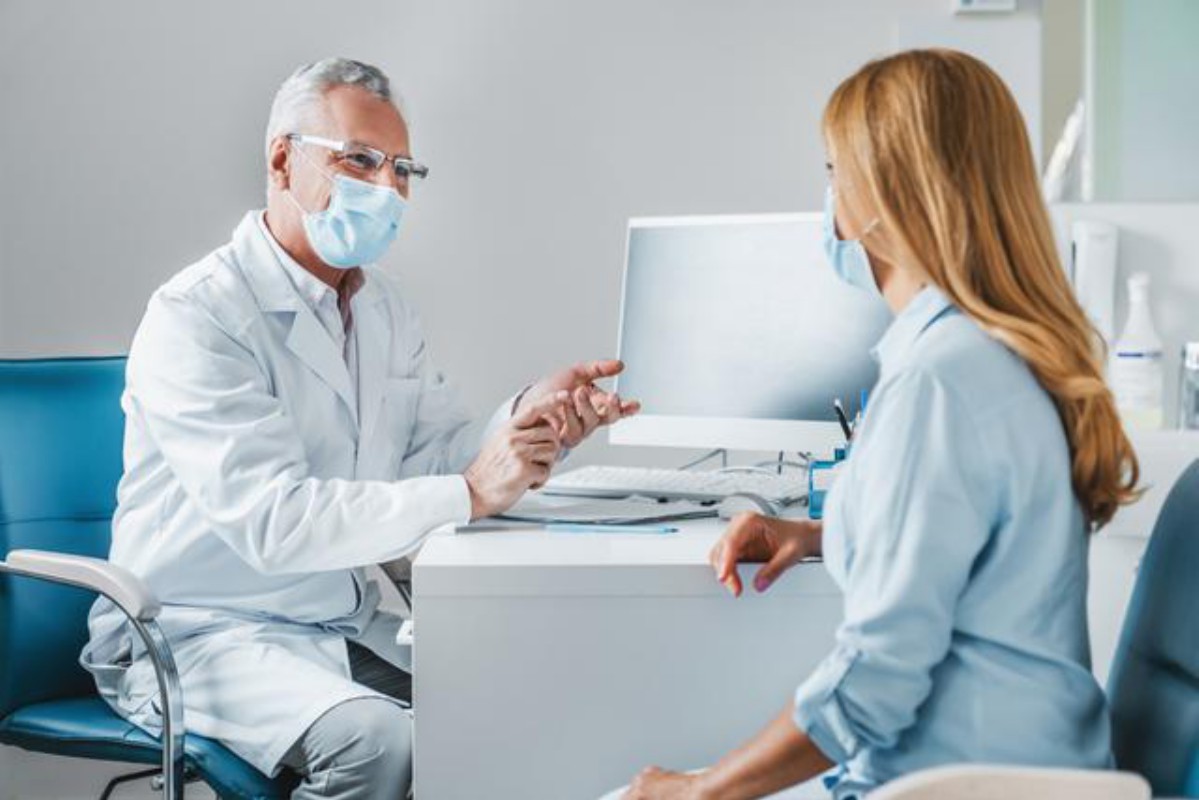
Everyone knows that Spain’s public healthcare system is a hallmark, offering broad coverage and solid security. However, its drawbacks are also apparent: long waiting times, sometimes several months for a specialist appointment. This has created a huge opportunity for private healthcare to grow. Nowadays, more and more people around me, both locals and fellow expats, are purchasing private health insurance. Private healthcare groups like Quirónsalud, HM Hospitales, and Vithas are expanding rapidly. They not only offer better facilities and more efficient service but also invest heavily in advanced surgeries and specialized treatments, attracting many patients.
Biotechnology and Pharmaceuticals: The “Hidden Champions”
Many people might not know that Spain is actually a key player in Europe’s biotechnology and pharmaceutical sectors. While not as famous as Germany or Switzerland, companies like Grifols and Almirall are giants in the industry. The government has also been strongly supporting this sector in recent years, leading to the formation of biotech industry clusters, particularly in Barcelona and Madrid. These companies not only create numerous high-paying jobs but also give Spain a significant position in global medical R&D. By the way, I used to think pharmaceutical companies were very secretive, but they actually hold open days and recruitment events frequently. If you’re interested, it’s worth keeping an eye out.
Digital Transformation: The Future of Healthcare
The pandemic served as a major catalyst for the digitalization of Spanish healthcare. Telemedicine is now becoming increasingly common. Many private insurance apps offer 24/7 online doctor services, allowing minor health issues to be resolved via video calls, saving the trouble of a trip to the hospital. Furthermore, the widespread adoption of electronic health records (EHR) has made consultations across different regions and hospitals more convenient. Although the public system’s digitalization is progressing more slowly, it is striving to catch up. I personally feel that in the coming years, new technologies like AI-assisted diagnostics and wearable health devices will become increasingly integrated into our daily lives.
Below is a simple comparison between the public and private healthcare systems to give you a clearer picture:
| Feature | Public Healthcare System | Private Healthcare System |
|---|
| Cost | Free at the point of use | Requires private insurance or out-of-pocket payment |
| Appointment Speed | Slower, long waiting times for specialists | Fast, specialist appointments usually available within days |
| Choice of Hospitals | Assigned to a local health center and designated hospitals | Freedom to choose hospitals and doctors within the insurance network |
| Service Experience | Standardized, experience can be average when resources are strained | Personalized, with generally better facilities and service |
| Coverage | Comprehensive, covering nearly all conditions | Some advanced or special treatments in places like a [Spanish medical industrial park] might not be included |
Spain’s healthcare industry is undergoing a phase of diversified development. While the public system remains the foundation, the rise of private healthcare, biotechnology, and digital health is making the entire ecosystem more layered and competitive. For those of us living here, understanding these changes in [Spanish healthcare] can help us make better use of medical resources, and learning more about [Spanish healthcare] is key. Do you have any experience with buying private insurance? Or have you tried telemedicine? Feel free to share your thoughts and experiences in the discussion below!
