When I first came to Spain, I always thought being a doctor or nurse was a job for life. They’re always in demand, so how could they possibly face unemployment? But after chatting with friends recently, it seems things have changed. I’ve heard that medical centers in several places, like Madrid and Andalusia, are laying people off. Even my neighbor’s friend, a nurse at a clinic, is starting to worry about her contract. It all sounds pretty surreal, so I wanted to discuss with everyone what’s really going on.
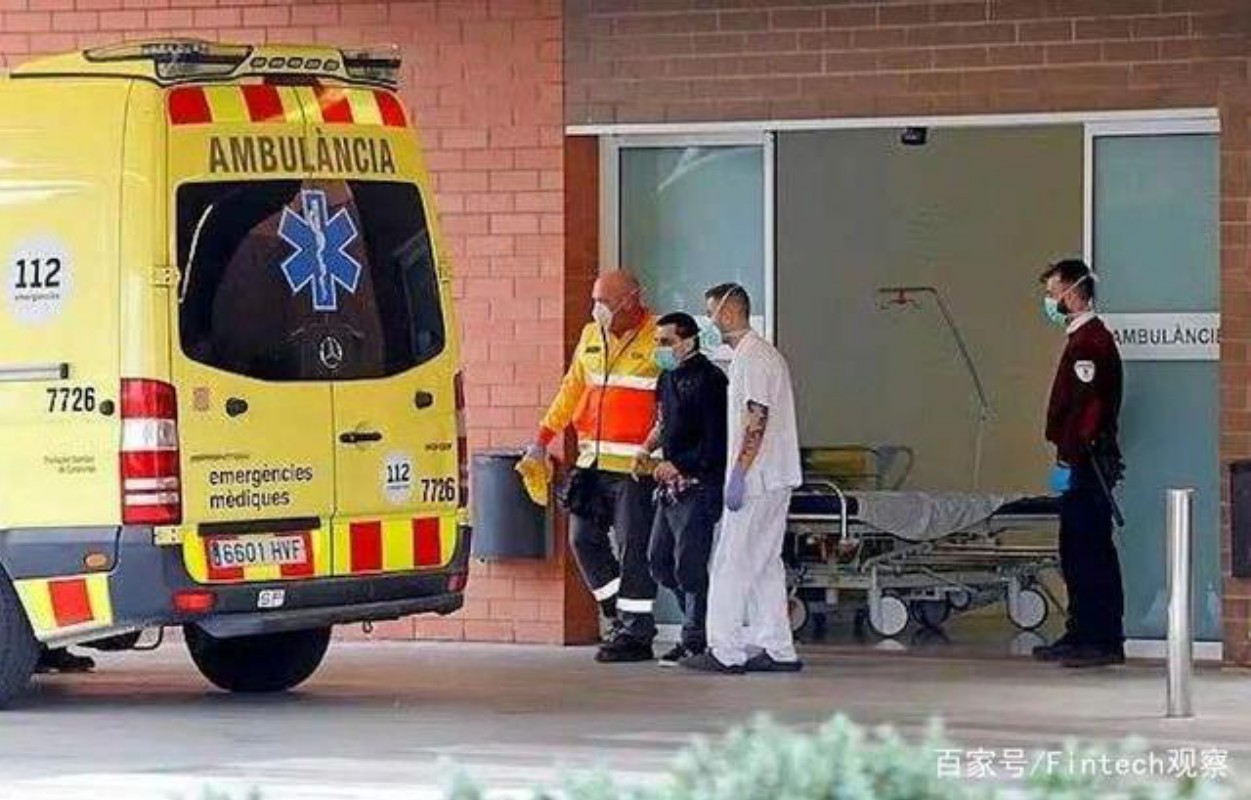
I’ve given it some thought and looked up some news, and it seems the reasons are quite complex and can’t be explained in a sentence or two. The main reason, it all comes down to money. During the pandemic, to handle the emergency, regional governments hired a massive number of healthcare workers, signing many temporary contracts. Now that the peak of the pandemic is over and the special ‘COVID-19 response funds’ have been mostly spent, governments are facing financial pressure. They can no longer afford to keep so many people on the payroll, so they’re essentially casting aside those who have served their purpose. It’s heartbreaking to think that many heroes who fought on the front lines are now the first to be laid off.
Key Factors Behind the Layoffs
Besides financial issues and layoff compensation, there are a few other points worth our attention:
1. The ‘Inherent Flaw’ of the Contract Model
The Spanish public healthcare system’s heavy reliance on temporary contracts is a long-standing issue in healthcare in Spain. Positions are often tied to specific projects; once the project ends or the budget is cut, contracts are simply not renewed. Legally, this isn’t even considered a ‘dismissal’ but a ‘natural termination of contract.’ This unstable employment model leaves many young doctors and nurses feeling insecure and leads to a brain drain. Many talented healthcare professionals opt for private hospitals or even move to other EU countries where the pay and job security are much better.
2. The Tug-of-War Between Politics and Budgets
Healthcare spending is always a major part of the government budget and a focal point of attacks between political parties. In every election, one party might promise to increase healthcare funding, while another might advocate for cutting spending to lower taxes. This political tug-of-war results in a lack of long-term stability in healthcare policy. One year, a certain party is in power in a region and goes on a hiring spree; a few years later, a different party might take over, and the system, including [Spanish medical education], has to tighten its belt and implement layoffs. And we, the ordinary people seeking medical care, are the ones who suffer the consequences.
Here is a simple table I put together after reading the news, summarizing some of the changes in healthcare contracts before and after the pandemic:
| Time Period | Healthcare System Contract Type | Key Features |
|---|
| Pre-pandemic | High percentage of temporary contracts | High staff turnover, many complaints |
| During the pandemic | Massive number of emergency temporary contracts | Rapidly supplementing workforce to handle the crisis |
| Post-pandemic | Many contracts not renewed upon expiration | Wave of layoffs emerges, returning to pre-pandemic state |
It feels like a cyclical problem. The public system has a finite capacity; when the economy is good, more people are hired, and when it’s bad, some have to be let go. I just never expected this to affect doctors and nurses. I wonder if anyone around you has encountered a similar situation? Or do you have other thoughts on this matter? Let’s hear what you think!
