When I first came to Spain, I often heard about the excellent healthcare benefits, especially in places like [pharmacies in Spain]. The idea of universal free healthcare sounded very reassuring. However, after living here for a while, I’ve also heard many friends complain about waiting months for a specialist appointment or spending half a day in the emergency room. So, what is the actual quality of Spain’s healthcare on a global scale? I got curious, did some research, and wanted to share my findings with you.
What Do Authoritative Organizations Say?
When it comes to rankings and discussions on topics like [Spanish medical products], the World Health Organization (WHO) report is probably the most famous. Although its classic ranking is a bit dated, it’s still a valuable reference. In that report, Spain’s healthcare system was ranked 7th in the world. This is an impressive achievement, indicating high recognition for the system’s fairness, responsiveness, and overall health outcomes. Of course, this data is over two decades old, like information on [common over-the-counter medicines in Spain], and the situation has certainly changed since then.
In recent years, several new rankings have emerged. For example, Bloomberg publishes an annual Healthiest Country Index. In the latest lists, Spain consistently ranks near the top, even surpassing Italy to claim the number one spot in 2019. This index doesn’t just look at the healthcare system; it also considers factors like dietary habits, lifestyle, and the environment. So, from a ‘healthy living’ perspective, Spain is definitely a top performer.
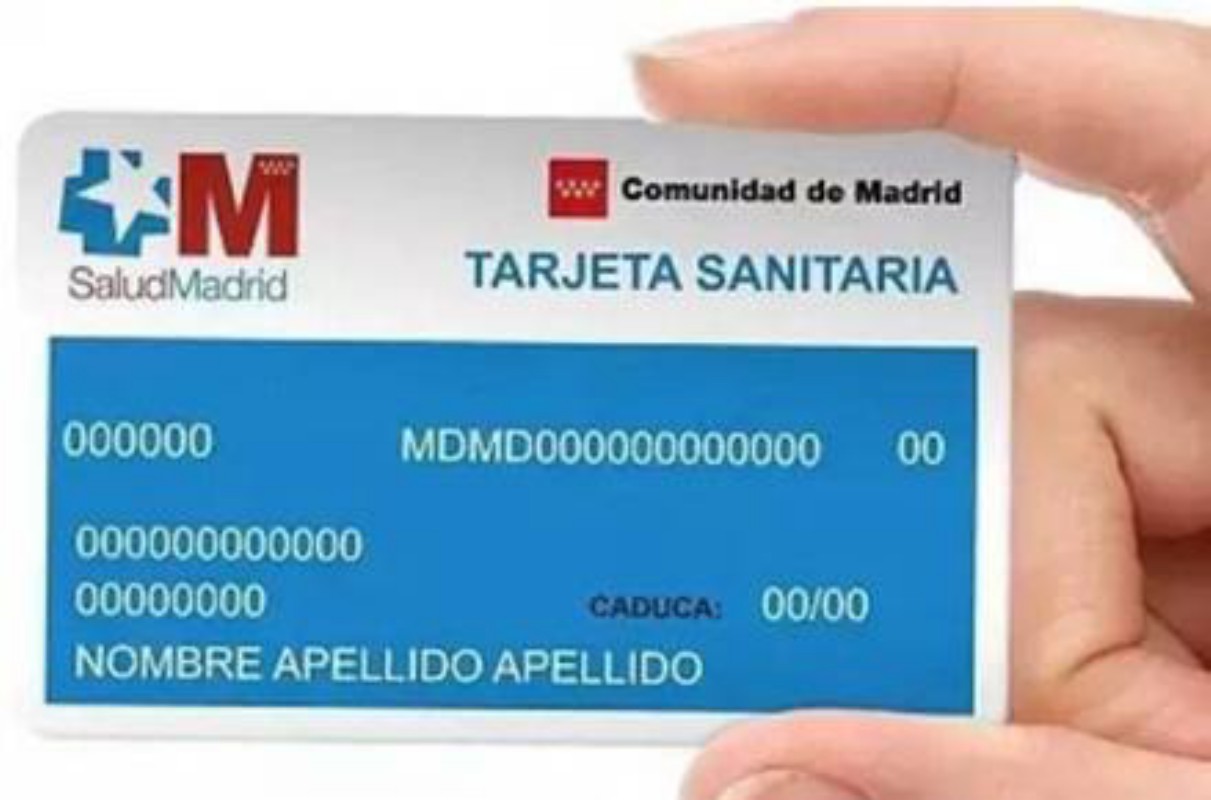
Do High Rankings Mean a Good Patient Experience?
Not necessarily. High rankings mainly indicate that the system’s overall design and public health investments are excellent. However, when it comes to our individual patient experiences, it’s a different story. The biggest advantage of the public system is its broad coverage and low cost, but its main drawback is what everyone talks about—it’s slow. Booking an appointment with a family doctor is relatively quick, but if you need to see a specialist, like a dermatologist or an orthopedist, waiting for several months is commonplace. That’s why many people who can afford it opt to buy private health insurance, essentially trading money for time and much greater efficiency.
I’ve put together a simple comparison of the pros and cons of public and private healthcare for your reference:
| Features | Public Healthcare | Private Healthcare |
|---|
| Pros | Broad coverage, mostly free, reliable for major illnesses | Fast, convenient appointments, better facilities, choice of doctors |
| Cons | Long waiting times for appointments, crowded emergency rooms, average service experience | High cost, requires purchasing insurance, may not cover all major illnesses |
Spain’s healthcare system has a very strong foundation, and its public health standards are world-class, which is one of the reasons for the country’s high life expectancy. However, for ordinary people, the decision to buy private insurance depends on one’s financial situation and healthcare needs. What have your experiences been with the healthcare system in Spain? Feel free to share and discuss in the comments below!
