When I first arrived in Spain, all I heard was how amazing the “universal free healthcare” was, which seemed a bit unbelievable at the time. After living here for a few years and experiencing everything from a simple cold to needing more complex tests, I’ve gotten a fairly comprehensive feel for the Spanish healthcare system. Today, I want to share my perspective as an ordinary expat on what Spanish healthcare is really like.
Public Healthcare: A Love-Hate Relationship
The biggest advantage is that it’s truly “almost” free. As long as you have legal residency and social security, you can get a health card (Tarjeta Sanitaria), and appointments, tests, hospital stays, and even most surgeries are free of charge. You only pay a small fraction of the cost for prescriptions. The first time I saw my family doctor, I just showed my health card and didn’t pay a single cent. It felt incredible.
However, the downside is also very obvious—it’s “slow”. Booking an appointment with a family doctor usually means a wait of several days. If you need a specialist, like a dermatologist or ophthalmologist, waiting several months or even half a year is standard. A friend of mine with a knee issue waited a full five months from seeing their GP to finally getting an appointment with a specialist. For non-urgent conditions that impact your quality of life—illnesses that are more serious than what you’d see Spanish pharmacies for—this waiting process can be truly agonizing.
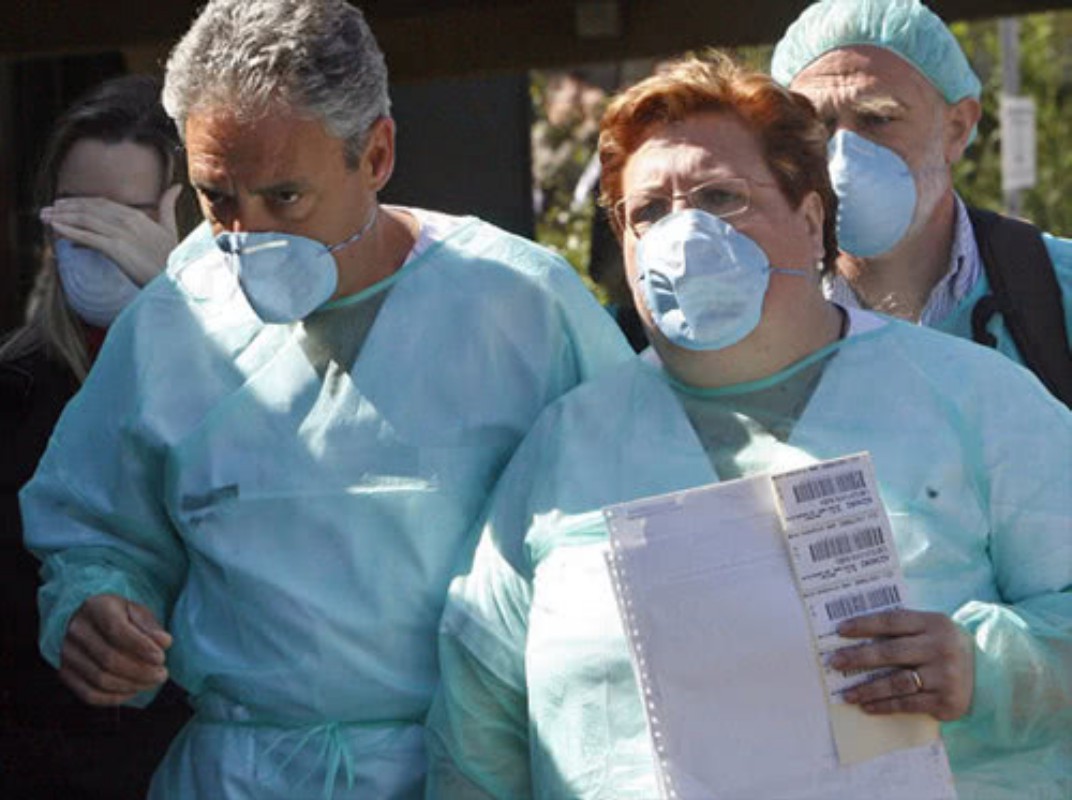
Private Healthcare: A Synonym for Efficiency
It’s precisely because of the “slowness” of the public system that many expats and locals choose to purchase Spanish health insurance as a supplement. The main advantages of private healthcare are “speed” and “great service.” You can bypass the family doctor and directly book an appointment with any specialist you need, usually within a week. The process for tests and surgeries is also much faster. The environment and service are more like a hotel, offering more of the compassionate care you want when seeing a doctor in Spain.
Of course, all of this is built on money. Depending on your age, health status, and coverage, monthly private insurance premiums can range from tens to hundreds of euros. For those who prioritize efficiency or have specific medical needs, this investment is completely worthwhile. Personally, I hold both a public health card and private insurance. I use private for convenience with minor issues, and for major illnesses or emergencies, the public system acts as a safety net, giving me great peace of mind.
| Healthcare Type | Pros | Cons |
|---|
| Public Healthcare | Broad coverage, extremely low cost | Long waiting times, cumbersome booking process |
| Private Healthcare | Fast, good service, can choose your doctor | Higher cost, requires purchasing insurance |
Spain’s healthcare system doesn’t have an absolute good or bad; it’s more about trade-offs. If you don’t mind waiting, public healthcare provides a very reliable safety net. But if you value efficiency and a better patient experience, having the right private insurance plan is an absolute essential for life in Spain. How do you all make your choice? Feel free to leave a comment and join the discussion below!
