When I first came to Spain, what impressed me the most was the public healthcare system. While I sometimes grumble about the long wait for appointments, most of the time, whether it’s for an emergency or a routine check-up, I rarely have to pay anything out of pocket, which provides great peace of mind. I recently came across some data on Spain’s healthcare spending and wanted to share it with you all and see what your thoughts are on the topic.
How Much of its GDP Does Spain Spend on Healthcare?
According to the data I’ve found, Spain’s investment in healthcare consistently hovers around 10% of its GDP. This figure is in the upper-middle range among EU countries. For comparison, countries like Germany and France have higher ratios, typically over 12%, while some Eastern European countries may have lower ones. So, it’s fair to say Spain is doing a commendable job, especially considering it has maintained this level even after the economic crisis of previous years, which shows the government places a high value on public health.
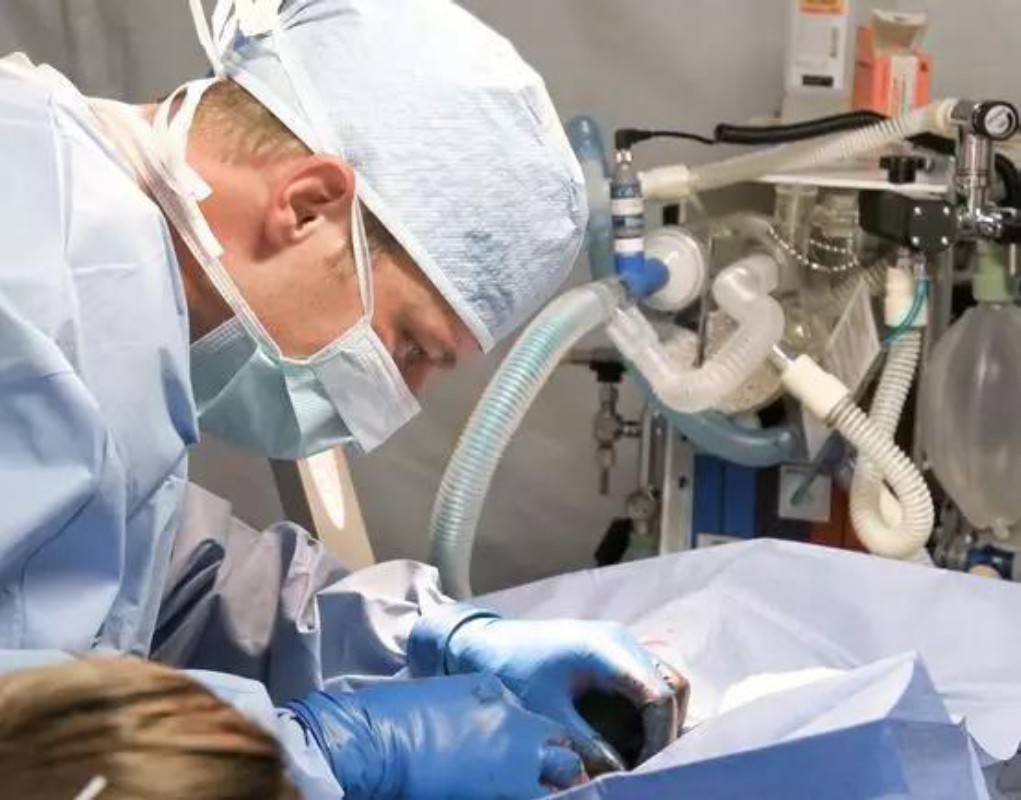
So, Where Does the Money Go?
So, where exactly does such a large sum of money go? I’ve put together a general breakdown of [Spanish medical costs] to give you a clearer picture:
| Spending Category | Approx. Percentage | Description |
|---|
| Hospital Services | ~ 55-60% | This is the largest expense, covering hospitalization, surgery, emergency services, specialist consultations, etc. It includes hospital operating costs, salaries for medical staff, and equipment procurement and maintenance. |
| Pharmaceuticals | ~ 15-20% | This refers to prescription drugs dispensed at pharmacies. Although we pay only a small portion, the government subsidies are substantial. |
| Primary Care | ~ 15% | This includes the family doctors we often visit for routine check-ups, health consultations, chronic disease management, etc. |
| Other Public Health Services | ~ 5-10% | For example, vaccination programs, disease prevention campaigns, and public health research. |
As the table shows, the vast majority of funds are invested in services we can directly access, especially hospital care. This also explains why Spain’s medical equipment and specialist doctors are consistently top-notch. However, the relatively lower percentage allocated to primary care might be one of the reasons why resources for family doctors sometimes feel stretched and appointment wait times can be long, a point often discussed regarding [Spain’s healthcare budget].
Spain’s public healthcare system is a welfare system built on significant investment. As residents, we enjoy this convenience and security, which is backed by massive financial support from society, a key part of Spain’s healthcare budget. Of course, the system isn’t perfect; there are drawbacks like long waiting times and the fact that some non-essential services require out-of-pocket payments. But overall, the value for money is truly excellent. What have your experiences been like at the hospital or with your family doctor? Feel free to share and discuss in the comments below!
