When I first came to Spain, my biggest worry was what to do if I got sick. Now, after a few years and visits to both public and private hospitals, I’ve learned a thing or two. Today, I’d like to share my personal take on Spain’s healthcare environment. These are just my experiences, and I’d love to hear yours too.
The Public Healthcare System
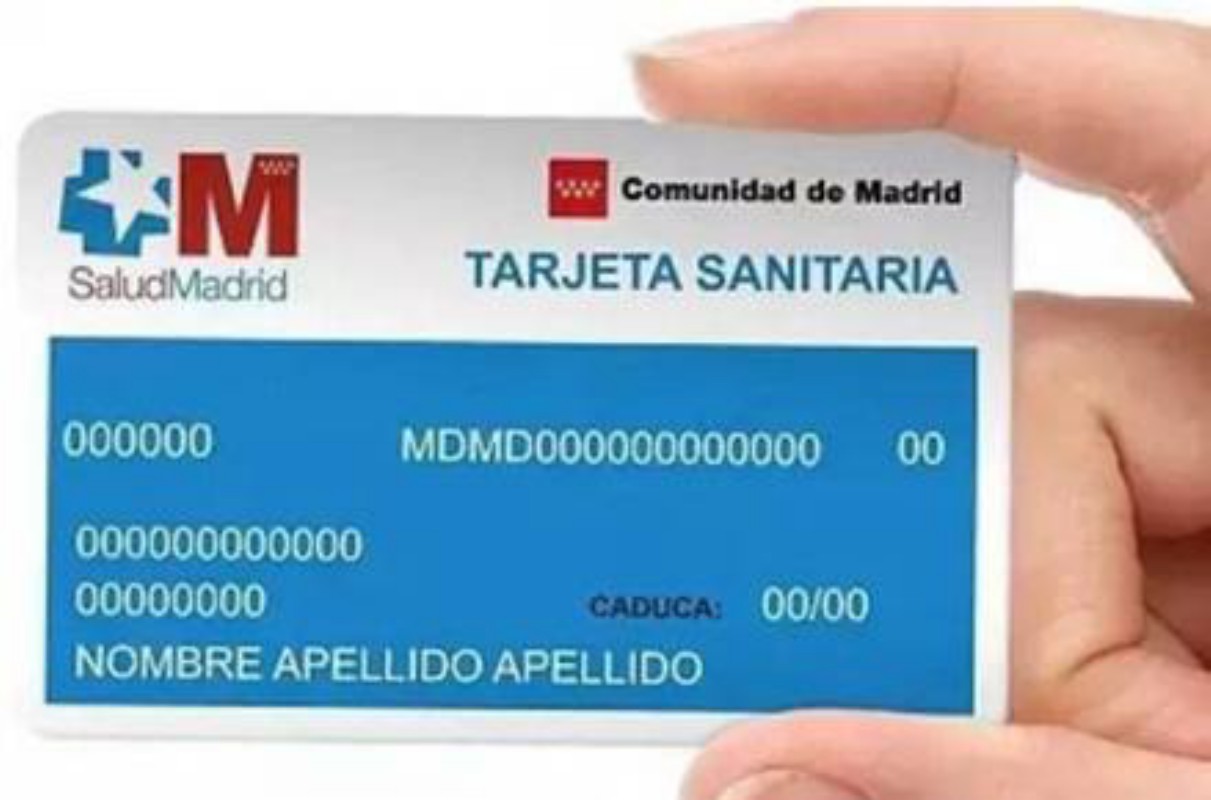
Anyone with legal residency who contributes to social security can get a health card and access free public healthcare. The biggest advantage of this system is that it’s FREE
! From seeing your family doctor (GP)
and going to the emergency room to getting tests, surgery, or being hospitalized, and even for most prescriptions, you basically pay nothing. I once went to the ER for an allergic reaction, and from the examination to the prescription, I didn’t spend a cent. It was very reassuring.
However, the downside is just as significant: the wait. Booking an appointment with your GP is usually fine; you can typically get one within a few days. But if your GP refers you to a specialist, that’s when the real waiting game begins. It’s common to wait several months for a dermatology or endocrinology appointment. I’ve even heard that for some non-urgent surgeries, the wait for [Spanish healthcare] can be over a year. That’s why people often joke that with public [Spanish healthcare], you tough out minor illnesses on your own and rely on luck for serious ones. That said, acute conditions and emergencies are handled quickly, so there’s no need to worry on that front.
The Private Healthcare System
Private healthcare perfectly complements the public system. If you buy private health insurance, you can access private medical services. The biggest advantage is speed—it’s incredibly fast! You can usually book a specialist appointment within a week, and there’s almost no waiting for tests like ultrasounds or CT scans. The hospital environments are generally nicer than in public facilities, and the service feels more ‘customer-oriented,’ with doctors and nurses being very friendly. I had Adeslas insurance, and once, when I had stomach issues, I was able to see a gastroenterologist the same day and had an endoscopy the next. The efficiency was impressive.
There’s no such thing as a free lunch. The cost of private healthcare is your monthly insurance premium. Depending on your age and the level of coverage, this can range from a few dozen to over a hundred euros a month. Additionally, some plans have a ‘Copago’ (co-payment), meaning you have to pay a small fee of a few to a dozen euros for each consultation or test. When buying insurance, it’s crucial to read the terms carefully to see if it covers hospitalization and surgery, and whether a co-payment applies.
| Feature | Public Healthcare | Private Healthcare |
|---|
| Cost | Mostly free | Requires private insurance; monthly premium + possible co-payments |
| Efficiency | Long waiting times, especially for specialists | High efficiency, fast appointments and tests |
| Coverage | Comprehensive, with no major restrictions | Depends on the specific insurance plan; some conditions may not be covered |
| Service | Standard, can be crowded and noisy | Good service, comfortable environment, more privacy |
Overall, Spain’s healthcare system is quite good. If you’re young and generally healthy with no chronic issues, the public system is perfectly adequate, and you’ll save on insurance premiums. However, if you value efficiency and a better patient experience, or if you have elderly family members or children who need frequent medical attention, supplementing with a private insurance plan offers great peace of mind. Regarding healthcare in Spain, many students and working professionals opt for a ‘public + private’ dual approach: using private insurance for minor issues to get quick service, while relying on the public system as a safety net for major illnesses. What’s your preferred choice?
