I’m new to the forum and have noticed that while there are many discussions about life and travel, there isn’t much on in-depth professional choices, especially concerning medical fields. Since my background is related to this, I thought I’d start a thread to talk about what it’s like to study healthcare and research in Spain, offering some guidance for prospective students.
Why Study Medicine in Spain?
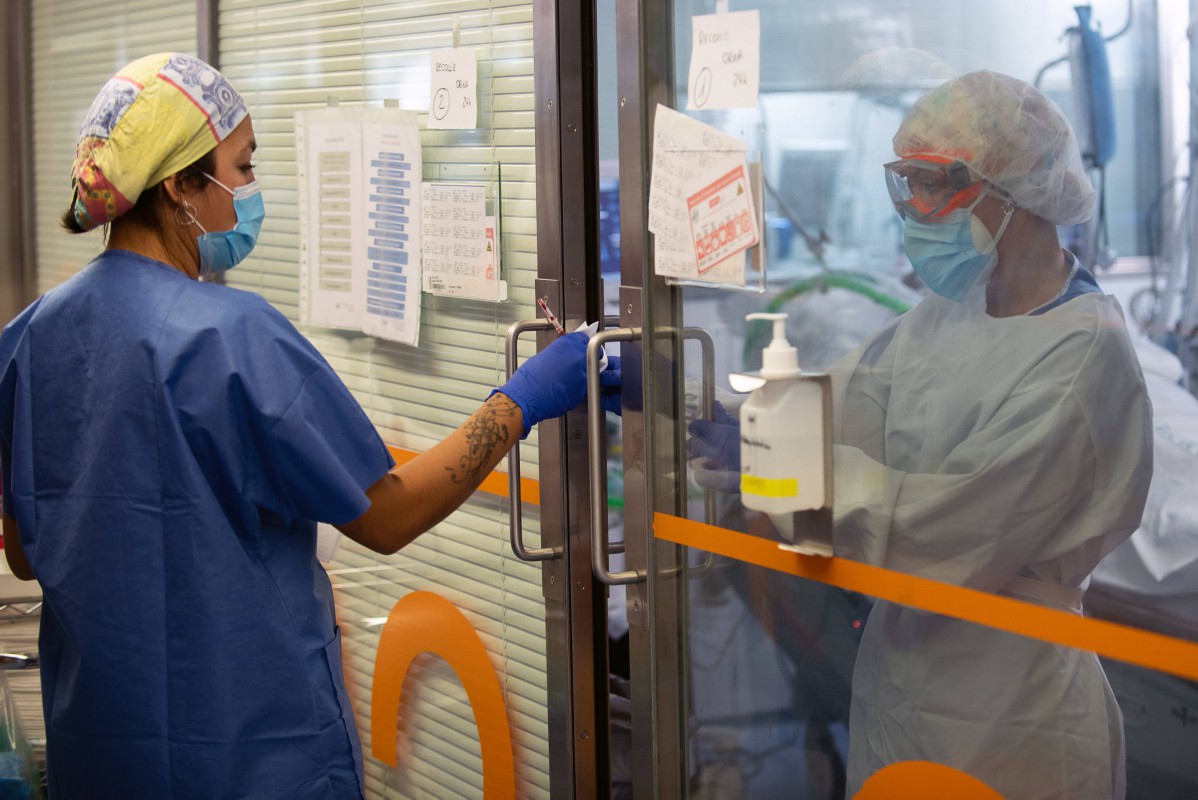
To be honest, choosing to study medicine in Spain is by no means an easy path; in fact, it’s highly competitive. However, the appeal is also clear: First, Spain’s public healthcare system is ranked among the best in the world, offering abundant, high-quality clinical practice opportunities. Second, many universities, such as the University of Barcelona and the Autonomous University of Madrid, have long-established medical schools with strong academic reputations and research capabilities. Most importantly, the tuition and living costs are much more affordable compared to the UK or the US, offering great value for money.
Application Paths and Difficulty
For students aiming to enroll directly in an undergraduate program, the biggest challenge is their score from the national college entrance exam. Medicine, dentistry, and veterinary science have traditionally had the highest university entrance scores in Spain, with extremely demanding requirements. International students need to have their home country’s exam scores converted or take the Spanish university entrance exam for foreigners through the UNEDasiss pathway, which is quite challenging.
For those who already hold a bachelor’s degree and want to pursue a master’s or PhD, the options are more flexible. Fields like biomedical research, public health, clinical psychology, and physical therapy are excellent choices. Master’s applications are mainly assessed on the relevance of your undergraduate background, GPA, language proficiency, and any research experience. For PhD applications, the focus is more on your research proposal and finding a suitable supervisor.
Top Universities and Their Strengths
Here is a brief list of some well-known universities in the health sciences field and their areas of strength for your reference:
| University | Areas of Strength |
|---|
| University of Barcelona | Medicine, Pharmacy, Biomedicine |
| Autonomous University of Madrid | Medicine, Nursing, Molecular Biology |
| University of Navarra | Medicine, Biomedical Research |
| Pompeu Fabra University | Biomedicine, Translational Medicine |
| University of Granada | Physical Therapy, Psychology, Nutrition |
Career Paths After Graduation
After completing an undergraduate medical degree, aspiring doctors in Spain must pass a national exam called the MIR, which is another fiercely competitive battle. Success in the MIR allows them to enter a hospital for several years of residency training before they can become a specialist. For master’s and PhD graduates in research-focused fields, career paths are more diverse, including positions at universities, research institutes, biotech companies, or major pharmaceutical firms. However, no matter which path you choose, fluency in Spanish is an absolute must. Without it, you’ll find it nearly impossible to advance in either clinical or research settings. I hope this information is helpful. I also welcome anyone familiar with the field to share more about Spanish healthcare and join the discussion to add their insights!
