When I first came to Spain, I always heard people praising the Spanish public healthcare system—universal, free, and worry-free. But in recent years, I’ve heard more and more complaints from people around me about how difficult it’s become to get medical care, and some have even encountered bizarre ‘medical scams’. Are these stories true? Today, I’m starting this thread to share my thoughts and experiences.
What Exactly Are These So-Called “Scams”?
Strictly speaking, direct money-grabbing schemes are rare within Spain’s public healthcare system itself. The “scams” we often hear about mostly occur in a few grey areas:
Overcharging by Private Medical Facilities
Many people buy private health insurance for convenience and speed. However, some unscrupulous private clinics, especially those targeting foreigners, might engage in over-testing and over-treatment, which can be a form of [Spanish medical scams]. For example, for a common cold, they might order a battery of expensive tests, leaving you with a shockingly high bill. This is particularly true if you have a language barrier and are unfamiliar with local medical procedures, making you an easy target for these [Spanish medical scams]. A friend of mine went to a dentist for a simple filling and was talked into a full set of expensive teeth whitening and orthodontic assessments, costing over a thousand euros.
Insurance Traps Targeting Students and New Immigrants
Many newly-arrived international students need to purchase health insurance to apply for their residency permits. Some unscrupulous agents or brokers will recommend super cheap “junk policies” with minimal coverage, which often don’t even meet the requirements for residency renewal. When you actually need to use the insurance, you find out that nothing is covered—it’s like you’ve just thrown your money away. That’s why it’s crucial to read the terms and conditions carefully when buying insurance, especially the clauses regarding co-pago (co-payment) and carencia (waiting period).
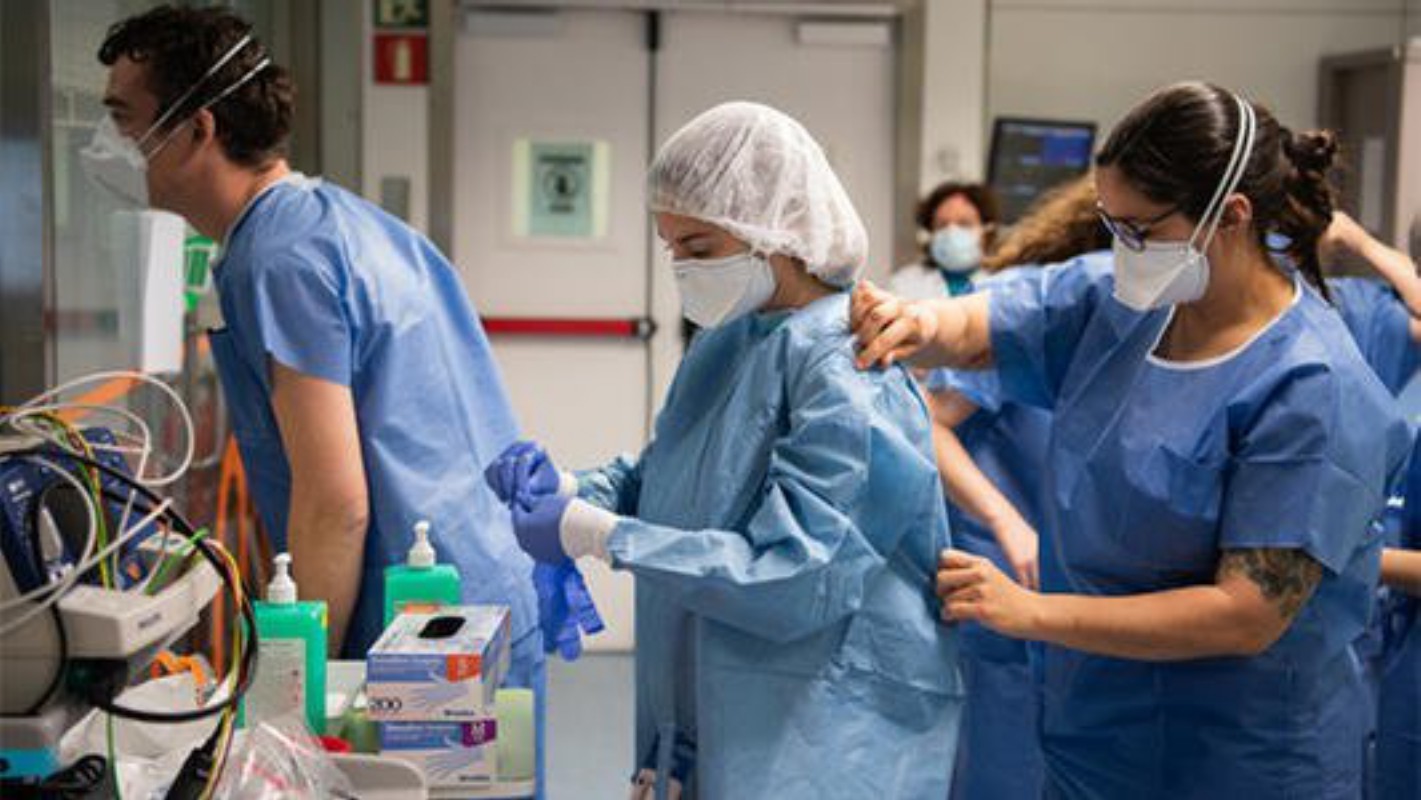
Key Points for Identifying Common Medical Scams
To help you avoid these traps, I’ve summarized a simple table for your reference:
| Scam Characteristic | How to Respond |
|---|
| Exaggerating the condition and recommending unnecessary, expensive treatments | Get a second opinion from another clinic |
| Basic or shabby clinic environment but charging high fees | Prioritize large, reputable private hospital chains |
| Pressuring you to pay on the spot without giving you time to think | Insist on receiving a detailed cost breakdown before making a decision, a crucial step in preventing [health insurance scams]. |
| Vague insurance policy terms, with an emphasis only on the low price | Request the full insurance contract and carefully read the coverage and exclusion clauses |
Spain’s healthcare system is fundamentally good, especially the public sector. Although it can be slow, it’s very reliable. The so-called “scams” are mostly due to information asymmetry and the commercial practices of some private institutions. As long as we are cautious—asking more questions, doing our research, and comparing options before seeking treatment—we can largely avoid getting ripped off. I hope everyone’s life in Spain is healthy and smooth! Feel free to share your own experiences and tips for avoiding scams in the comments below!
