When I first moved to Spain, I often heard that public healthcare was free but the waiting times were endless, which always made me a bit nervous. After living here for a few years and going through some minor and major health issues, I’ve finally gotten a real feel for these “queues.” Today, I want to share my experiences, and I welcome you to add yours in the comments.
# General Practitioner (GP): Speed Depends on Where You Live
This is the doctor everyone deals with most frequently. In my experience, booking a GP appointment really depends on your district and the specific health center (Centro de Salud). In some densely populated areas of central Madrid, you might have to wait a week or even longer to get an appointment through the app. However, in the neighborhood where I live now, I can usually get one within a day or two, and if I’m lucky, there’s an opening the same afternoon. So, for GPs, the waiting time isn’t too extreme; you can generally get it sorted within a week. If you’re really in a hurry, you can go to the reception desk directly and explain your situation. Sometimes they can squeeze you in, but it’s not guaranteed.
# Specialists: Patience is a Virtue
This is where the real “disaster zone” for waiting times begins. Once you get a referral from your GP, you enter a long queue. For specialists like dermatologists, ophthalmologists, or endocrinologists, waiting three to five months is common. I once had to see a dermatologist for an allergy issue, and it took almost four months from getting the referral to actually seeing the doctor. A friend of mine waited over half a year to see a traumatologist. So, for [medical queues], if it’s not a pressing issue, you just have to be Zen and wait. Of course, this also depends on the urgency of your condition; the medical waiting times are much shorter if a doctor deems your case urgent.
# Emergency Room (Urgencias): Only Useful for Real Emergencies
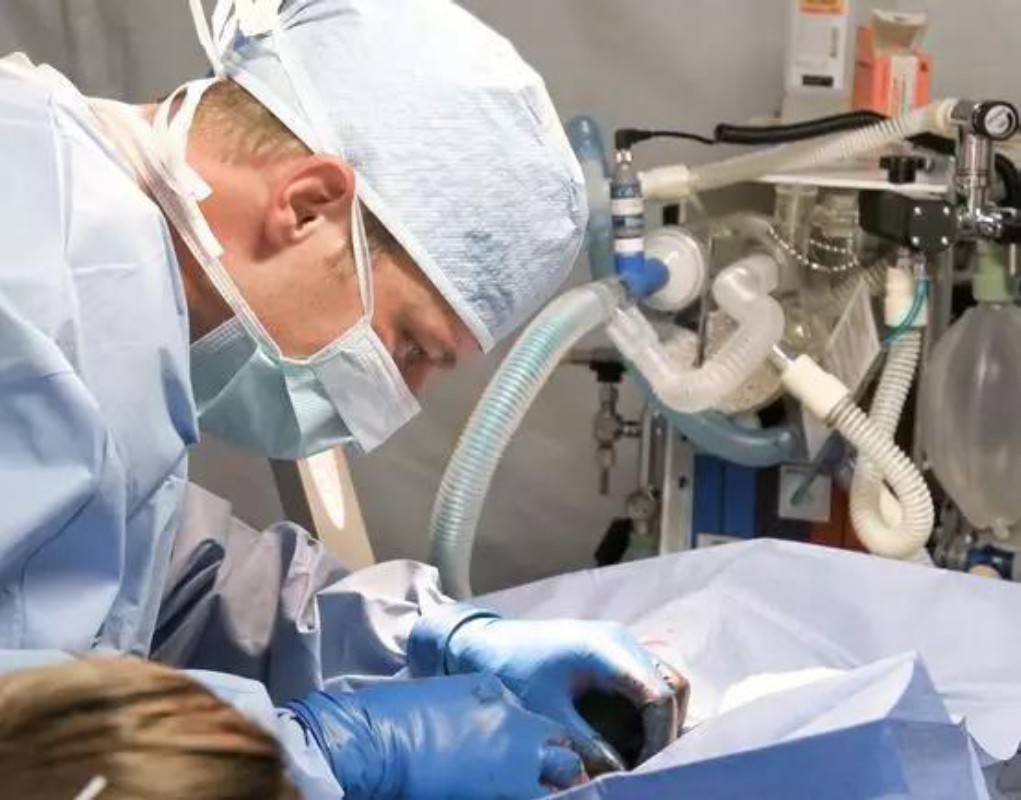
Speaking of emergency rooms, many people have the misconception that you’ll be seen immediately upon arrival. That’s not the case. The A&E has its own triage system. A nurse will assess you based on your blood pressure, heart rate, and symptoms, and assign you a priority level, often color-coded from red to blue. If you’re just dealing with a common cold or fever, it’s very likely you’ll be sitting in the waiting area for several hours. When I took my child to the ER for a high fever that wouldn’t break, we waited about an hour and a half to see a doctor. So, when it comes to [medical queues] in the ER, unless it’s a true “emergency,” the experience at Urgencias might be worse than just booking an appointment with your GP.
# Summary and a Few Tips
Spain’s public healthcare system is reasonably efficient for handling common minor illnesses and life-threatening emergencies, but the waiting times for non-urgent specialist treatments are indeed very long. This has led to the flourishing of private health insurance. Here’s a simple comparison I’ve put together for reference:
| Medical Service | Estimated Public Healthcare Wait Time | Estimated Private Healthcare Wait Time |
|---|
| General Practitioner | 2 days - 1 week | Same day - 2 days |
| Specialist | 3 months - 1 year+ | 1 week - 2 weeks |
| Routine Tests | 1 month - 6 months | Within a few days |
| Emergency Triage | 1 hour - 5+ hours | 15 minutes - 1 hour |
Finally, while the queues are a reality, there’s no need to be overly anxious. Familiarize yourself with your local health center’s procedures and learn to use official apps like Salud Madrid for appointments. Being prepared will help you handle situations calmly when they arise. What have your waiting experiences been like in Spain’s healthcare system? Share them in the comments below!
